 4.9 (370 Reviews)

Texas Shrubs & Tree Health Care Experts
Caring For Texas Shrubs & Trees Since 1990 Get A Free QuoteCall (817) 880-6130Tree & Shrub Pest Treatment in Crisp, TX
Targeted Tree & Shrub Pest Control in Crisp
Arborist USA provides tree & shrub pest treatment in Crisp, TX. Call (817) 880-6130 for a free quote from a certified arborist.
Talk to an ISA Certified Arborist about your trees in Crisp.
Free assessments from Arborist USA — led by Henry Friar, ISA Certified Arborist TX-270627A.
Tree and shrub pest treatment starts with identifying the insect and how much damage it is causing, then using the most targeted option — trunk injection, soil application, or a precise spray — so the tree recovers without harming beneficial insects.
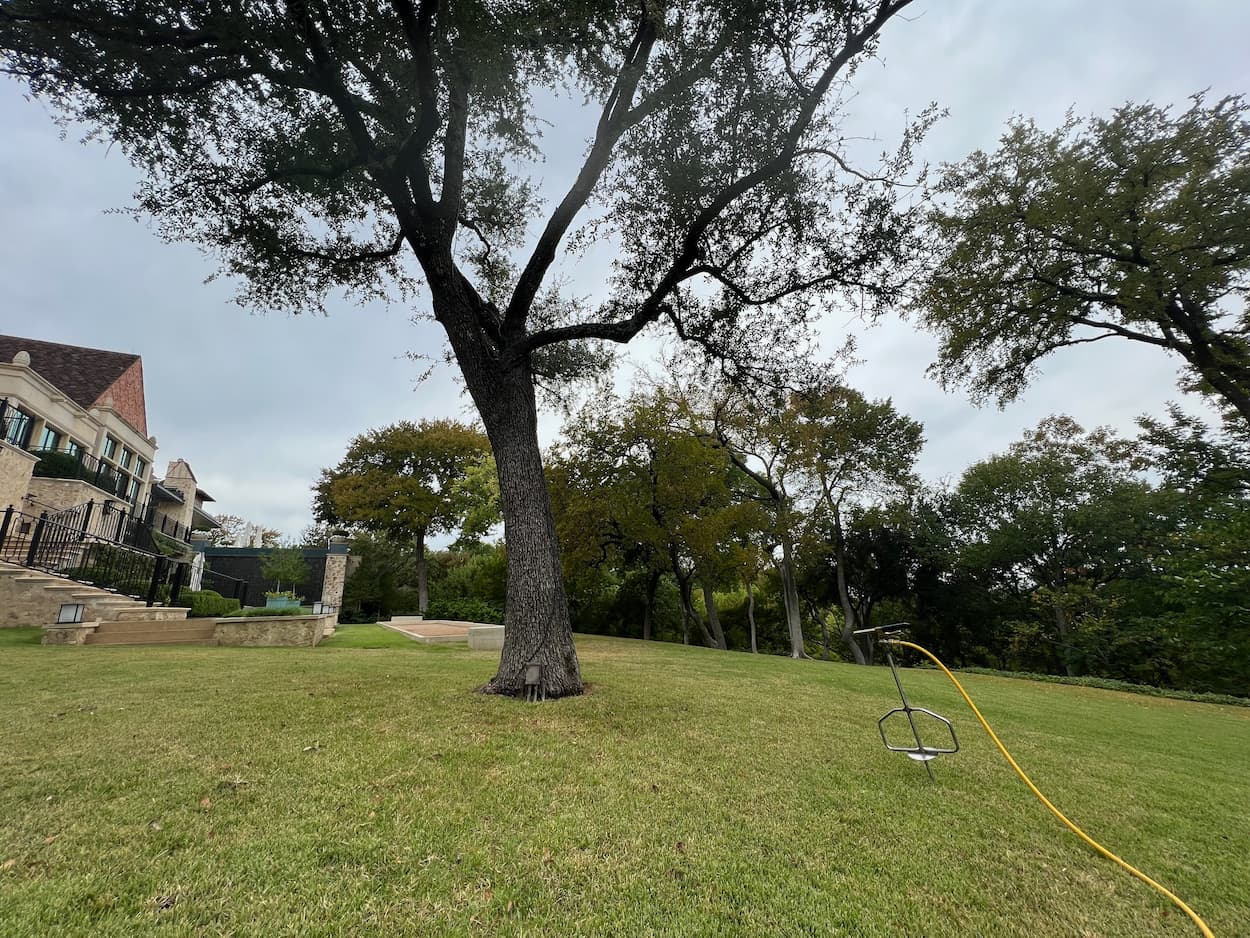
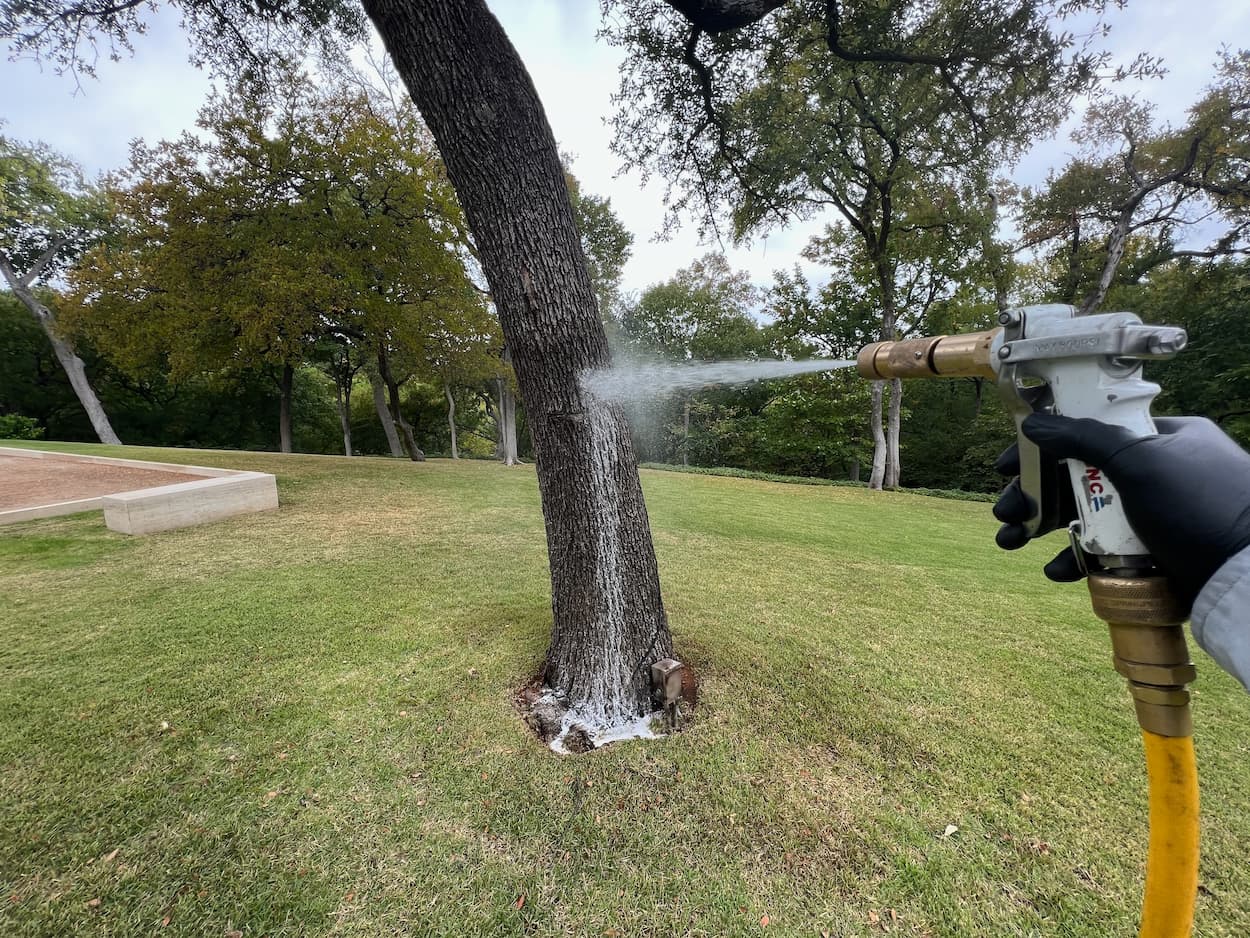
If you are in need of Tree & Shrub Pest Treatment Services in Crisp, TX, please get in touch with Arborist USA today by calling us at (817) 880-6130, your Tree & Shrub Disease Specialist.
Tree & Shrub Pest Treatment in Crisp, TX: What Homeowners Should Know
Tree & Shrub Pest Treatment in Crisp, TX — the short answer: Tree and shrub pest treatment starts with identifying the insect and how much damage it is causing, then using the most targeted option — trunk injection, soil application, or a precise spray — so the tree recovers without harming beneficial insects. Our ISA Certified Arborists work in Crisp and across Ellis County; call (817) 880-6130 to schedule a free on-site assessment.
About Crisp, Texas
Crisp is a Ellis County community.
In Crisp, insects such as bagworms, webworms, scale and lace bugs move easily between neighboring trees and shrubs. We see the most pest pressure on cedar elm, live oak, Shumard red oak, bur oak and pecan here, especially on trees already stressed by heat and drought.
Tree and soil conditions in Crisp and Ellis County
Soil shapes tree health in Crisp: much of the area is Blackland Prairie clay — deep, dark soils that shrink and crack in drought and stay waterlogged after heavy rain. We regularly work on cedar elm, live oak, Shumard red oak, bur oak and pecan in local neighborhoods. That is why we start every visit by checking the soil and root zone, not just the canopy.
Common tree problems we see around Crisp
- Soil compaction and poor drainage in heavy clay
- Cotton root rot, which thrives in alkaline clay soils
- Iron chlorosis (yellow leaves) on oaks, pin oaks and maples
- Drought cracking that tears fine roots in summer
Signs of tree and shrub pests in Crisp
- Bagworm or webworm bags in the canopy
- Sticky honeydew, sooty mold or scale on twigs
- Small exit holes, sawdust or bark cracks that point to borers
- Leaves that are stippled, curled or thinning early in the season
How our tree & shrub pest treatment process works
- We identify the pest and confirm it is the real cause of decline.
- We check the tree’s overall vigor, because stressed trees attract more insects.
- Treatment is matched to the pest and timed to its life cycle.
- We follow up to confirm control and recommend steps that keep trees resistant.
Why Crisp homeowners choose Arborist USA
We are a family-owned Fort Worth company led by Henry Friar, ISA Certified Arborist TX-270627A. Arborist USA is TCIA Member #268065 and holds Texas Department of Agriculture (TDA) License No. 1008483. We focus on diagnosing the real cause of a tree problem and treating it to industry standards — not just cutting. Learn more about our tree pest control or our certified arborists in Fort Worth.
Tree & Shrub Pest Treatment FAQ for Crisp, TX
What tree pests are common in Crisp?
In North Texas we regularly treat bagworms, webworms, scale insects, aphids, lace bugs, spider mites and wood-boring beetles such as the two-lined chestnut borer.
Is tree injection safe for kids and pets?
Trunk injections place treatment inside the tree’s vascular system, so there is little to no drift or residue on the lawn.
When is the best time to treat tree pests?
It depends on the insect. Many are treated in spring as they become active, while borers are often managed preventively before peak egg-laying.
Tree & Shrub Pest Treatment Near Crisp
We also provide tree & shrub pest treatment in nearby communities: Rankin, Pecan Hill, Ovilla, Oak Leaf, Ike, Alma.
Other tree services in Crisp
Ready to protect your trees in Crisp? Call (817) 880-6130 or request a free assessment.
Signs of a Sick Tree or Sick Shrub
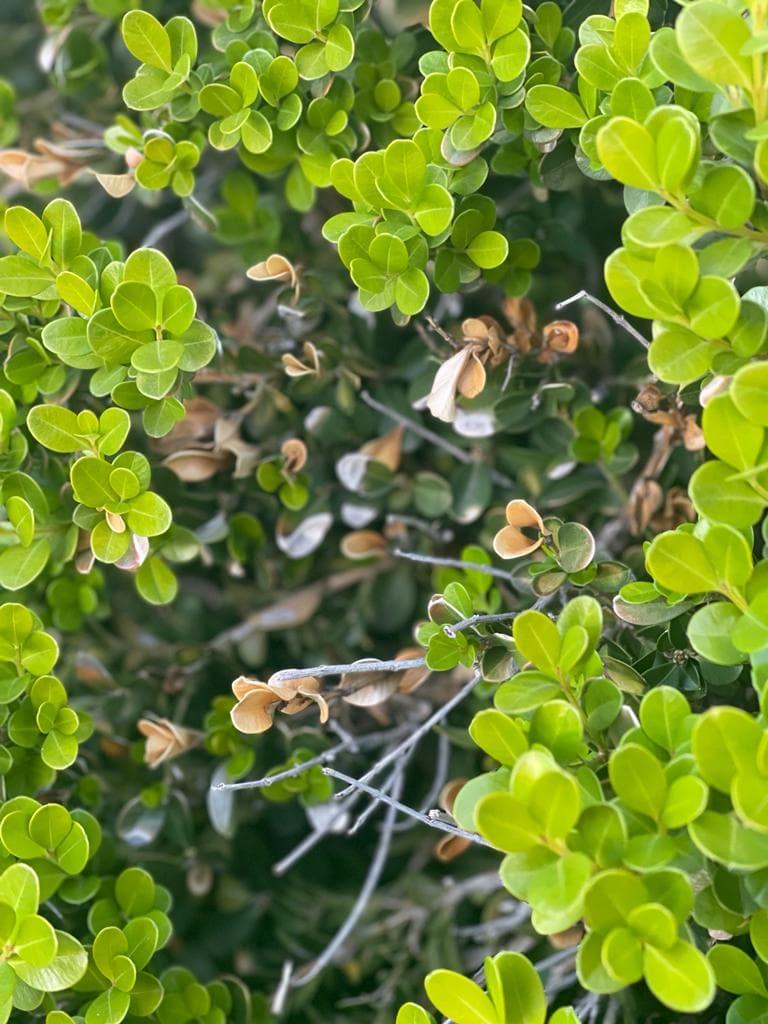
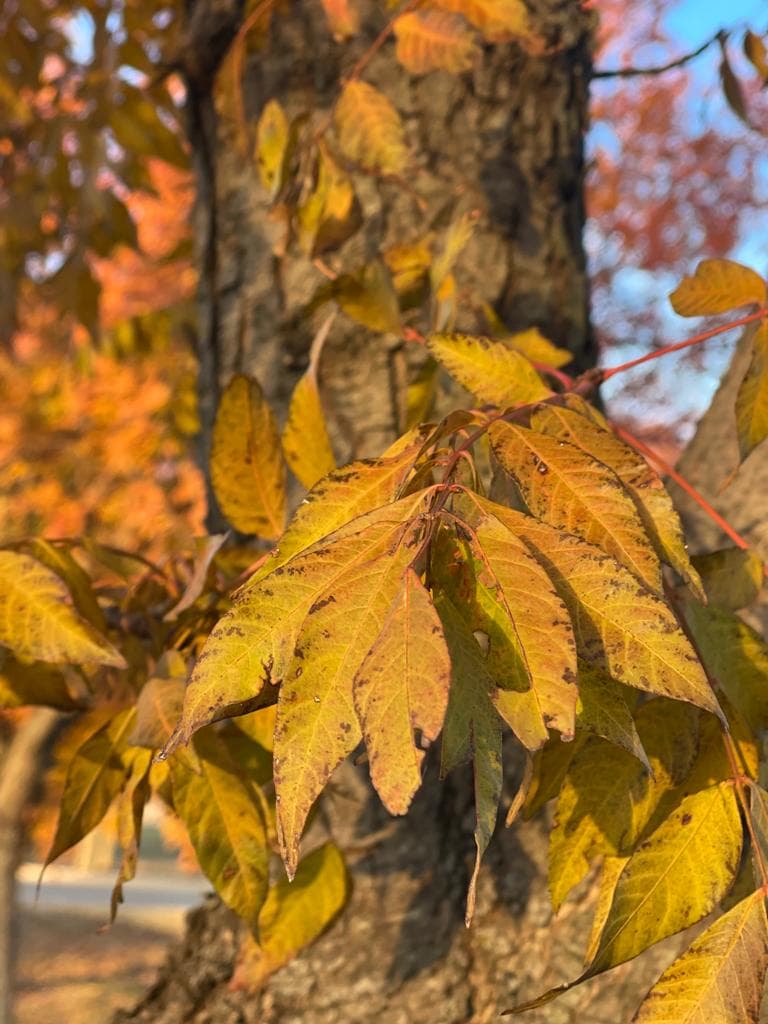
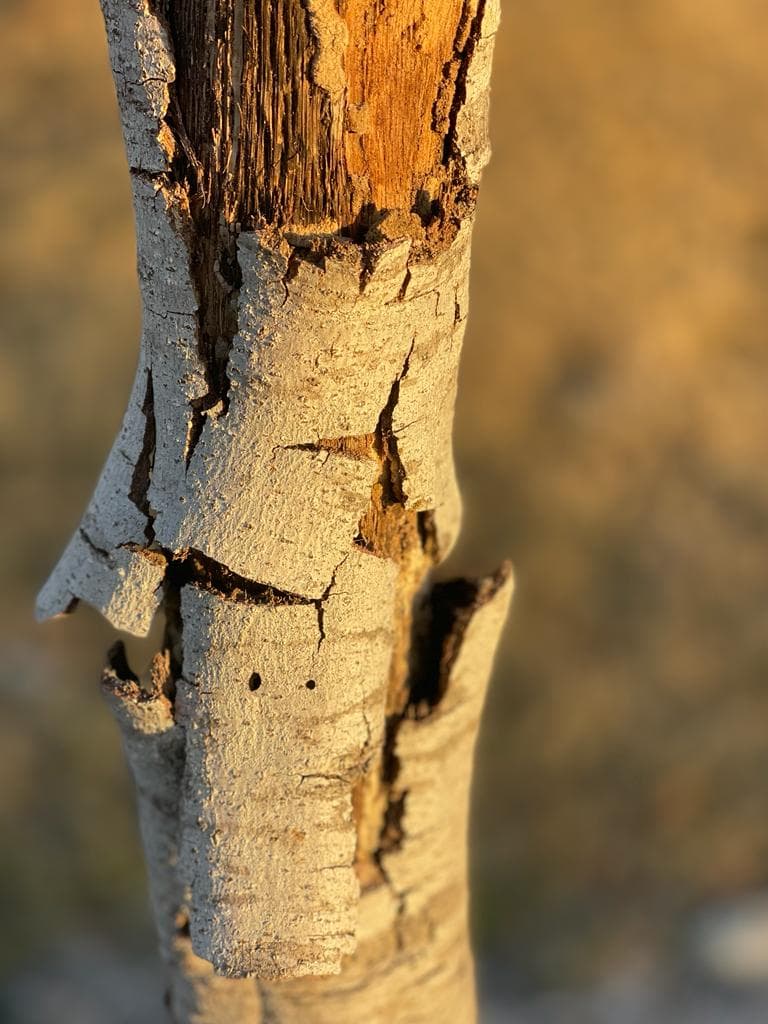
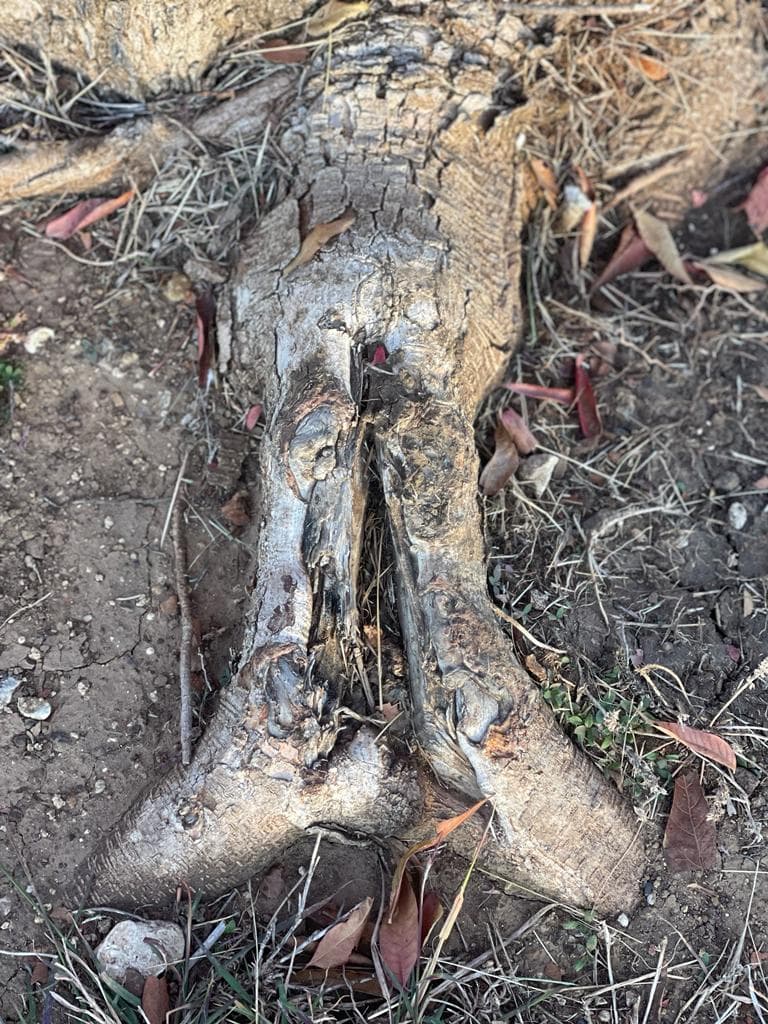
- Dead Branches
- Yellowing Leaves
- Fungi or Decay
- Bark Falling Off
- Discolored or Rusted Leaves
- Dying Tree or Shrub
- Leaf Discoloration
- Root or Insect Damage
- Leaves look like they’re being eaten
- Bark is Peeling
- Holes in leaves
- Holes on Bark or Branches
- Stunted Growth
- Canopy Dieback
- Bark Abnormalities
- Wilting
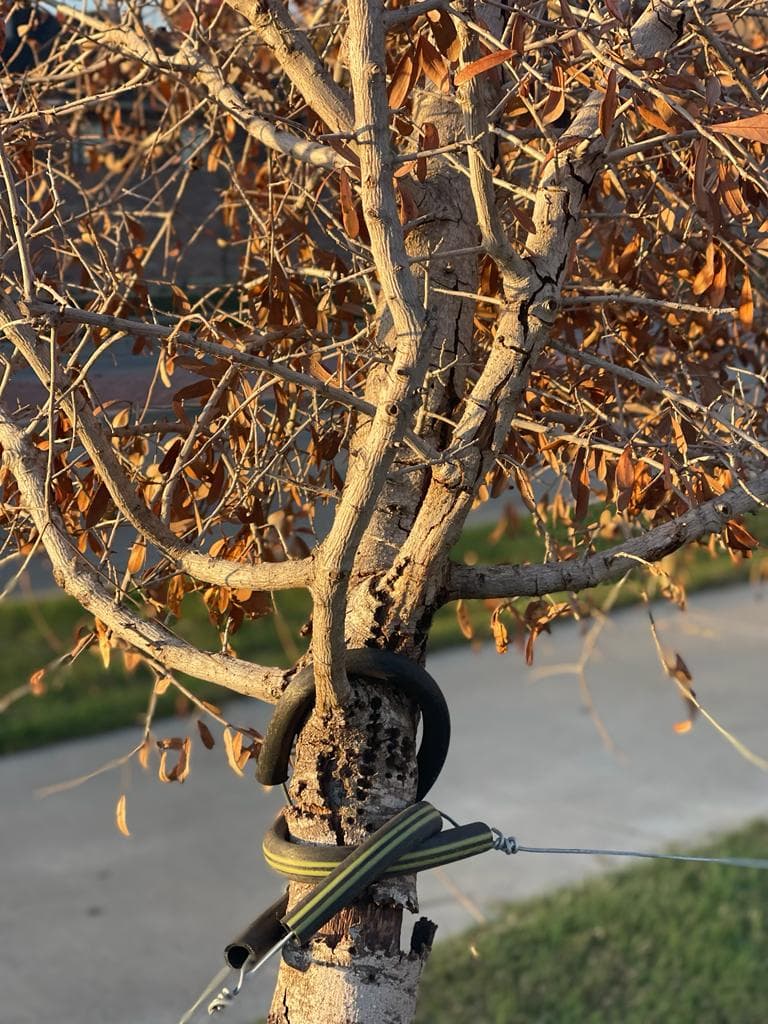
Tree & Shrub Helpful Tips
1. Swift Pest Identification:
In Crisp, various pests like aphids, beetles, or borers typically infest trees and shrubs. Early detection aids in implementing swift measures, preventing further spread of pests, and limiting their damage.
2. Spotting Infestation Signs:
Signs of infestation, such as changes in leaf color, abnormal growth patterns, premature leaf drop-off, or bark anomalies, should trigger immediate steps to control and treat the issue.
3. Immediate Pest Treatment:
Upon discovering an infestation, it is crucial to respond promptly. Quick intervention helps to contain the infestation, mitigate damage, and maintain the lush greenery that Crisp is famous for.
4. Expert Assistance:
The role of professional arborists or tree care specialists cannot be underestimated in effective pest management. Their knowledge and insight can result in accurate pest identification and appropriate treatment strategies, ensuring tree and shrub health.
5. Choosing Treatment Methods:
Depending on the type and extent of pest infestation, different treatment options can be chosen. These could range from biological and chemical treatments to physical methods like strategic pruning.
6. Consistent Plant Care:
Regular plant care routines, like proper watering, appropriate fertilization, and timely pruning can bolster plant resistance against pests and significantly reduce chances of infestation.
7. Employing Integrated Pest Management (IPM):
Implementation of IPM strategies presents a holistic, eco-friendly solution for pest control, integrating regular monitoring, early detection, and the deployment of different pest treatment methods.
8. Preserving Ecosystem Balance:
Any pest control initiatives should also consider the preservation of the broader ecosystem. This includes mindful protection of beneficial insects and local wildlife that aids in maintaining the ecological balance in Crisp.
9. Community Participation:
The involvement of Crisp’s residents has a pivotal role in controlling pests. By reporting pest sightings promptly, supporting local biodiversity efforts, and following recommended plant care, community participation can significantly enhance pest management endeavors.
10. Education and Awareness Driving:
Promoting awareness about the different types of pests, signs of infestation, preventive actions, and various treatments can empower the community to contribute actively to maintaining the health of Crisp’s trees and shrubs.
If you’re concerned or have any further questions about our Tree & Shrub Pest Treatment Services in Crisp, TX, or surrounding areas in North Texas, please call us at (817) 880-6130.
Tree & Shrub Pests
Listed below are common Tree & Shrub Pests found in Texas.
Aphids
A white soft body insect that creates a sticky "honey dew" structure on limbs or leaves, blocking nutrients.
Bagworms
Bagworms lay eggs that create small cone-shaped structures less than three inches in length.
Beetles
An invasive wood borer that is subject in all wood tissue that causes severe decline in trees health.
Gypsy Moth
A larva that boars into leaf structure that cause lesser of a foliation and decline in overall leaf structure.
Oak Gall
A growth deformity known as a "gall" commonly occur on oak trees subject to branches and other structures.
Termites
Termites, wood-destroying insect, eats away at all wood tissue, damaging the structures of the trees.
Twig Girdlers
Being a member of the long-horned beetle family, these girdlers are known to eat leaf and other tree areas.
Webworms
These caterpillars spin white webbing bag nests in tree branches and eat your tree foliage (leaves).
Certifications


Our Reviews

A+ BBB Rating based on 31 BBB Reviews
4.8/5.0 based on 83 Top Rated Local Reviews
4.6/5.0 based on 36 Facebook Reviews
4.0/5.0 based on 4 Trust Pilot Reviews

4.9/5.0 based on 90 Google Reviews
4.5/5.0 based on 13 Yelp Reviews
29 Recommendations on Nextdoor
Total Reviews: 286  Real Customer Reviews