 4.9 (370 Reviews)

Texas Shrubs & Tree Health Care Experts
Caring For Texas Shrubs & Trees Since 1990 Get A Free QuoteCall (817) 880-6130Tree & Shrub Pest Treatment in Fate, TX
Targeted Tree & Shrub Pest Control in Fate
Arborist USA provides Tree & Shrub Pest Treatment Services in Fate, Texas, and the surrounding areas. In Fate, Texas, the tranquil scenes of thriving trees and flourishing shrubs encourage a serene and scenic lifestyle for residents. However, pest infestations present a significant challenge to the local flora’s health, demanding carefully planned and eco-friendly tree and shrub pest treatments.Talk to an ISA Certified Arborist about your trees in Fate.
Free assessments from Arborist USA — led by Henry Friar, ISA Certified Arborist TX-270627A.
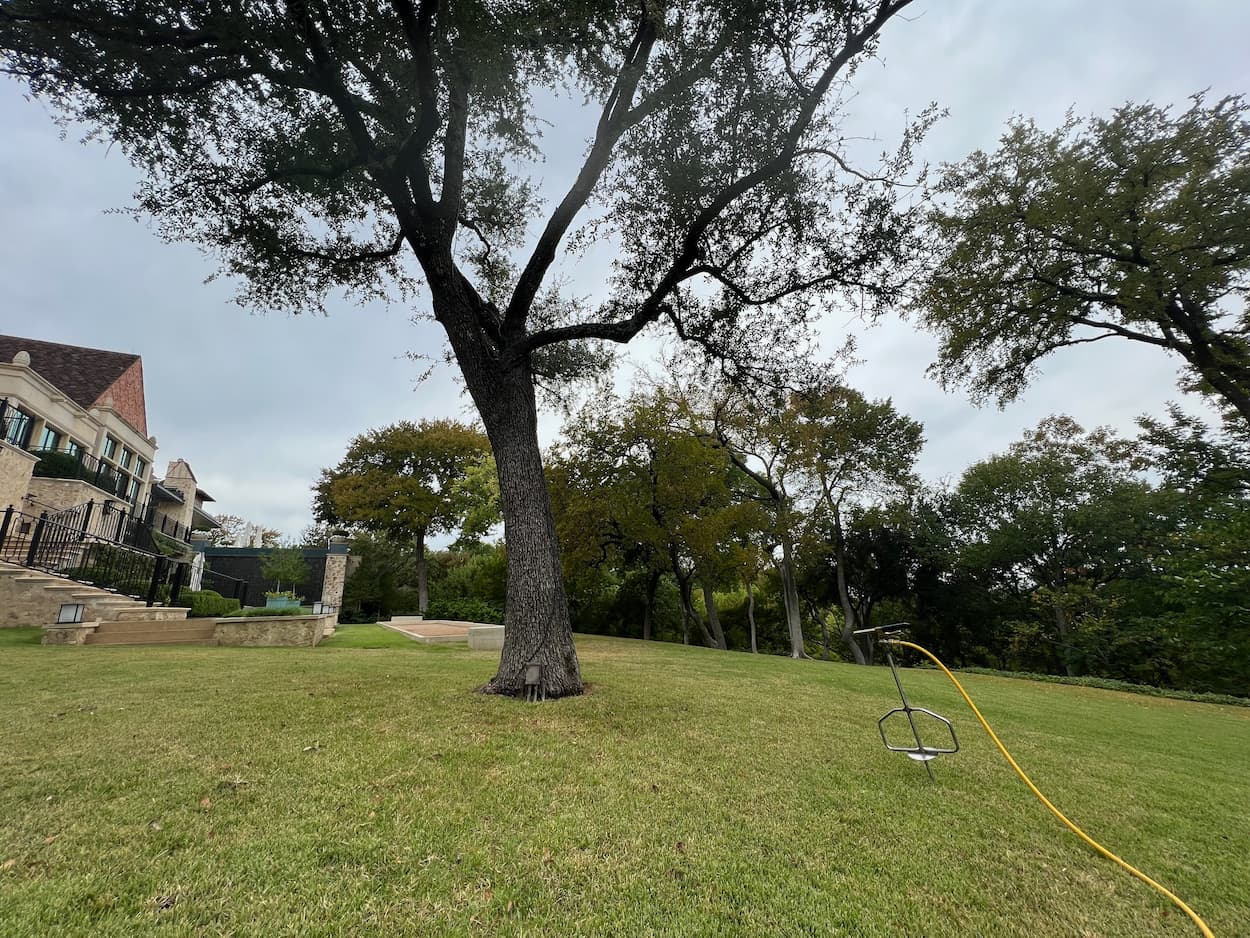
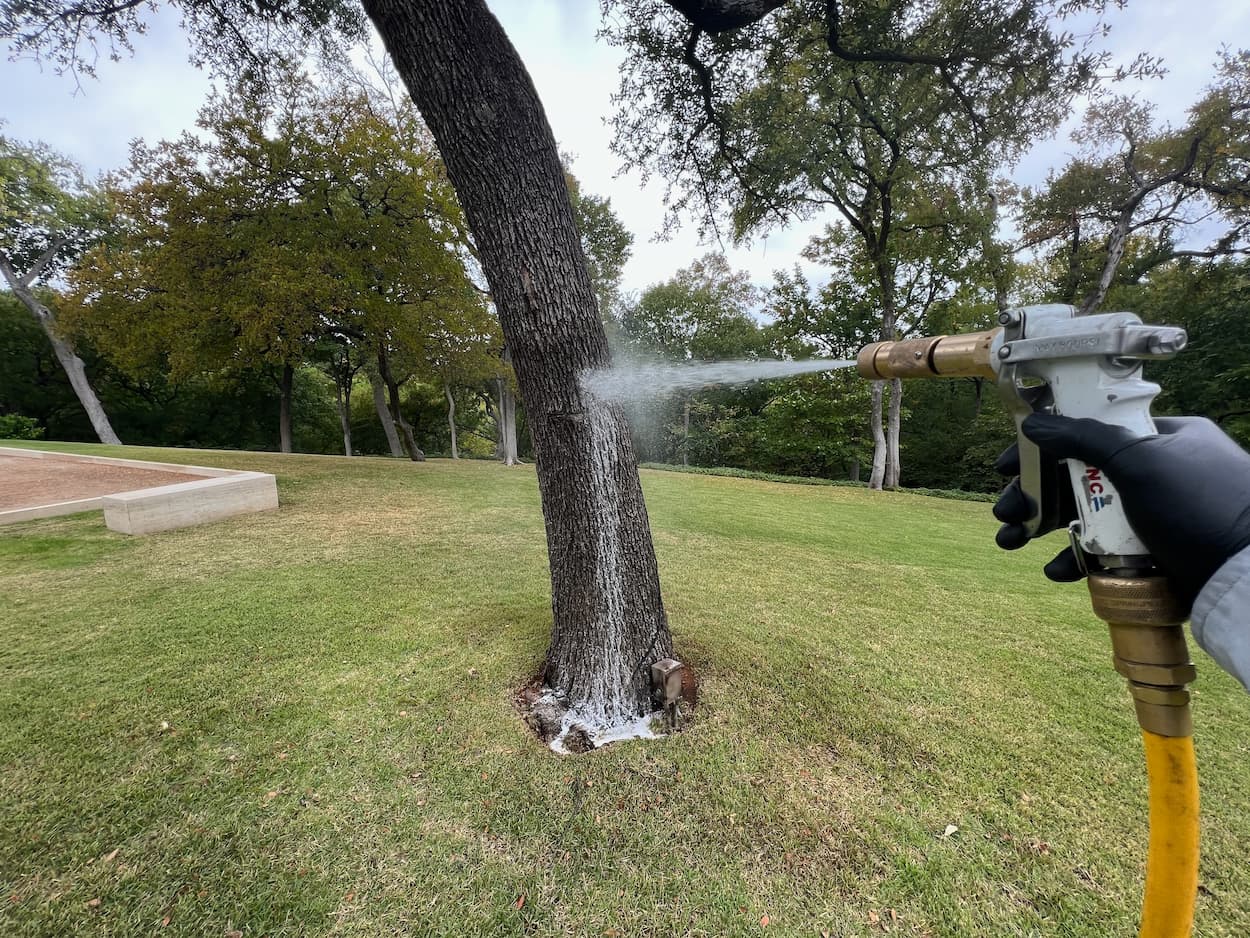
If you are in need of Tree & Shrub Pest Treatment Services in Fate, TX, please get in touch with Arborist USA today by calling us at (817) 880-6130, your Tree & Shrub Disease Specialist.
Tree & Shrub Pest Treatment in Fate, TX: What Homeowners Should Know
Looking for tree and shrub pest control in Fate, TX? Tree and shrub pest treatment starts with identifying the insect and how much damage it is causing, then using the most targeted option — trunk injection, soil application, or a precise spray — so the tree recovers without harming beneficial insects. Arborist USA’s ISA Certified Arborists serve Fate, about 57 miles east of Fort Worth, and the rest of Rockwall County. Call (817) 880-6130 for a free assessment.
About Fate, Texas
Fate is a smaller city of about 17,958 residents (2020 figure) in Rockwall County, covering roughly 9.8 square miles. It sits about 587 feet above sea level.
With about 1,832 residents per square mile, Fate’s yards and landscapes sit close together, so bagworms, webworms, scale and lace bugs move easily from one property to the next. We see the most pest pressure on cedar elm, live oak, Shumard red oak and pecan here, especially on trees already stressed by heat and drought.
We serve homes and businesses throughout Fate, including ZIP code 75132.
Tree and soil conditions in Fate and Rockwall County
Soil shapes tree health in Fate: much of the area is Blackland Prairie clay — deep, dark soils that shrink and crack in drought and stay waterlogged after heavy rain. We regularly work on cedar elm, live oak, Shumard red oak, bur oak and pecan in local neighborhoods. That is why we start every visit by checking the soil and root zone, not just the canopy.
Common tree problems we see around Fate
- Soil compaction and poor drainage in heavy clay
- Cotton root rot, which thrives in alkaline clay soils
- Iron chlorosis (yellow leaves) on oaks, pin oaks and maples
- Drought cracking that tears fine roots in summer
Signs of tree and shrub pests in Fate
- Bagworm or webworm bags in the canopy
- Sticky honeydew, sooty mold or scale on twigs
- Small exit holes, sawdust or bark cracks that point to borers
- Leaves that are stippled, curled or thinning early in the season
How our tree & shrub pest treatment process works
- We identify the pest and confirm it is the real cause of decline.
- We check the tree’s overall vigor, because stressed trees attract more insects.
- Treatment is matched to the pest and timed to its life cycle.
- We follow up to confirm control and recommend steps that keep trees resistant.
Why Fate homeowners choose Arborist USA
We are a family-owned Fort Worth company led by Henry Friar, ISA Certified Arborist TX-270627A. Arborist USA is TCIA Member #268065 and holds Texas Department of Agriculture (TDA) License No. 1008483. We focus on diagnosing the real cause of a tree problem and treating it to industry standards — not just cutting. Learn more about our tree pest control or our certified arborists in Fort Worth.
Tree & Shrub Pest Treatment FAQ for Fate, TX
What tree pests are common in Fate?
In North Texas we regularly treat bagworms, webworms, scale insects, aphids, lace bugs, spider mites and wood-boring beetles such as the two-lined chestnut borer.
Is tree injection safe for kids and pets?
Trunk injections place treatment inside the tree’s vascular system, so there is little to no drift or residue on the lawn.
When is the best time to treat tree pests?
It depends on the insect. Many are treated in spring as they become active, while borers are often managed preventively before peak egg-laying.
Tree & Shrub Pest Treatment Near Fate
We also provide tree & shrub pest treatment in nearby communities: Lavon, Nevada, Josephine, Wylie, Rowlett, Sachse.
Other tree services in Fate
Ready to protect your trees in Fate? Call (817) 880-6130 or request a free assessment.
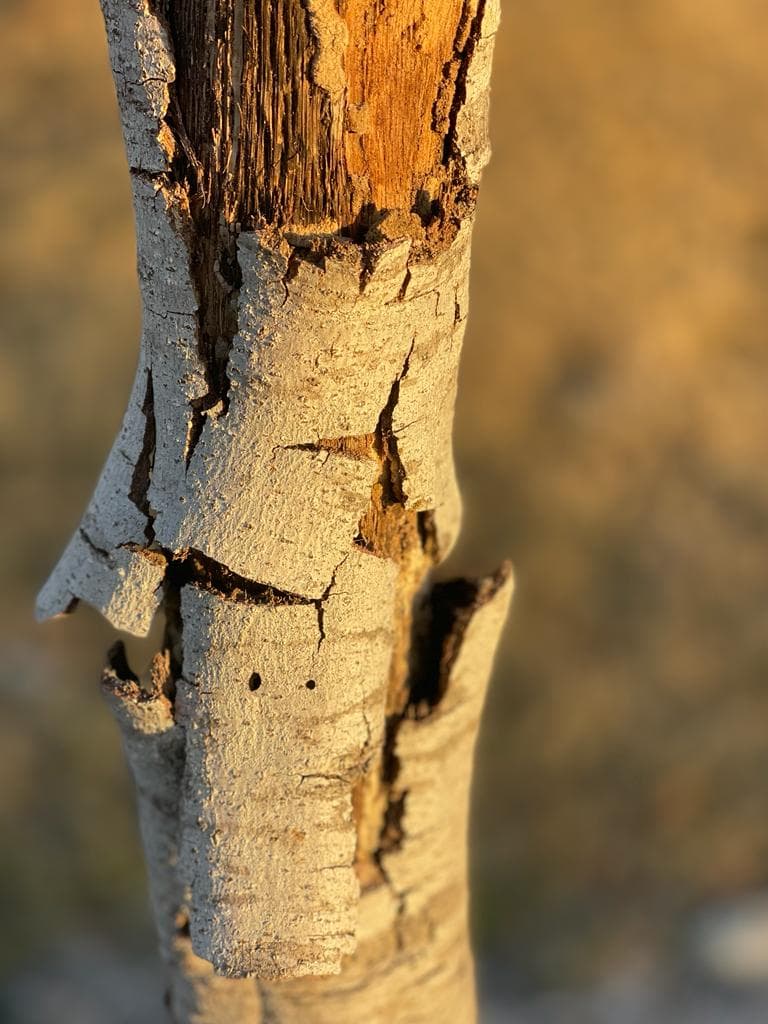
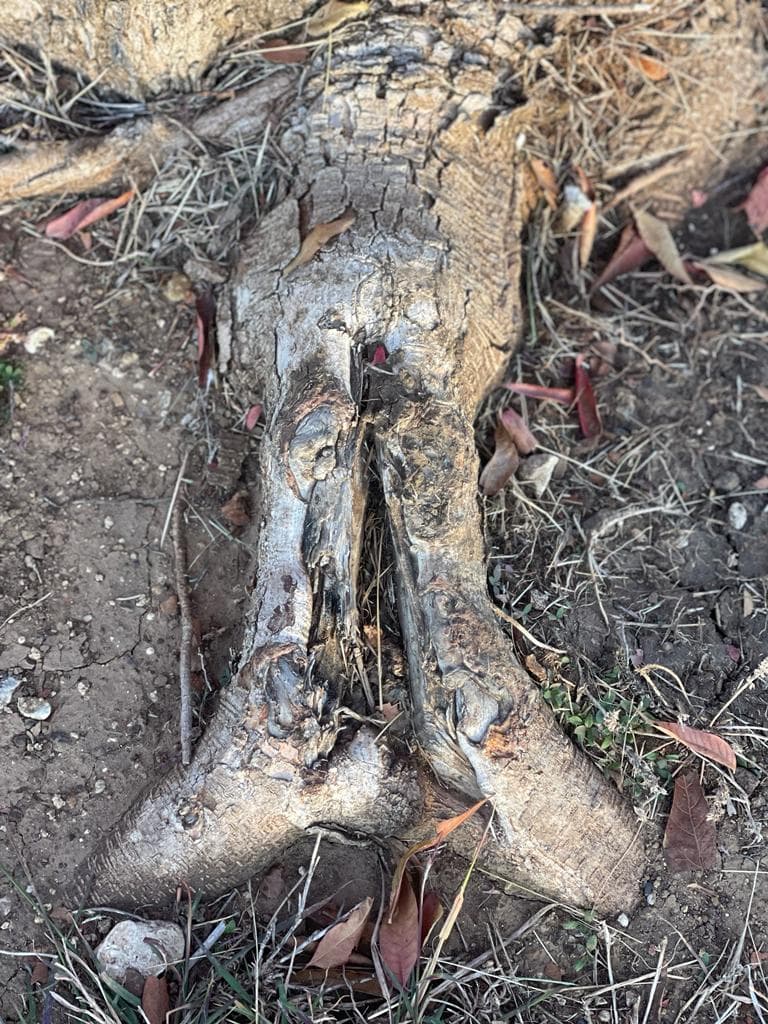
Signs of a Sick Tree or Sick Shrub
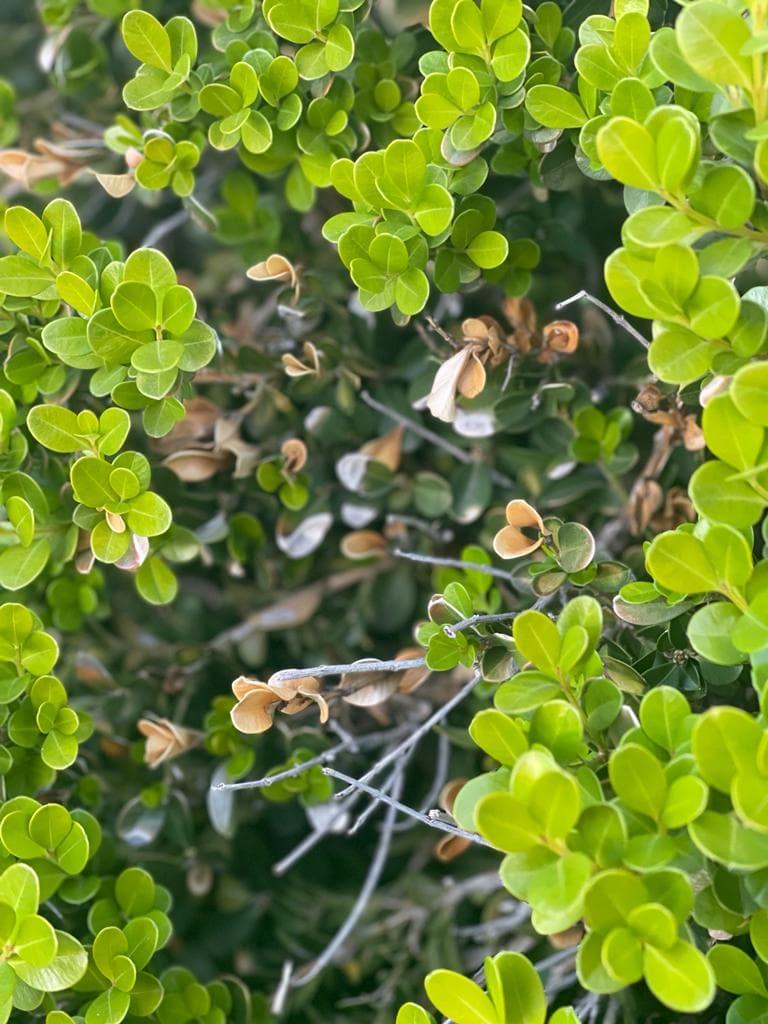
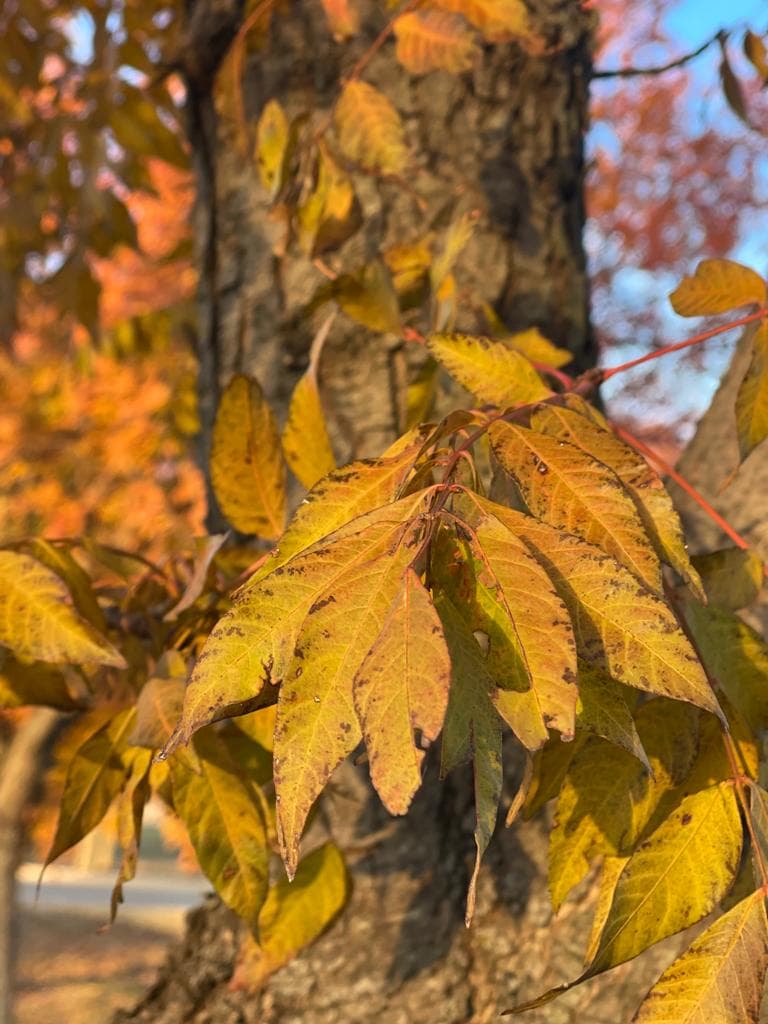
- Dead Branches
- Yellowing Leaves
- Fungi or Decay
- Bark Falling Off
- Discolored or Rusted Leaves
- Dying Tree or Shrub
- Leaf Discoloration
- Root or Insect Damage
- Leaves look like they’re being eaten
- Bark is Peeling
- Holes in leaves
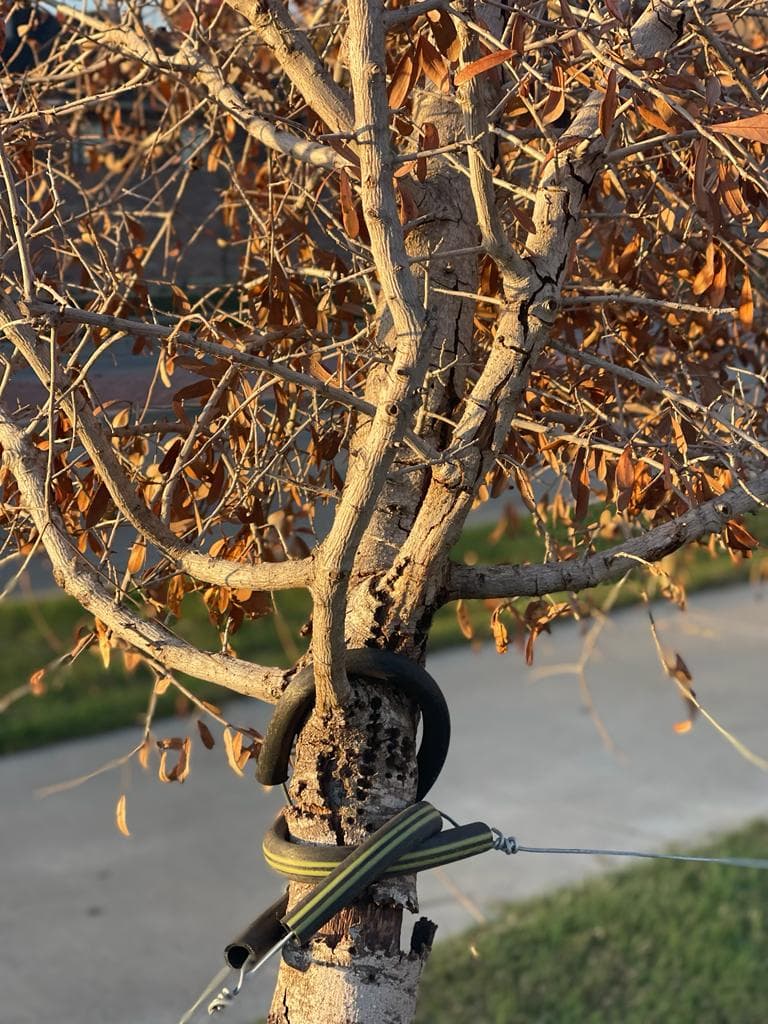
- Holes on Bark or Branches
- Stunted Growth
- Canopy Dieback
- Bark Abnormalities
- Wilting
Tree & Shrub Helpful Tips
1. Common Pests:
Trees and shrubs in Fate frequently fall victim to pests such as beetles, aphids, scale insects, borers, and caterpillars. Initiating effective treatments as soon as these pests are identified can help mitigate the risk of spread and irreversible damage.
2. Quick Identification:
At the epicenter of Fate’s pest control strategy is rapid and accurate pest detection and identification. By pinpointing pest threats at the earliest stages, interventions can be swiftly implemented, reducing harm and potential infestation, thereby preserving the town’s precious greenery.3. Organic Pest Control:
Emphasizing sustainable practices, Fate incorporates organic pest control into its approach. By creating environments that draw beneficial insects, the town significantly reduces the dependence on chemical pesticides, combating harmful pests naturally.4. Systemic Insecticides:
However, with the persistence of more stubborn pests that pose an imminent threat to the town’s landscape, Fate sometimes resorts to the controlled use of systemic insecticides. These measures are cautiously administered, ensuring effective pest elimination while minimizing harm to the broader ecosystem.5. Biological Control:
A core element of Fate’s multitiered pest management strategy includes promoting biological controls. By creating suitable habitats for natural predators such as birds and beneficial insects, the town can naturally manage pest populations, thus retaining its rich biodiversity.6. Preventive Measures:
In addition to these methods, preventive care takes center stage in Fate’s pest control approach. Regular maintenance tasks like routine watering and pruning contribute to ensuring optimal shrub and tree health, thereby fortifying their natural resistance to pests.7. Treatment Resistance:
Understanding that pests can grow resistant to constant treatments, Fate operates a rotation system in its pest control strategies. This alternation of treatment methods stymies pests from developing immunity, hence sustaining the treatments’ efficiency.8. Seeking an Arborist:
Fate’s approach to pest treatment is also shaped by the insights of certified arborists and pest control specialists. Their in-depth knowledge and advice guide the town in tracking evolving pest patterns and in devising effective control mechanisms.
If you’re concerned or have any further questions about our Tree & Shrub Pest Treatment Services in Fate, TX, or surrounding areas in North Texas, please call us at (817) 880-6130.
Tree & Shrub Pests
Listed below are common Tree & Shrub Pests found in Texas.
Aphids
A white soft body insect that creates a sticky "honey dew" structure on limbs or leaves, blocking nutrients.
Bagworms
Bagworms lay eggs that create small cone-shaped structures less than three inches in length.
Beetles
An invasive wood borer that is subject in all wood tissue that causes severe decline in trees health.
Gypsy Moth
A larva that boars into leaf structure that cause lesser of a foliation and decline in overall leaf structure.
Oak Gall
A growth deformity known as a "gall" commonly occur on oak trees subject to branches and other structures.
Termites
Termites, wood-destroying insect, eats away at all wood tissue, damaging the structures of the trees.
Twig Girdlers
Being a member of the long-horned beetle family, these girdlers are known to eat leaf and other tree areas.
Webworms
These caterpillars spin white webbing bag nests in tree branches and eat your tree foliage (leaves).
Certifications


Our Reviews

A+ BBB Rating based on 31 BBB Reviews
4.8/5.0 based on 83 Top Rated Local Reviews
4.6/5.0 based on 36 Facebook Reviews
4.0/5.0 based on 4 Trust Pilot Reviews

4.9/5.0 based on 90 Google Reviews
4.5/5.0 based on 13 Yelp Reviews
29 Recommendations on Nextdoor
Total Reviews: 286  Real Customer Reviews