 4.9 (349 Reviews)

Texas Shrubs & Tree Health Care Experts
Caring For Texas Shrubs & Trees Since 1990 Get A Free QuoteCall (817) 880-6130Tree & Shrub Pest Treatment in Keller, TX
Targeted Tree & Shrub Pest Control in Keller
Arborist USA provides tree & shrub pest treatment in Keller, TX. Call (817) 880-6130 for a free quote from a certified arborist.
Tree and shrub pest treatment starts with identifying the insect and how much damage it is causing, then using the most targeted option — trunk injection, soil application, or a precise spray — so the tree recovers without harming beneficial insects.
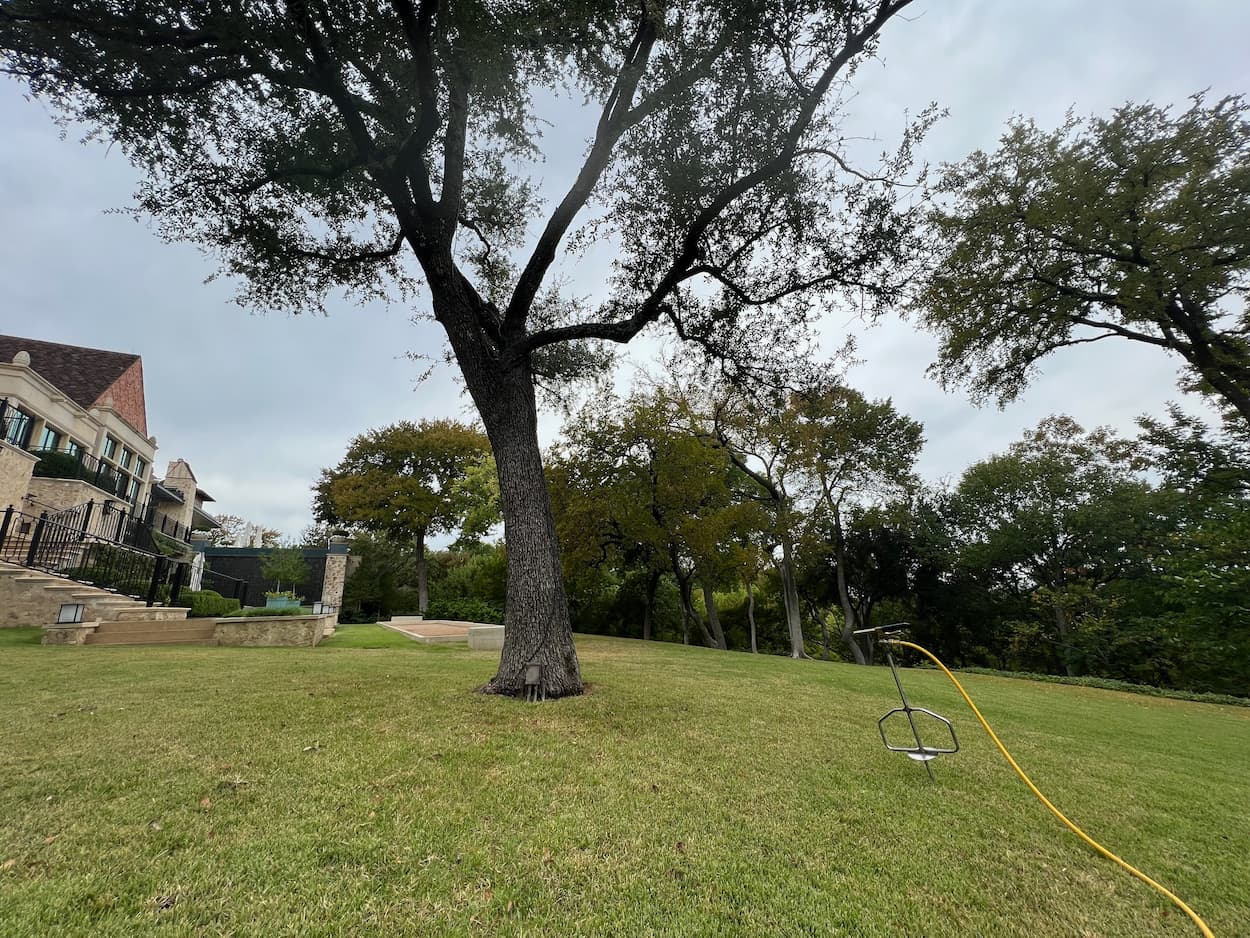
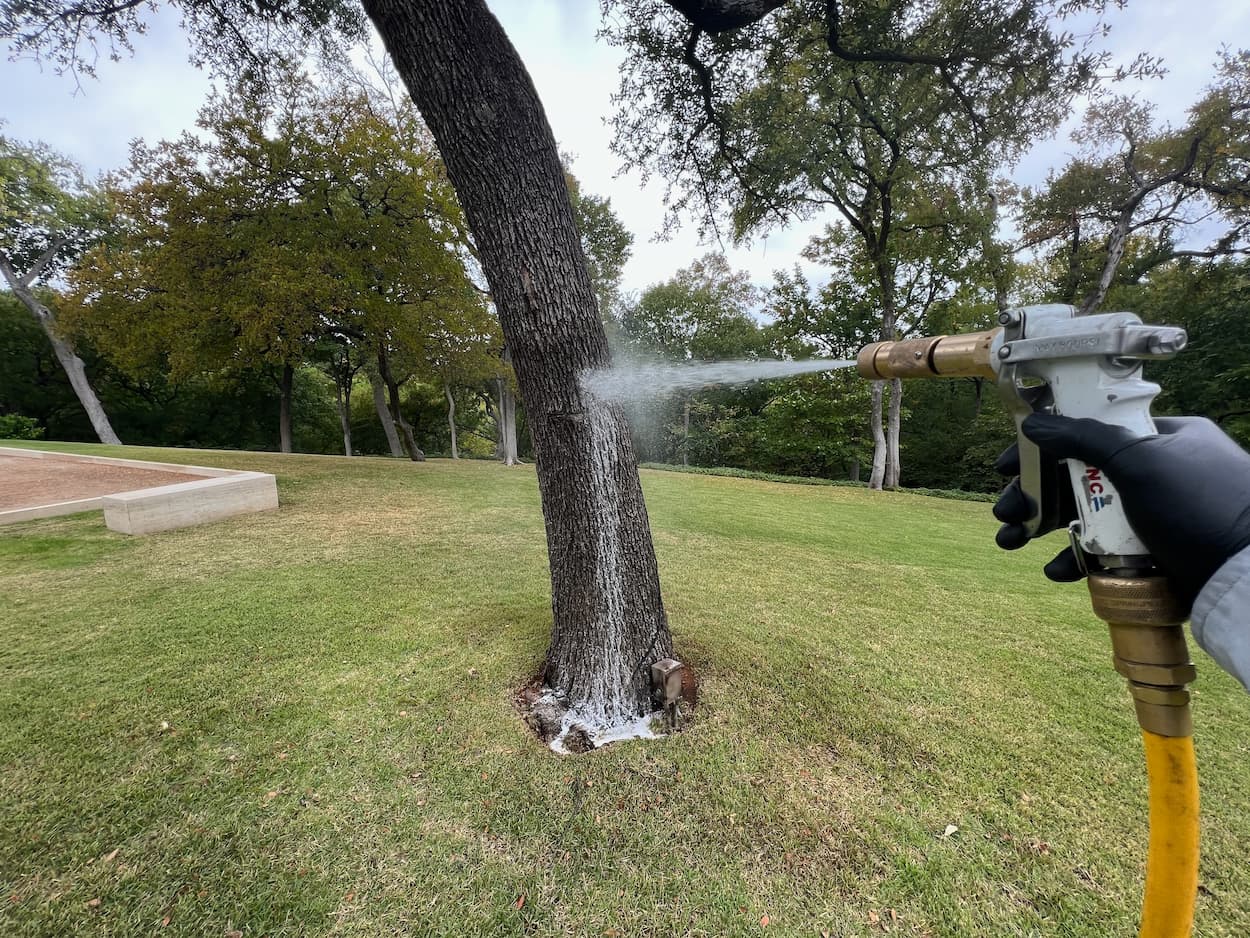
If you are in need of Tree & Shrub Pest Treatment Services in Keller, TX, please get in touch with Arborist USA today by calling us at (817) 880-6130, your Tree & Shrub Disease Specialist.
Tree & Shrub Pest Treatment in Keller, TX: What Homeowners Should Know
Tree & Shrub Pest Treatment in Keller, TX — the short answer: Tree and shrub pest treatment starts with identifying the insect and how much damage it is causing, then using the most targeted option — trunk injection, soil application, or a precise spray — so the tree recovers without harming beneficial insects. Our ISA Certified Arborists work in Keller (about 13 miles north of Fort Worth) and across Tarrant County; call (817) 880-6130 to schedule a free on-site assessment.
Tree and soil conditions in Keller and Tarrant County
Soil shapes tree health in Keller: much of the area is a mix of Grand Prairie limestone and Cross Timbers sandy loam. We regularly work on live oak, post oak, cedar elm, red oak and pecan in local neighborhoods. That is why we start every visit by checking the soil and root zone, not just the canopy.
Common tree problems we see around Keller
- Oak wilt in live oaks and red oaks
- Iron chlorosis in alkaline soils
- Soil compaction around older neighborhood trees
- Drought and heat stress during long summers
Signs of tree and shrub pests in Keller
- Bagworm or webworm bags in the canopy
- Sticky honeydew, sooty mold or scale on twigs
- Small exit holes, sawdust or bark cracks that point to borers
- Leaves that are stippled, curled or thinning early in the season
How our tree & shrub pest treatment process works
- We identify the pest and confirm it is the real cause of decline.
- We check the tree’s overall vigor, because stressed trees attract more insects.
- Treatment is matched to the pest and timed to its life cycle.
- We follow up to confirm control and recommend steps that keep trees resistant.
Why Keller homeowners choose Arborist USA
We are a family-owned Fort Worth company led by Henry Friar, ISA Certified Arborist (TX-270627), and a TCIA member company. We focus on diagnosing the real cause of a tree problem and treating it to industry standards — not just cutting. Learn more about our tree pest control or our certified arborists in Fort Worth.
Tree & Shrub Pest Treatment FAQ for Keller, TX
What tree pests are common in Keller?
In North Texas we regularly treat bagworms, webworms, scale insects, aphids, lace bugs, spider mites and wood-boring beetles such as the two-lined chestnut borer.
Is tree injection safe for kids and pets?
Trunk injections place treatment inside the tree’s vascular system, so there is little to no drift or residue on the lawn.
When is the best time to treat tree pests?
It depends on the insect. Many are treated in spring as they become active, while borers are often managed preventively before peak egg-laying.
Tree & Shrub Pest Treatment Near Keller
We also provide tree & shrub pest treatment in nearby communities: Haslet, North Richland Hills, Southlake, Colleyville, White Settlement, Westworth Village.
Other tree services in Keller
- Plant Health Care in Keller
- Tree Cabling & Bracing in Keller
- Tree & Shrub Root Aeration in Keller
- Oak Wilt Treatment in Keller
- Sick Tree Diagnosis & Tree Care in Keller
Ready to protect your trees in Keller? Call (817) 880-6130 or request a free assessment.
Signs of a Sick Tree or Sick Shrub
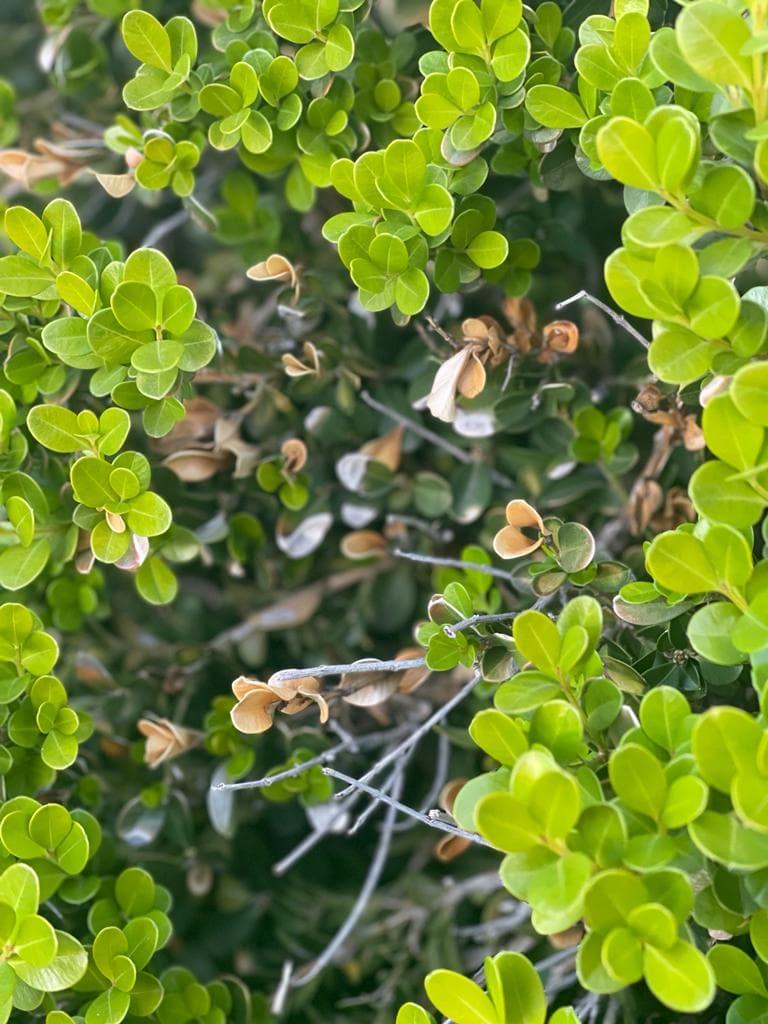
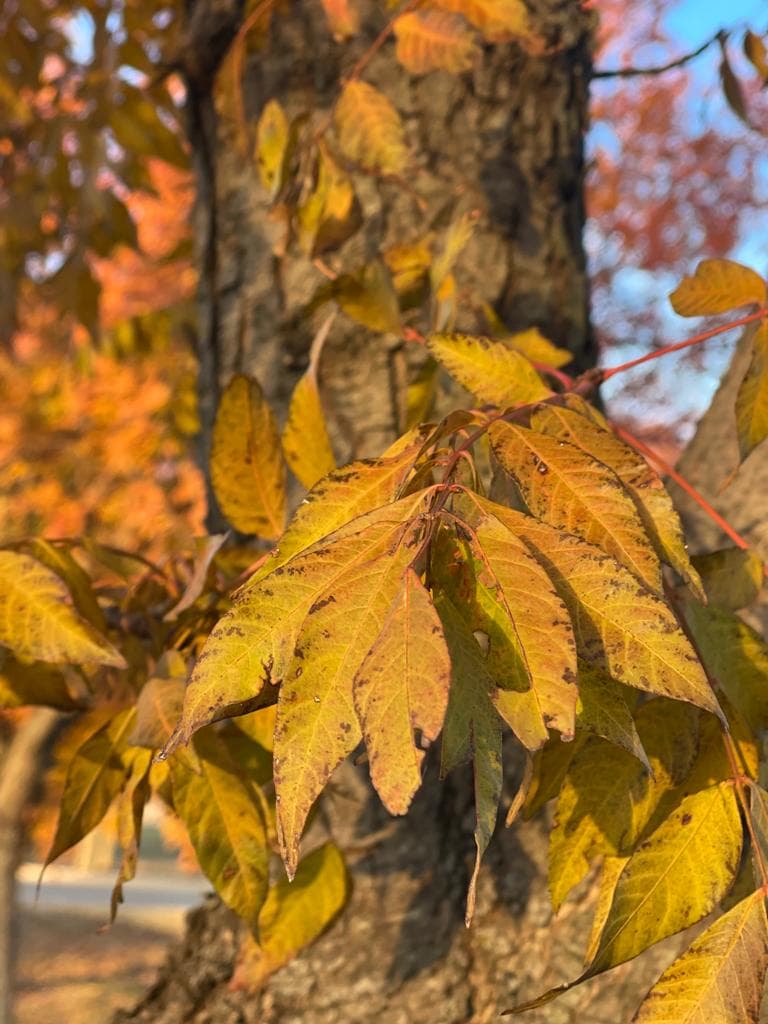
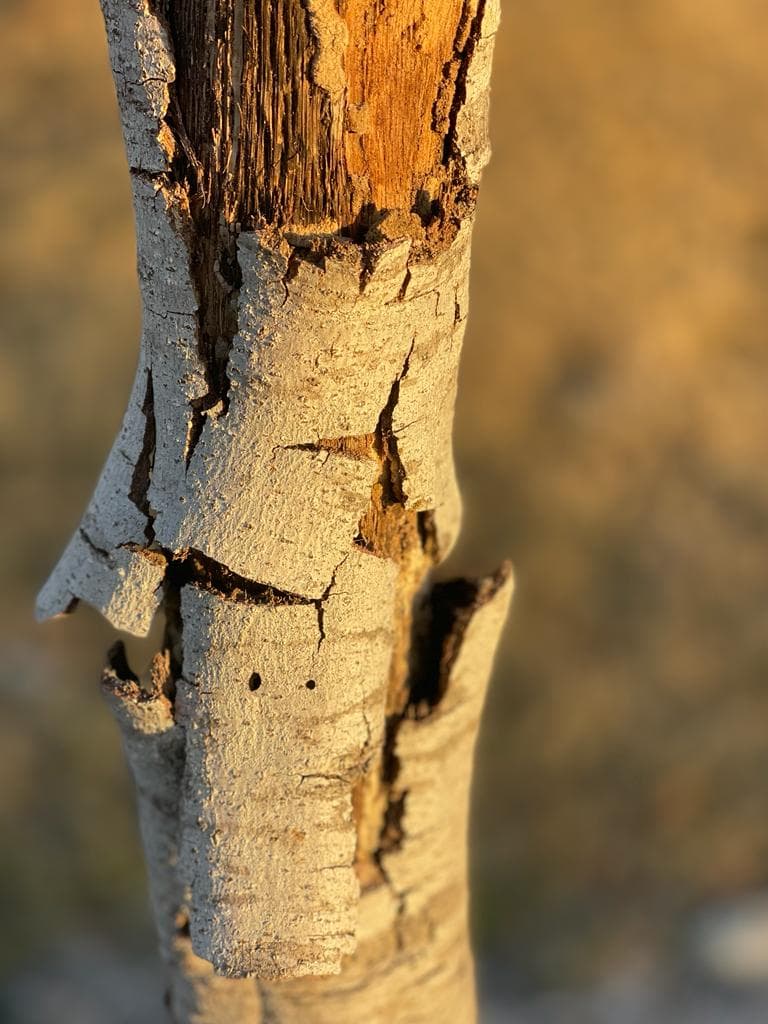
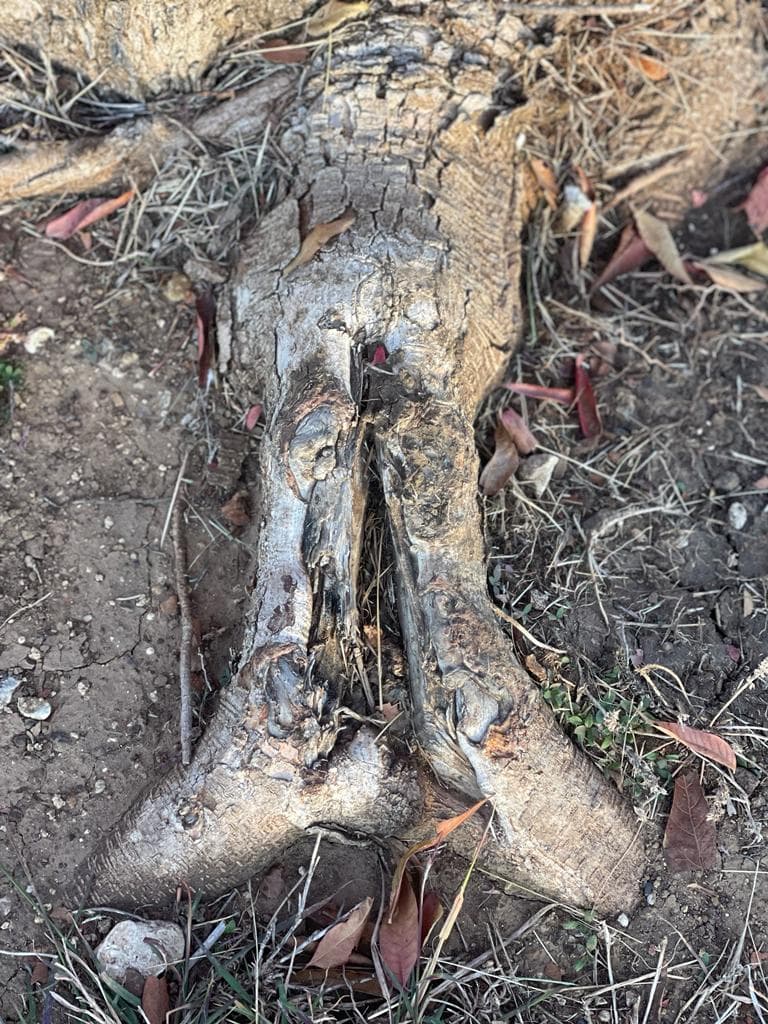
- Dead Branches
- Yellowing Leaves
- Fungi or Decay
- Bark Falling Off
- Discolored or Rusted Leaves
- Dying Tree or Shrub
- Leaf Discoloration
- Root or Insect Damage
- Leaves look like they’re being eaten
- Bark is Peeling
- Holes in leaves
- Holes on Bark or Branches
- Stunted Growth
- Canopy Dieback
- Bark Abnormalities
- Wilting
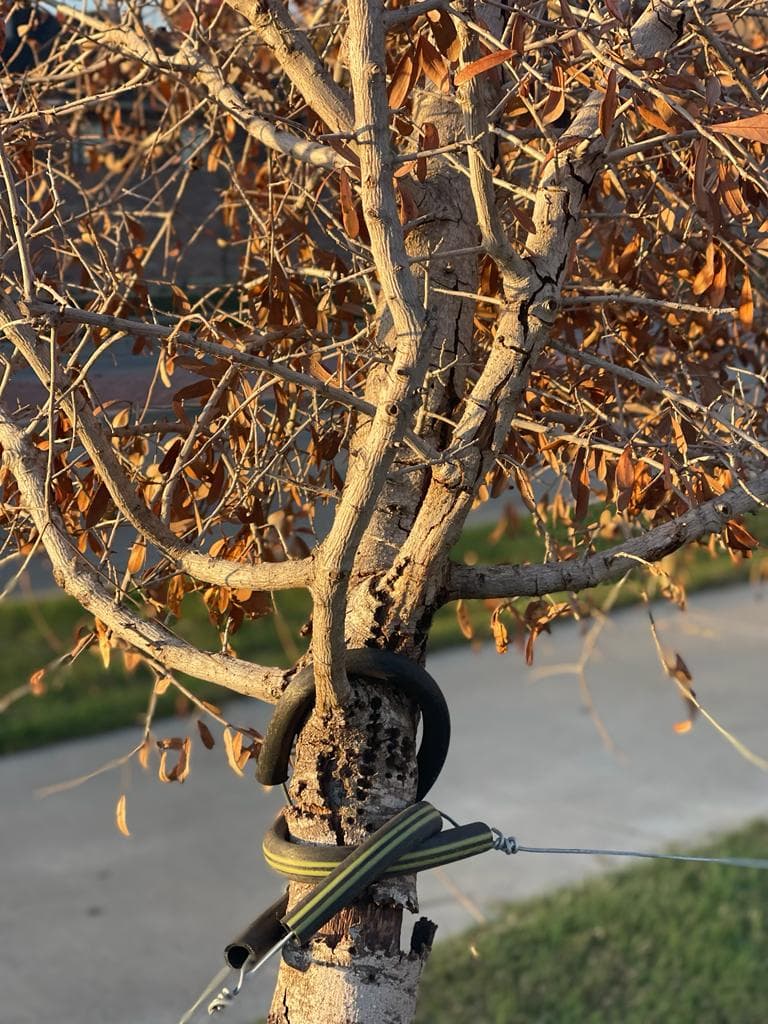
Tree & Shrub Helpful Tips
1. Detecting Pests:
The first line of defense against pests like aphids, mites, beetles, caterpillars, borers, and scale insects is their early identification and action, which can significantly reduce extensive damage.
2. Identifying Infestations:
Indicator of infestations could be discolored foliage, premature leaf drop, unexpected lesions on the bark, and an abnormal growth pattern. Timely recognition and intervention can prevent pest proliferation and extensive plant damage.
3. Immediate Treatment:
Prompt treatment of infested trees and shrubs limits immediate damage and shields the plants from future infestations, potentially saving the plant’s life and saving homeowners costly replacement expenses.
4. Expert Aid:
Tree and shrub care experts are adept at pinpointing pest infestations and formulating efficient treatment plans. Consistent monitoring from such specialists provides an adaptive approach to pest management.
5. Treatment Strategies:
Tree and shrub pest treatment can include chemical and biological control, physical maintenance like pruning and trimming, and improved horticultural methodologies. The best strategy depends on the severity and type of infestation.
6. Preventive Actions:
Prevention is better than cure, and this holds for pest invasions too. Regular pruning, sufficient watering, and balanced fertilizing can forestall pest infestations. Encouraging biodiversity is another powerful preventive strategy.
7. Integrated Pest Management (IPM):
This environmentally sensitive pest control technique combines diverse strategies and practices for comprehensive and efficient pest management.
8. Maintaining Ecological Balance:
Equally important as pest eradication is preserving the local ecosystem’s health, which includes protecting beneficial insects and local wildlife. Expert pest management services excel at maintaining this equilibrium.
9. Community Participation:
The role of community vigilance and swift professional consultation in pest management can’t be overstressed. Collective efforts enhance the effectiveness of pest treatment operations.
10. Promoting Awareness:
Raising awareness among Keller residents about prevalent pests, identifying infestations, and the various treatment methods empowers them to take an active part in pest management programs, leading to increased success rates.
If you’re concerned or have any further questions about our Tree & Shrub Pest Treatment Services in Keller, TX, or surrounding areas in North Texas, please call us at (817) 880-6130.
Tree & Shrub Pests
Listed below are common Tree & Shrub Pests found in Texas.
Aphids
A white soft body insect that creates a sticky "honey dew" structure on limbs or leaves, blocking nutrients.
Bagworms
Bagworms lay eggs that create small cone-shaped structures less than three inches in length.
Beetles
An invasive wood borer that is subject in all wood tissue that causes severe decline in trees health.
Gypsy Moth
A larva that boars into leaf structure that cause lesser of a foliation and decline in overall leaf structure.
Oak Gall
A growth deformity known as a "gall" commonly occur on oak trees subject to branches and other structures.
Termites
Termites, wood-destroying insect, eats away at all wood tissue, damaging the structures of the trees.
Twig Girdlers
Being a member of the long-horned beetle family, these girdlers are known to eat leaf and other tree areas.
Webworms
These caterpillars spin white webbing bag nests in tree branches and eat your tree foliage (leaves).
Certifications



Our Reviews

A+ BBB Rating based on 31 BBB Reviews
4.8/5.0 based on 83 Top Rated Local Reviews
4.6/5.0 based on 36 Facebook Reviews
4.0/5.0 based on 4 Trust Pilot Reviews

4.9/5.0 based on 90 Google Reviews
4.5/5.0 based on 13 Yelp Reviews
29 Recommendations on Nextdoor
Total Reviews: 286  Real Customer Reviews