 4.9 (349 Reviews)
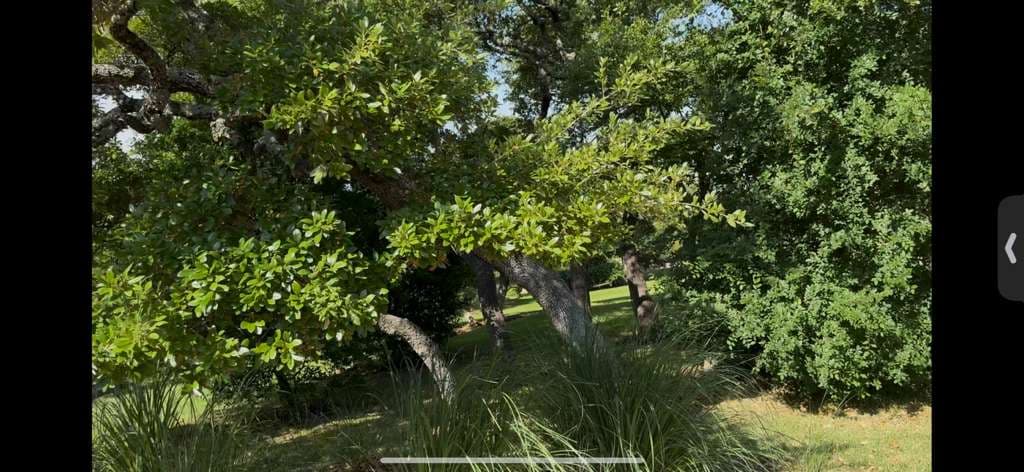
At Arborist USA, we recently worked on a property in Mansfield, Texas where trees were struggling with persistent anthracnose. Previous systemic treatments were not producing results, and the canopy continued to show stress. After further diagnosis, we identified the root cause—soil compaction and waterlogging in the root zone. Once we addressed the soil condition using an air spade, the trees responded, and the anthracnose subsided. This case highlights a critical principle in plant healthcare: if you don’t fix the root environment, treatments will fail.
What Was Happening Below the Surface
From a distance, the symptoms appeared to be a typical fungal issue—leaf spotting, premature leaf drop, and thinning canopy. However, according to the International Society of Arboriculture (ISA), canopy symptoms are often the result of underlying root dysfunction rather than the primary issue itself.
In this case, the trees were experiencing chronic waterlogging. Excessive moisture had compacted the soil and displaced oxygen, creating a condition known as root-zone hypoxia.
Root Hypoxia Explained
Healthy roots require oxygen for respiration. When soils become saturated:
- Oxygen is displaced by water
- Root respiration declines
- Nutrient uptake becomes limited
- Fine feeder roots begin to die
According to Texas A&M AgriLife Extension, prolonged soil saturation leads to root decline and increased susceptibility to fungal pathogens, including anthracnose.
This is exactly what we observed in Mansfield. The trees were not failing because of the fungus—they were failing because the root system could not function.
⸻
Why the Systemic Treatment Was Not Working
The property had already attempted a systemic fungicide program. Under normal conditions, systemic treatments can be effective because they move through the vascular system of the tree.
However, in this situation, the treatment was not working for one key reason:
Compromised Vascular Transport
When roots are stressed:
- Water uptake is reduced
- Nutrient transport slows down
- Systemic products cannot move effectively through the tree
The Tree Care Industry Association (TCIA) emphasizes that systemic treatments rely on an active and functioning vascular system. If the roots are compromised, the treatment cannot reach its target.
In simple terms:
The tree could not absorb the treatment because the roots were suffocating.
⸻
The Solution – Air Spading and Soil Remediation
To correct the problem, we used an air spade tool to remove compacted soil and restore proper root conditions.
What Is Air Spading?
Air spading uses compressed air to safely break apart soil without damaging roots. This allows us to:
- Remove compacted soil
- Restore oxygen flow
- Improve water infiltration
- Expose and inspect the root system
This technique is recognized by ISA and TCIA as a best practice for root zone remediation.
⸻
What We Found During Excavation
Once we began removing soil, the issue became clear:
- Dense, compacted clay soil
- Poor drainage conditions
- Saturated root zone
- Limited feeder root activity
These conditions created the perfect environment for anthracnose to thrive.
Anthracnose is a fungal disease that takes advantage of weakened trees. According to Texas A&M, it is most aggressive when trees are under stress from:
- Excess moisture
- Poor airflow
- Reduced vigor
By correcting the soil, we removed the underlying stress factor.
⸻
Rebuilding the Root Zone
After removing the compacted soil, we rebuilt the root environment using a combination of:
- Proper backfill soil structure
- Organic amendments
- Micronutrients
- Biological stimulants
This allowed the roots to:
- Re-establish oxygen exchange
- Regrow feeder roots
- Resume nutrient uptake
Once root function was restored, the tree’s natural defense system began working again.
⸻
Why the Anthracnose Disappeared
After soil remediation, the change was immediate and measurable.
Tree Response After Aeration
- New foliage emerged healthier
- Leaf drop slowed significantly
- No new anthracnose lesions developed
- Canopy density improved
The key takeaway is this:
We did not “kill” the anthracnose directly—we removed the conditions that allowed it to exist.
⸻
Why the Systemic Treatment Worked Afterward
Once the root system recovered, we reintroduced systemic and micronutrient treatments.
This time, the results were dramatically different.
Improved Uptake
With a functioning root system:
- Treatments moved efficiently through the xylem
- Nutrients were absorbed properly
- The tree regained metabolic strength
The combination of:
- Soil correction
- Oxygen restoration
- Nutrient support
allowed the systemic treatment to finally perform as intended.
⸻
The Science Behind Micronutrients and Recovery
Micronutrients play a critical role in plant health, especially after stress events.
According to Texas A&M AgriLife, micronutrients support:
- Chlorophyll production
- Enzyme activation
- Stress tolerance
- Disease resistance
In Mansfield, once the roots were functioning, the micronutrient program helped the trees:
- Produce more energy
- Build stronger foliage
- Resist fungal pressure
This is why we saw a complete turnaround in tree health.
⸻
Key Lessons for Homeowners in Mansfield, Texas
This case study reinforces several important principles for tree care in Mansfield, TX and surrounding areas:
1. Soil Comes First
You cannot treat a canopy problem if the roots are failing.
2. Drainage Is Critical
Poor drainage leads to:
- Root suffocation
- Nutrient lockout
- Increased disease pressure
3. Fungus Is Often Secondary
Anthracnose and similar diseases typically attack already stressed trees.
4. Aeration Can Save Trees
Air spading is one of the most effective ways to:
- Restore root function
- Improve soil structure
- Reverse decline
5. Treatments Only Work When Trees Can Absorb Them
If the vascular system is compromised, even the best products will fail.
⸻
Why This Matters for North Texas Properties
In Mansfield, Arlington, Fort Worth, and surrounding North Texas cities, heavy clay soils are common. These soils:
- Hold water longer
- Compact easily
- Limit oxygen movement
This makes trees especially vulnerable to:
- Waterlogging
- Root decline
- Fungal diseases like anthracnose
Understanding and correcting these conditions is essential for long-term tree health.
⸻
When to Call an Arborist
If you are seeing:
- Thinning canopy
- Leaf spotting or drop
- Poor response to treatments
- Standing water around trees
it may not be a disease problem—it may be a root problem.
Working with an Arborist ensures:
- Proper diagnosis
- Science-based solutions
- Long-term results
⸻
Final Thoughts
This Mansfield project is a perfect example of how proper diagnosis changes everything. The trees were not failing because of anthracnose alone. They were failing because of compacted, waterlogged soil that was suffocating the roots.
Once we corrected the root environment:
- The fungus subsided
- The trees recovered
- Treatments began working again
This is the difference between treating symptoms and solving problems.
For general tree-care best practices, homeowners can also reference guidance from the Texas A&M Forest Service, https://tfsweb.tamu.edu/trees/, a trusted authority on Texas tree health.
Schedule a professional inspection. Early detection and scientific intervention are the difference between preservation and loss. If you’d like to speak to an arborist, please call us at 817-880-6130 or visit https://www.arboristusa.com/