 4.9 (370 Reviews)

Texas Shrubs & Tree Health Care Experts
Caring For Texas Shrubs & Trees Since 1990 Get A Free QuoteCall (817) 880-6130Tree & Shrub Pest Treatment in Eureka, TX
Targeted Tree & Shrub Pest Control in Eureka
Arborist USA provides tree & shrub pest treatment in Eureka, TX. Call (817) 880-6130 for a free quote from a certified arborist.
Talk to an ISA Certified Arborist about your trees in Eureka.
Free assessments from Arborist USA — led by Henry Friar, ISA Certified Arborist TX-270627A.
Tree and shrub pest treatment starts with identifying the insect and how much damage it is causing, then using the most targeted option — trunk injection, soil application, or a precise spray — so the tree recovers without harming beneficial insects.
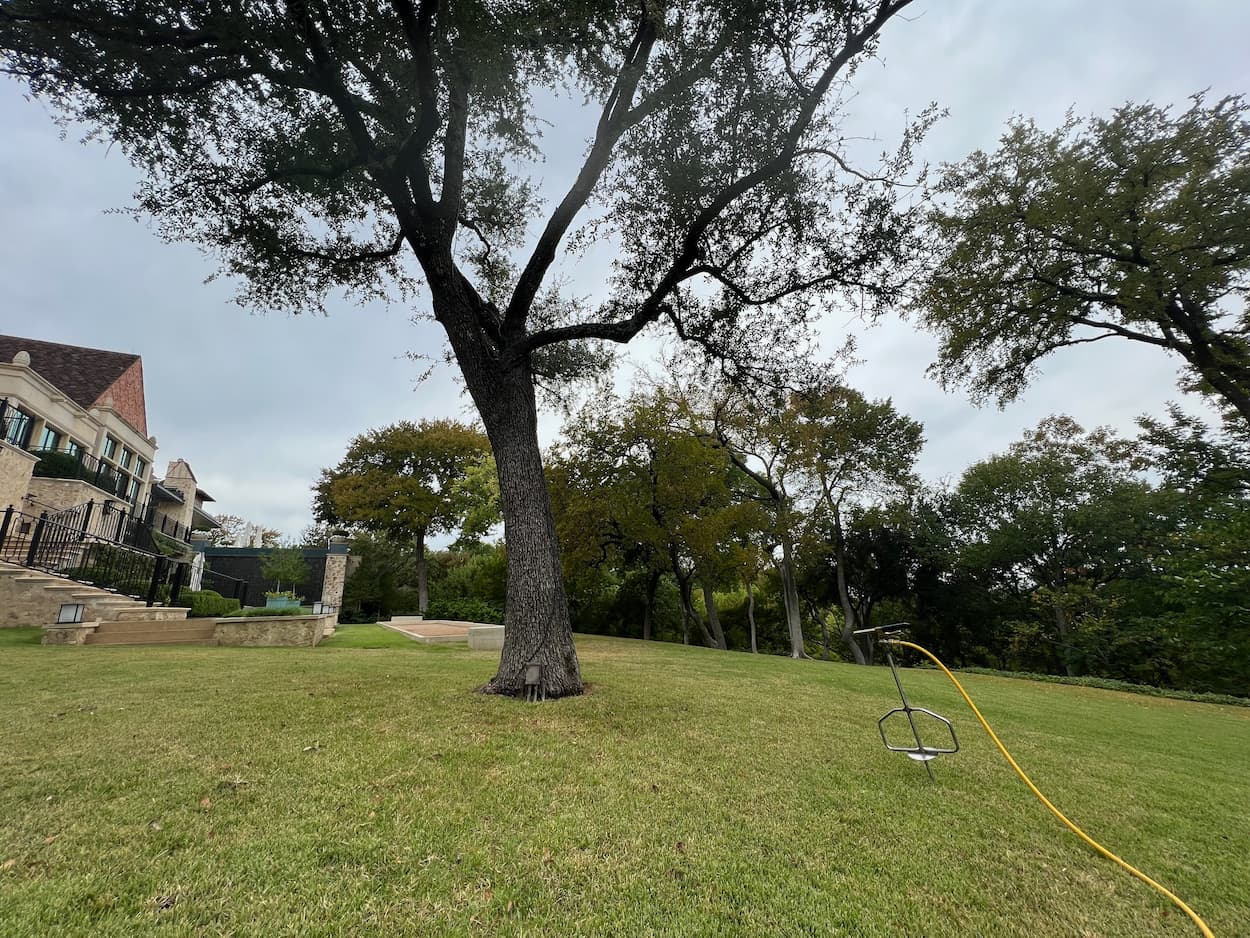
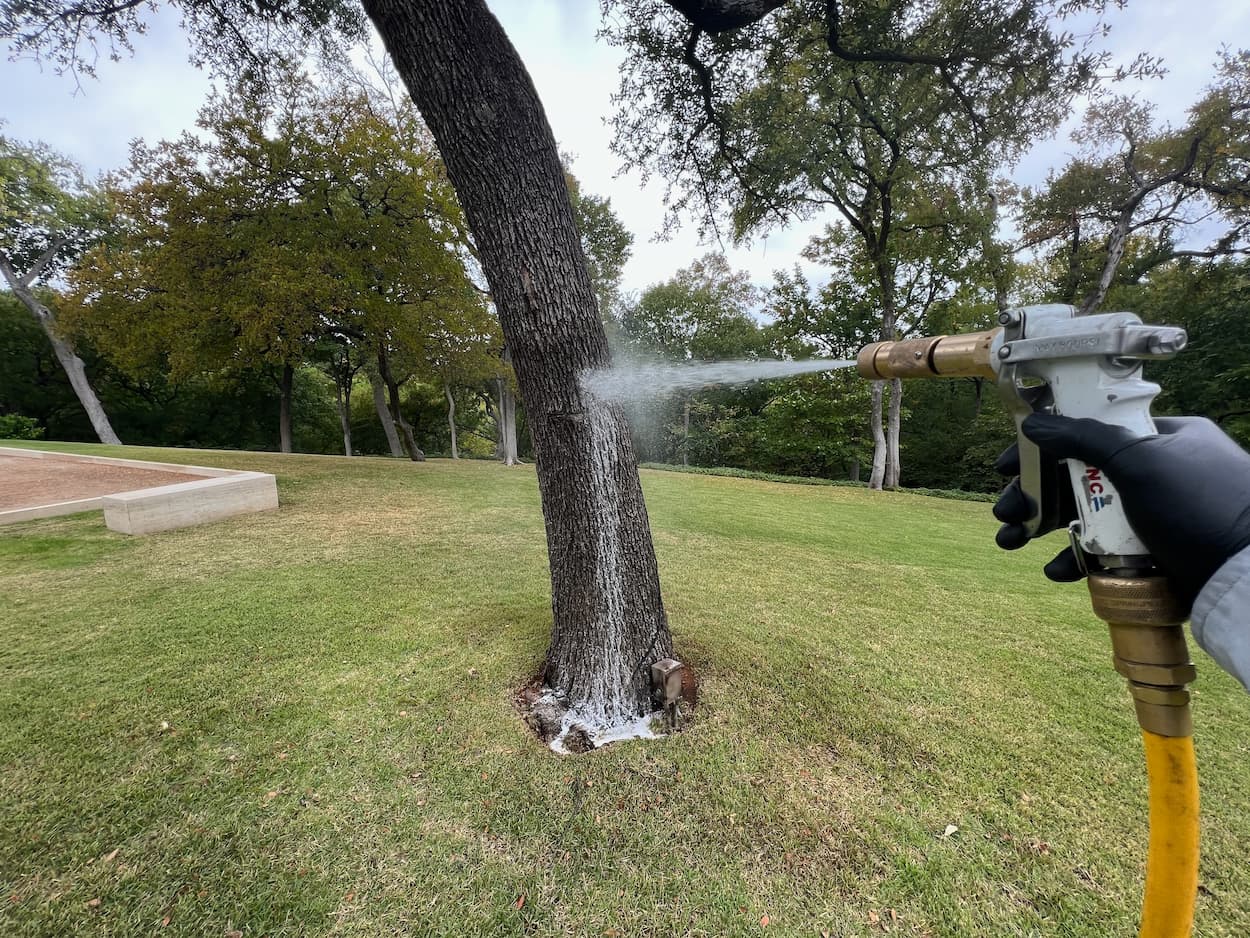
If you are in need of Tree & Shrub Pest Treatment Services in Eureka, TX, please get in touch with Arborist USA today by calling us at (817) 880-6130, your Tree & Shrub Disease Specialist.
Tree & Shrub Pest Treatment in Eureka, TX: What Homeowners Should Know
Looking for tree and shrub pest control in Eureka, TX? Tree and shrub pest treatment starts with identifying the insect and how much damage it is causing, then using the most targeted option — trunk injection, soil application, or a precise spray — so the tree recovers without harming beneficial insects. Arborist USA’s ISA Certified Arborists serve Eureka and the rest of Navarro County. Call (817) 880-6130 for a free assessment.
About Eureka, Texas
Eureka is a small community of about 313 residents (2020 figure) in Navarro County, covering roughly 2.5 square miles. It sits about 397 feet above sea level.
With about 125 residents per square mile, Eureka’s yards and landscapes sit close together, so bagworms, webworms, scale and lace bugs move easily from one property to the next. We see the most pest pressure on cedar elm, live oak, post oak and pecan here, especially on trees already stressed by heat and drought.
Tree and soil conditions in Eureka and Navarro County
Soil shapes tree health in Eureka: much of the area is Blackland Prairie clay — deep, dark soils that shrink and crack in drought and stay waterlogged after heavy rain. We regularly work on cedar elm, live oak, Shumard red oak, bur oak and pecan in local neighborhoods. That is why we start every visit by checking the soil and root zone, not just the canopy.
Common tree problems we see around Eureka
- Soil compaction and poor drainage in heavy clay
- Cotton root rot, which thrives in alkaline clay soils
- Iron chlorosis (yellow leaves) on oaks, pin oaks and maples
- Drought cracking that tears fine roots in summer
Signs of tree and shrub pests in Eureka
- Bagworm or webworm bags in the canopy
- Sticky honeydew, sooty mold or scale on twigs
- Small exit holes, sawdust or bark cracks that point to borers
- Leaves that are stippled, curled or thinning early in the season
How our tree & shrub pest treatment process works
- We identify the pest and confirm it is the real cause of decline.
- We check the tree’s overall vigor, because stressed trees attract more insects.
- Treatment is matched to the pest and timed to its life cycle.
- We follow up to confirm control and recommend steps that keep trees resistant.
Why Eureka homeowners choose Arborist USA
We are a family-owned Fort Worth company led by Henry Friar, ISA Certified Arborist TX-270627A. Arborist USA is TCIA Member #268065 and holds Texas Department of Agriculture (TDA) License No. 1008483. We focus on diagnosing the real cause of a tree problem and treating it to industry standards — not just cutting. Learn more about our tree pest control or our certified arborists in Fort Worth.
Tree & Shrub Pest Treatment FAQ for Eureka, TX
What tree pests are common in Eureka?
In North Texas we regularly treat bagworms, webworms, scale insects, aphids, lace bugs, spider mites and wood-boring beetles such as the two-lined chestnut borer.
Is tree injection safe for kids and pets?
Trunk injections place treatment inside the tree’s vascular system, so there is little to no drift or residue on the lawn.
When is the best time to treat tree pests?
It depends on the insect. Many are treated in spring as they become active, while borers are often managed preventively before peak egg-laying.
Tree & Shrub Pest Treatment Near Eureka
We also provide tree & shrub pest treatment in nearby communities: Navarro, Angus, Roane, Mildred, Oak Valley, Dresden.
Other tree services in Eureka
Ready to protect your trees in Eureka? Call (817) 880-6130 or request a free assessment.
Signs of a Sick Tree or Sick Shrub
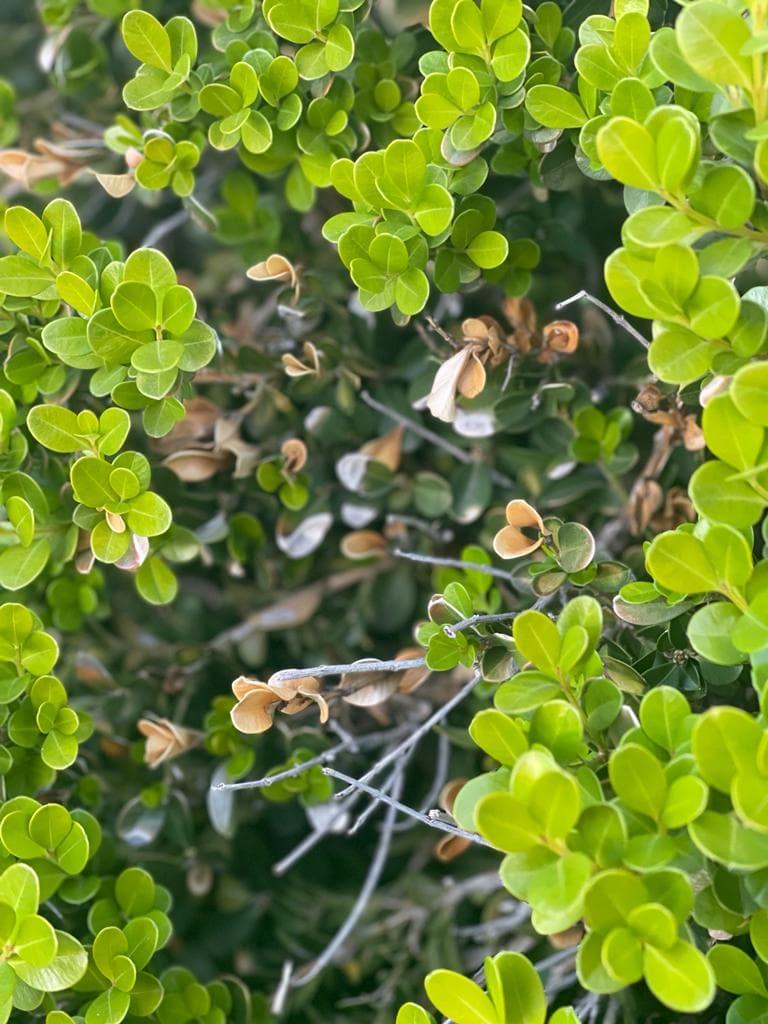
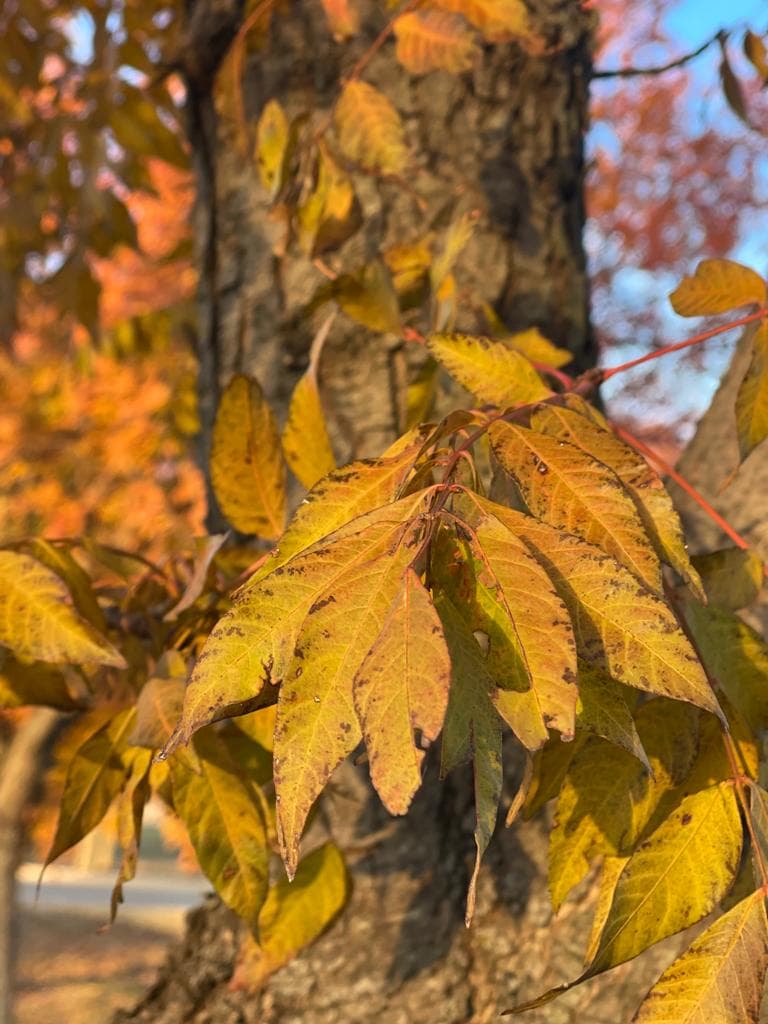
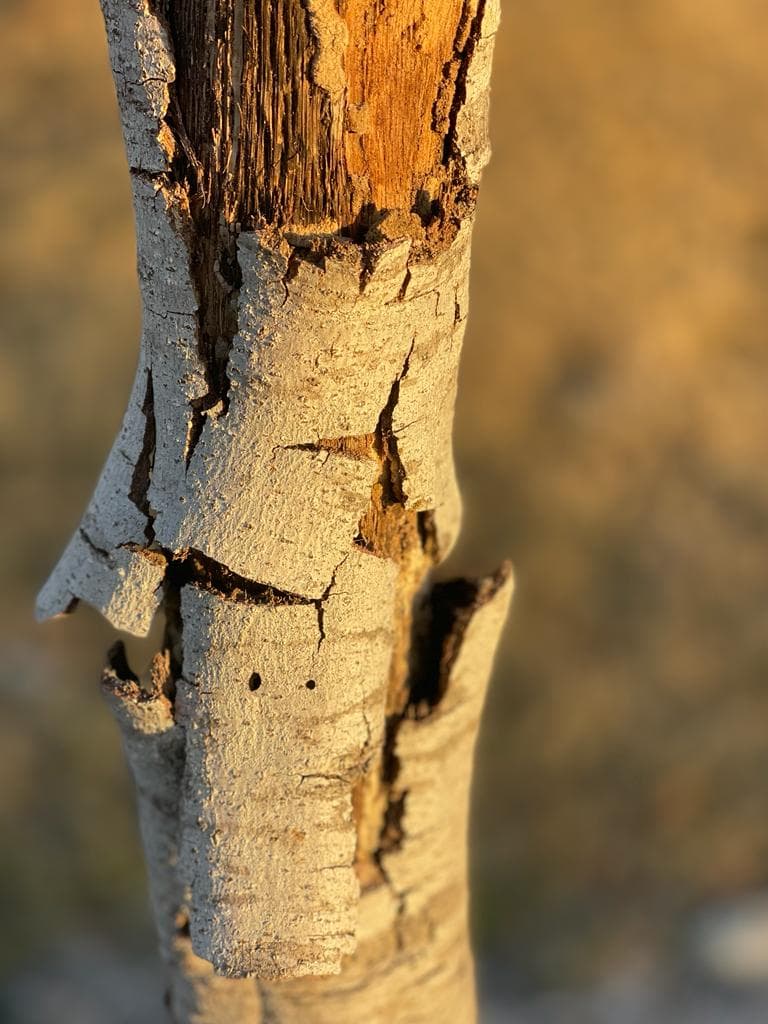
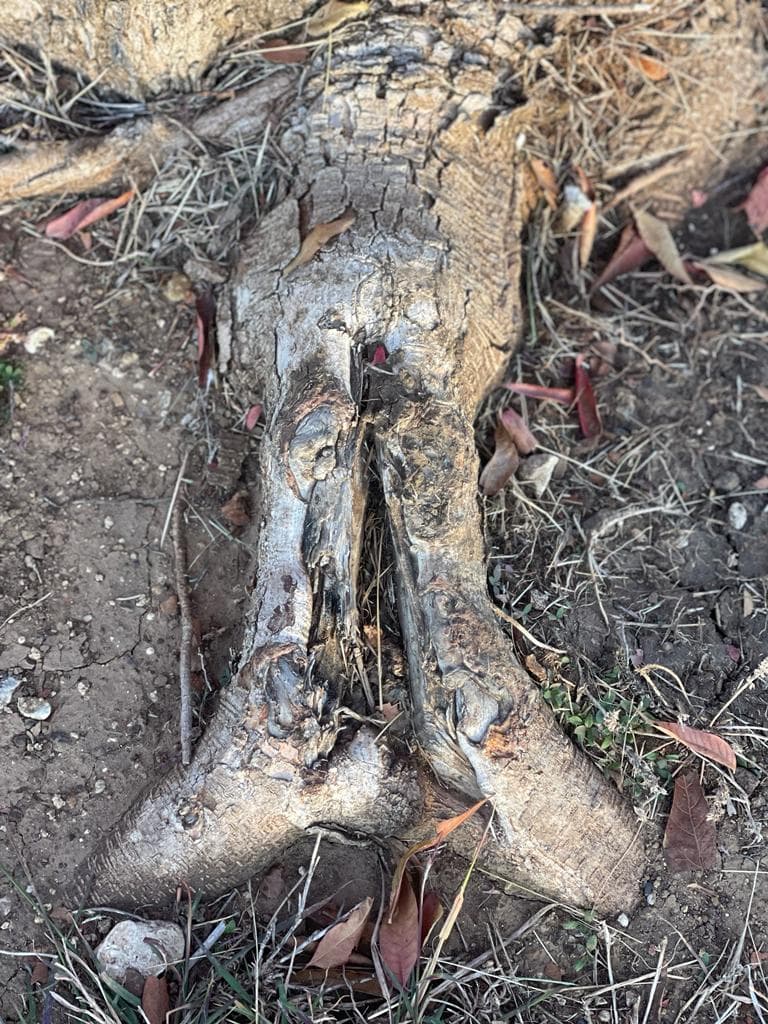
- Dead Branches
- Yellowing Leaves
- Fungi or Decay
- Bark Falling Off
- Discolored or Rusted Leaves
- Dying Tree or Shrub
- Leaf Discoloration
- Root or Insect Damage
- Leaves look like they’re being eaten
- Bark is Peeling
- Holes in leaves
- Holes on Bark or Branches
- Stunted Growth
- Canopy Dieback
- Bark Abnormalities
- Wilting
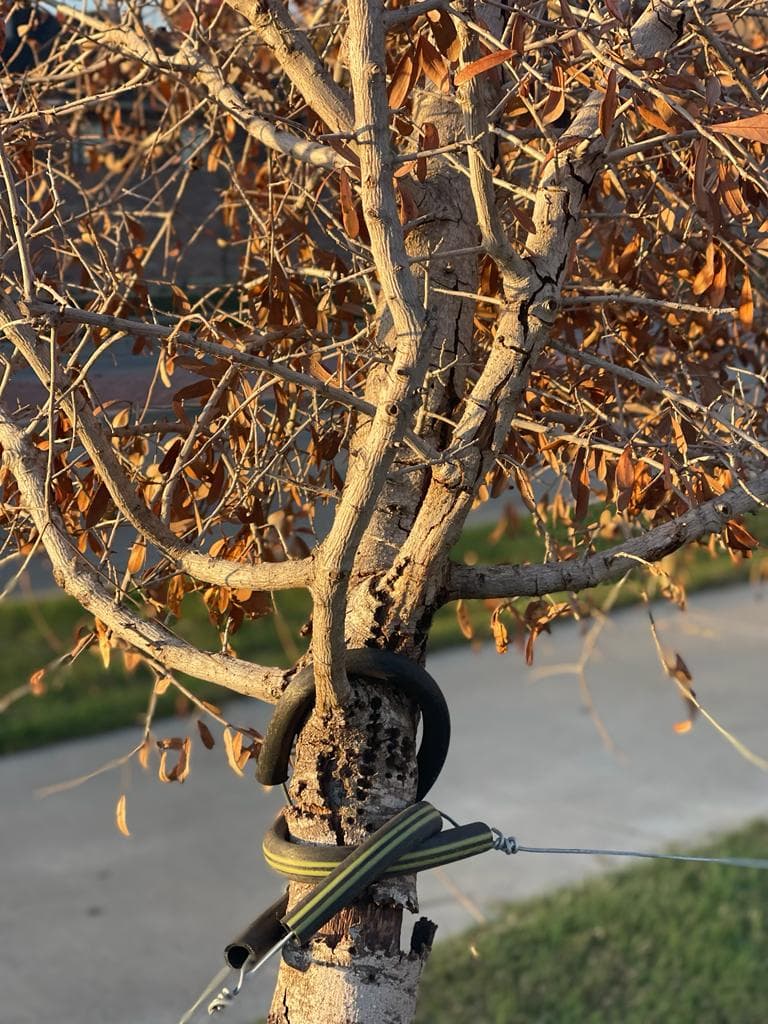
Tree & Shrub Helpful Tips
Eureka’s Holistic Approach to Eco-Friendly Pest Management
Systemic insecticides are strategically used when dealing with pests that target tree bark or infiltrate the foliage. These treatments are designed to effectively eliminate the pests without endangering non-target species, exemplifying Eureka’s commitment to environmental preservation. Moreover, the town employs biological pest control measures, harnessing the power of beneficial insects such as ladybugs and lacewings. By promoting these natural predators, Eureka is able to manage harmful pests in a way that reduces reliance on harmful chemicals. Prevention is always better than cure, and this is reflected in Eureka’s preventative maintenance approaches. The town nurtures the overall health of its trees and shrubs through regular upkeep activities like correct watering practices and appropriate pruning. Such practices enhance the plant’s natural defenses against pests, contributing to the town’s thriving landscapes.
Eureka also implements a rotating pest treatment strategy to maintain the effectiveness of its pest management program. This innovative practice disrupts potential resistance build-up amongst pests, preventing them from becoming immune to a specific treatment. Professional insight is highly valued in Eureka. Consulting certified arborists and pest control professionals enable the town to stay updated with the latest advancements in the field, ensuring their pest treatment strategies are always precise and effective. Eureka’s thorough approach to pest treatment hinges on early detection, eco-friendly pest control, systemic insecticides, biological control, preventative measures, rotating treatments, and expert consultations.
Preserving Eureka’s Natural Landscapes Through Innovative Practices
This well-rounded approach safeguards Eureka’s captivating natural landscapes while also mitigating pest infestations. Blending traditional practices and innovation, Eureka offers a model for pest control that doesn’t jeopardize the town’s precious ecosystems. As an ideal example for other communities seeking sustainable pest control solutions, Eureka’s method is environmentally friendly and dynamic. Eureka champions a proactive and robust strategy against tree and shrub pests by prioritizing the health and diversity of its verdant greenery. Their efficient execution of pest treatment strategies aids in preserving the town’s lush landscapes while serving as a successful model of green pest control and environmental preservation for other communities.
If you’re concerned or have any further questions about our Tree & Shrub Pest Treatment Services in Eureka, TX, or surrounding areas in North Texas, please call us at (817) 880-6130.
Tree & Shrub Pests
Listed below are common Tree & Shrub Pests found in Texas.
Aphids
A white soft body insect that creates a sticky "honey dew" structure on limbs or leaves, blocking nutrients.
Bagworms
Bagworms lay eggs that create small cone-shaped structures less than three inches in length.
Beetles
An invasive wood borer that is subject in all wood tissue that causes severe decline in trees health.
Gypsy Moth
A larva that boars into leaf structure that cause lesser of a foliation and decline in overall leaf structure.
Oak Gall
A growth deformity known as a "gall" commonly occur on oak trees subject to branches and other structures.
Termites
Termites, wood-destroying insect, eats away at all wood tissue, damaging the structures of the trees.
Twig Girdlers
Being a member of the long-horned beetle family, these girdlers are known to eat leaf and other tree areas.
Webworms
These caterpillars spin white webbing bag nests in tree branches and eat your tree foliage (leaves).
Certifications


Our Reviews

A+ BBB Rating based on 31 BBB Reviews
4.8/5.0 based on 83 Top Rated Local Reviews
4.6/5.0 based on 36 Facebook Reviews
4.0/5.0 based on 4 Trust Pilot Reviews

4.9/5.0 based on 90 Google Reviews
4.5/5.0 based on 13 Yelp Reviews
29 Recommendations on Nextdoor
Total Reviews: 286  Real Customer Reviews