 4.9 (370 Reviews)

Texas Shrubs & Tree Health Care Experts
Caring For Texas Shrubs & Trees Since 1990 Get A Free QuoteCall (817) 880-6130Tree & Shrub Pest Treatment in Mildred, TX
Targeted Tree & Shrub Pest Control in Mildred
Arborist USA provides tree & shrub pest treatment in Mildred, TX. Call (817) 880-6130 for a free quote from a certified arborist.
Talk to an ISA Certified Arborist about your trees in Mildred.
Free assessments from Arborist USA — led by Henry Friar, ISA Certified Arborist TX-270627A.
Tree and shrub pest treatment starts with identifying the insect and how much damage it is causing, then using the most targeted option — trunk injection, soil application, or a precise spray — so the tree recovers without harming beneficial insects.
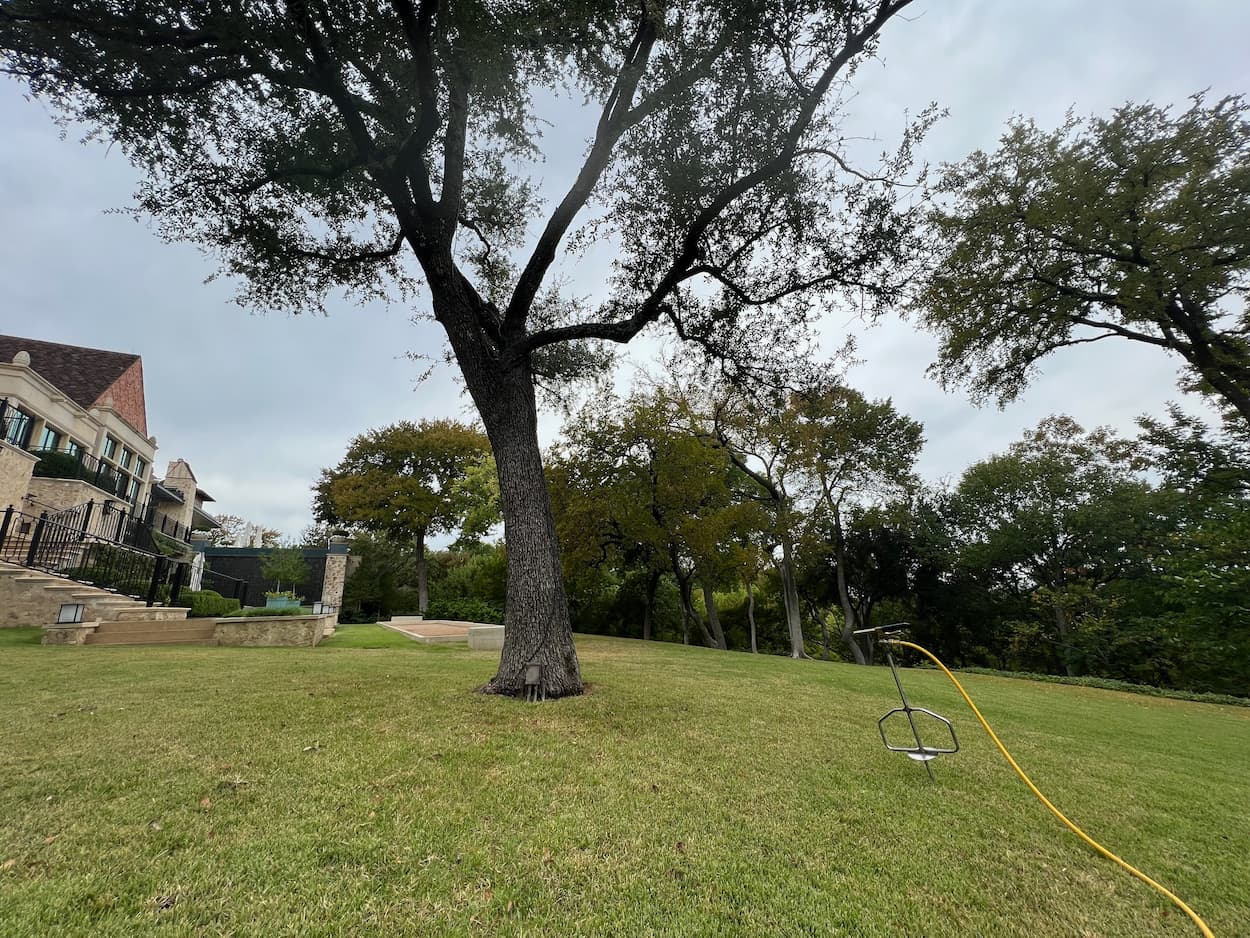
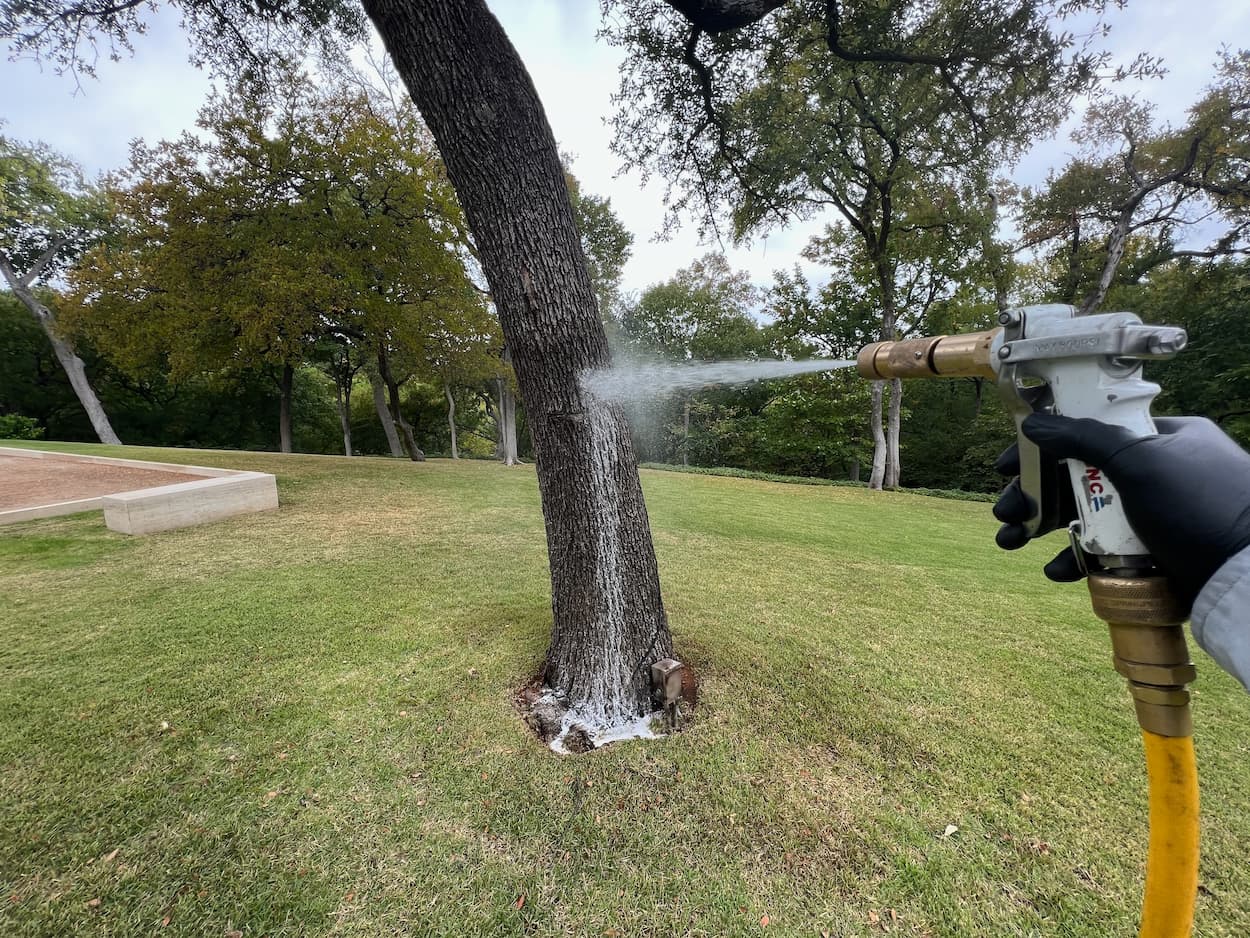
If you are in need of Tree & Shrub Pest Treatment Services in Mildred, TX, please get in touch with Arborist USA today by calling us at (817) 880-6130, your Tree & Shrub Disease Specialist.
Tree & Shrub Pest Treatment in Mildred, TX: What Homeowners Should Know
Tree and shrub pest treatment starts with identifying the insect and how much damage it is causing, then using the most targeted option — trunk injection, soil application, or a precise spray — so the tree recovers without harming beneficial insects. Arborist USA provides tree & shrub pest treatment in Mildred, TX and throughout Navarro County. For a free assessment from a certified arborist, call (817) 880-6130.
About Mildred, Texas
Mildred, in Navarro County, is home to about 399 people (2020), covering roughly 2.4 square miles. It sits about 430 feet above sea level. The community dates back to 1897, so many properties here have mature, established trees.
With about 166 residents per square mile, Mildred’s yards and landscapes sit close together, so bagworms, webworms, scale and lace bugs move easily from one property to the next. We see the most pest pressure on cedar elm, live oak, post oak and pecan here, especially on trees already stressed by heat and drought.
Tree and soil conditions in Mildred and Navarro County
Most yards in the Mildred area are built on Blackland Prairie clay — deep, dark soils that shrink and crack in drought and stay waterlogged after heavy rain. The trees we care for most often here are cedar elm, live oak, Shumard red oak, bur oak and pecan. That is why we start every visit by checking the soil and root zone, not just the canopy.
Common tree problems we see around Mildred
- Soil compaction and poor drainage in heavy clay
- Cotton root rot, which thrives in alkaline clay soils
- Iron chlorosis (yellow leaves) on oaks, pin oaks and maples
- Drought cracking that tears fine roots in summer
Signs of tree and shrub pests in Mildred
- Bagworm or webworm bags in the canopy
- Sticky honeydew, sooty mold or scale on twigs
- Small exit holes, sawdust or bark cracks that point to borers
- Leaves that are stippled, curled or thinning early in the season
How our tree & shrub pest treatment process works
- We identify the pest and confirm it is the real cause of decline.
- We check the tree’s overall vigor, because stressed trees attract more insects.
- Treatment is matched to the pest and timed to its life cycle.
- We follow up to confirm control and recommend steps that keep trees resistant.
Why Mildred homeowners choose Arborist USA
We are a family-owned Fort Worth company led by Henry Friar, ISA Certified Arborist TX-270627A. Arborist USA is TCIA Member #268065 and holds Texas Department of Agriculture (TDA) License No. 1008483. We focus on diagnosing the real cause of a tree problem and treating it to industry standards — not just cutting. Learn more about our tree pest control or our certified arborists in Fort Worth.
Tree & Shrub Pest Treatment FAQ for Mildred, TX
What tree pests are common in Mildred?
In North Texas we regularly treat bagworms, webworms, scale insects, aphids, lace bugs, spider mites and wood-boring beetles such as the two-lined chestnut borer.
Is tree injection safe for kids and pets?
Trunk injections place treatment inside the tree’s vascular system, so there is little to no drift or residue on the lawn.
When is the best time to treat tree pests?
It depends on the insect. Many are treated in spring as they become active, while borers are often managed preventively before peak egg-laying.
Tree & Shrub Pest Treatment Near Mildred
We also provide tree & shrub pest treatment in nearby communities: Eureka, Navarro, Angus, Roane, Oak Valley, Dresden.
Other tree services in Mildred
Ready to protect your trees in Mildred? Call (817) 880-6130 or request a free assessment.
Signs of a Sick Tree or Sick Shrub
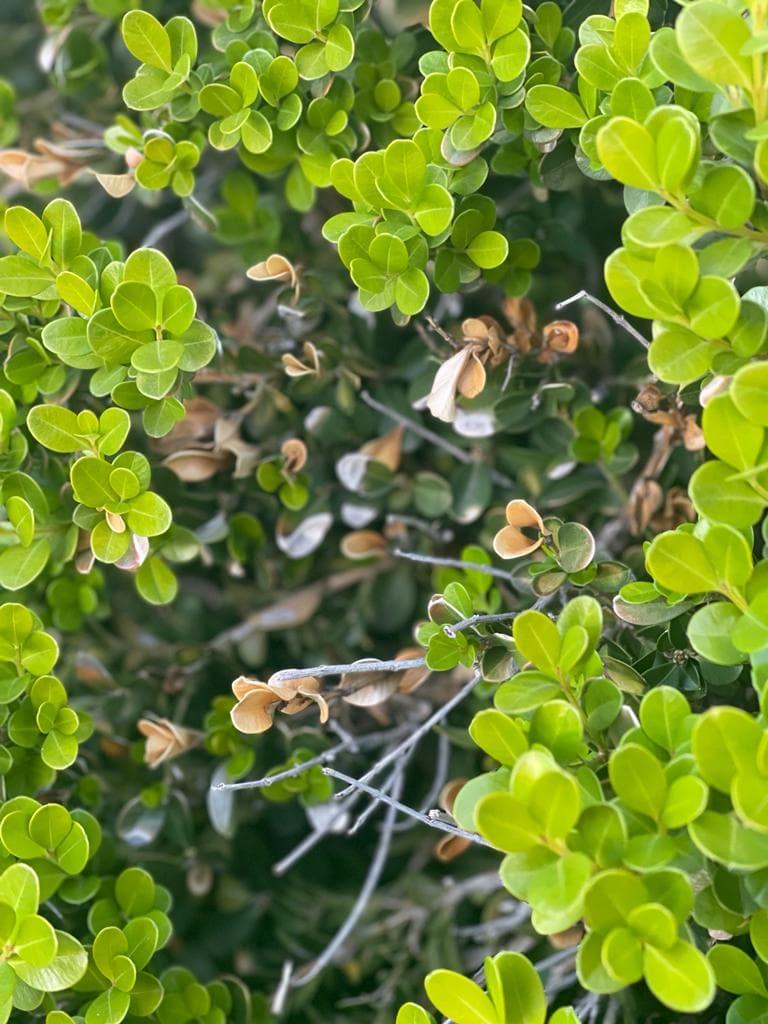
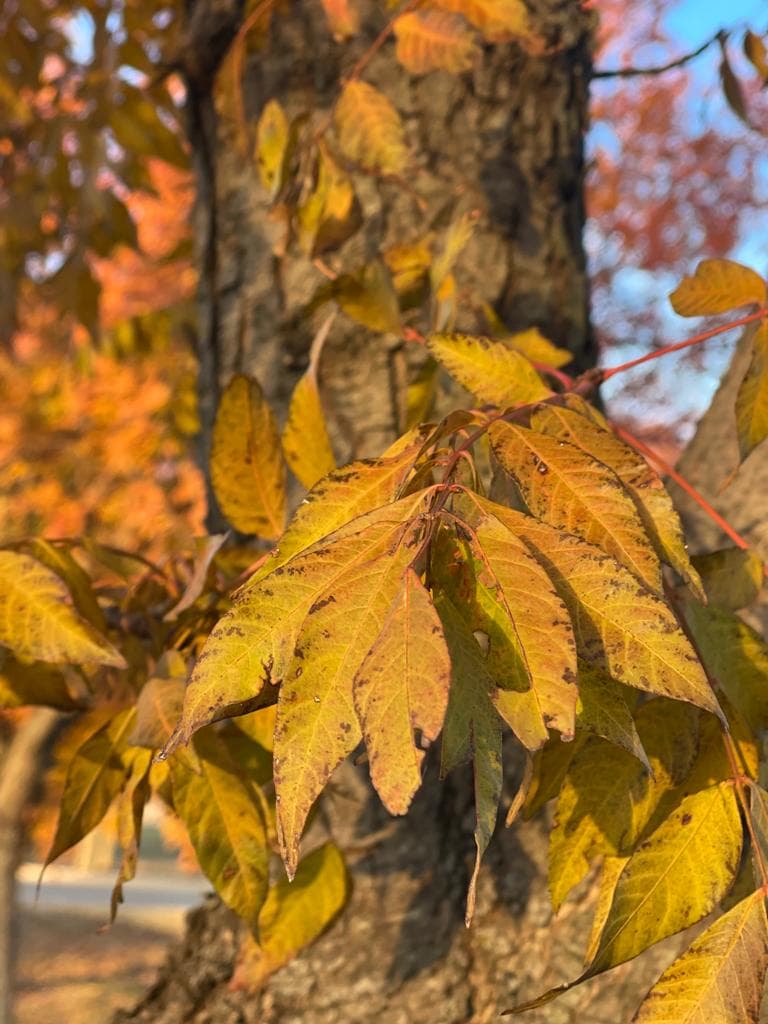
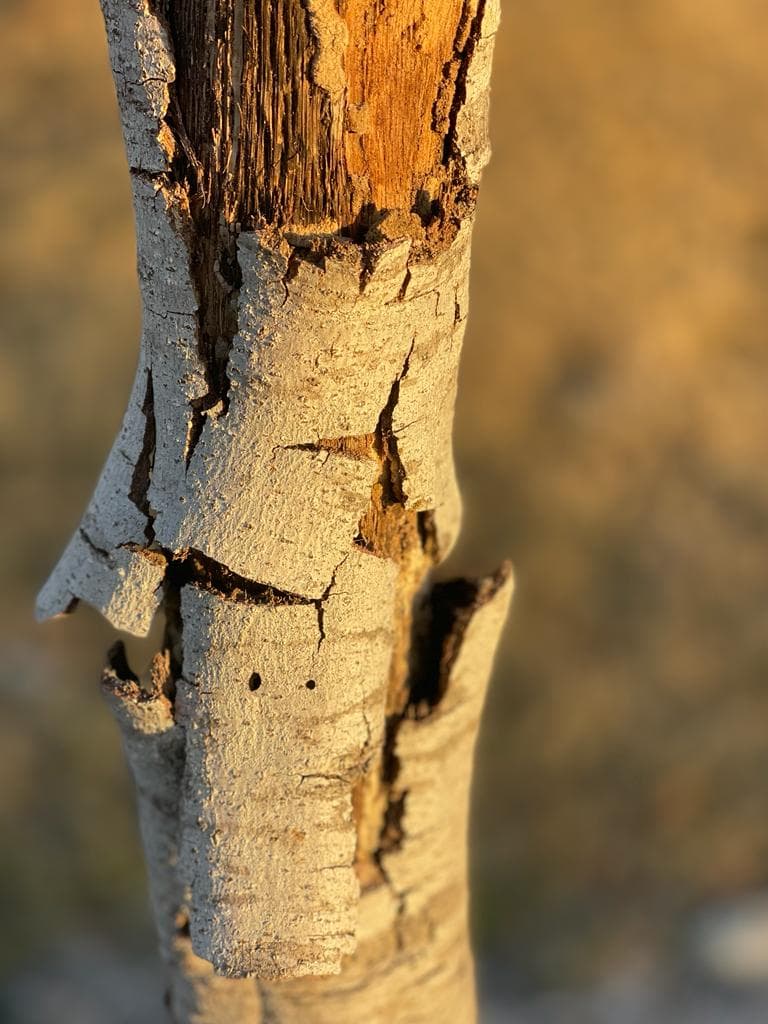
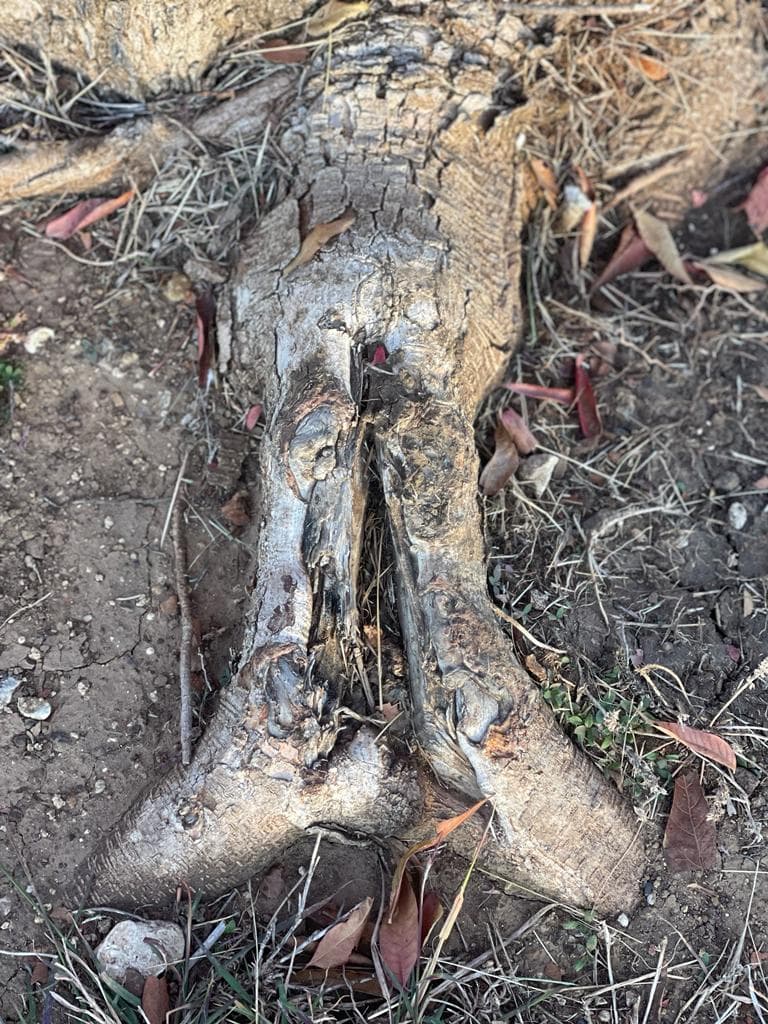
- Dead Branches
- Yellowing Leaves
- Fungi or Decay
- Bark Falling Off
- Discolored or Rusted Leaves
- Dying Tree or Shrub
- Leaf Discoloration
- Root or Insect Damage
- Leaves look like they’re being eaten
- Bark is Peeling
- Holes in leaves
- Holes on Bark or Branches
- Stunted Growth
- Canopy Dieback
- Bark Abnormalities
- Wilting
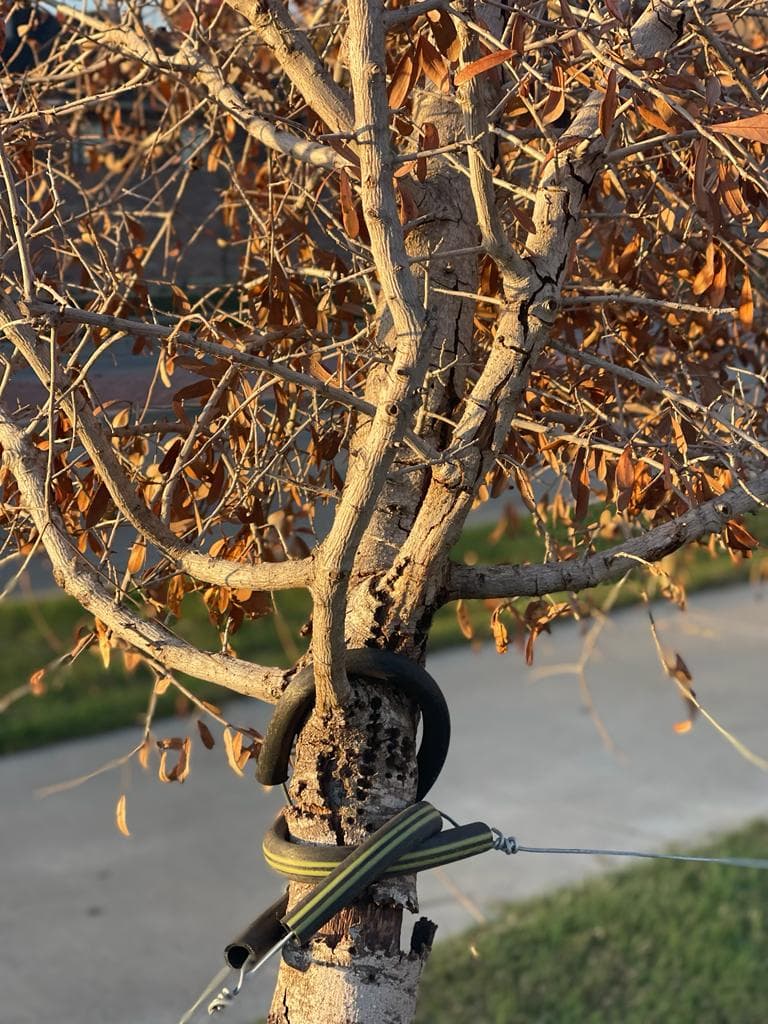
Tree & Shrub Helpful Tips
Balancing Systemic Insecticides with Biological Control
For pests that infiltrate tree barks or foliage, Mildred employs systemic insecticides. While they are potent, these insecticides have been engineered to minimize impact on non-target species, highlighting Mildred’s commitment to protecting their surrounding environment. Biological control also forms a crucial element of Mildred’s pest management. By encouraging the prosperity of beneficial insects, like ladybugs and lacewings, the town maintains ecological balance and minimizes the need for chemical interventions. It’s a simple, effective way of making nature work hand in hand with pest management strategies.
Mildred’s Blueprint for Sustainable Pest Management
Preventive measures are a vital part of the pest management regime in Mildred. Regular pruning, employing plant health care practices, and emphasis on preventative vigilance contributes to the town’s robust defense against infestations and ensuing plant disease. In a bid to prevent pest immunity against treatments, Mildred has adopted a rotating pest treatment strategy. This ensures the continued success of their initiatives while keeping steps ahead of evolving pests. Coexisting with this, Mildred works closely with professional pest consultants and certified arborists. Their expert inputs aid in keeping the town’s pest treatments updated with the latest in pest control innovation and advancements, Pulling together early pest detection, use of organic pest control methods, systemic insecticides, biological control, preventive measures, rotating treatment strategies, and professional consultation, Mildred has devised a comprehensive and effective strategy. This embodies their commitment to safe, efficient, and sustainable pest management.
Using a mix of traditional practices and modern scientific interventions, Mildred tackles pest infestations while maintaining the health and vitality of its green spaces. Continually updating their approach based on changing pest patterns shows their determination to create a sustainable and effective pest management strategy. By prioritizing and effectively managing the health and variety of their flora, Mildred, Texas, ensures the longevity of their natural beauty. In doing so, their strategy provides a successful blueprint for other communities striving for efficient, sustainable pest management while safeguarding their environment and future generations.
If you’re concerned or have any further questions about our Tree & Shrub Pest Treatment Services in Mildred, TX, or surrounding areas in North Texas, please call us at (817) 880-6130.
Tree & Shrub Pests
Listed below are common Tree & Shrub Pests found in Texas.
Aphids
A white soft body insect that creates a sticky "honey dew" structure on limbs or leaves, blocking nutrients.
Bagworms
Bagworms lay eggs that create small cone-shaped structures less than three inches in length.
Beetles
An invasive wood borer that is subject in all wood tissue that causes severe decline in trees health.
Gypsy Moth
A larva that boars into leaf structure that cause lesser of a foliation and decline in overall leaf structure.
Oak Gall
A growth deformity known as a "gall" commonly occur on oak trees subject to branches and other structures.
Termites
Termites, wood-destroying insect, eats away at all wood tissue, damaging the structures of the trees.
Twig Girdlers
Being a member of the long-horned beetle family, these girdlers are known to eat leaf and other tree areas.
Webworms
These caterpillars spin white webbing bag nests in tree branches and eat your tree foliage (leaves).
Certifications


Our Reviews

A+ BBB Rating based on 31 BBB Reviews
4.8/5.0 based on 83 Top Rated Local Reviews
4.6/5.0 based on 36 Facebook Reviews
4.0/5.0 based on 4 Trust Pilot Reviews

4.9/5.0 based on 90 Google Reviews
4.5/5.0 based on 13 Yelp Reviews
29 Recommendations on Nextdoor
Total Reviews: 286  Real Customer Reviews