 4.9 (349 Reviews)

Southern Live Oaks (Quercus virginiana) are among the most iconic and resilient trees in Texas landscapes. Their broad canopies, dense evergreen foliage, and structural strength make them one of the most valuable shade trees throughout Granbury and surrounding North Texas communities.
However, even mature live oaks can experience severe decline when fungal pathogens and environmental stress begin affecting the canopy and vascular system simultaneously.
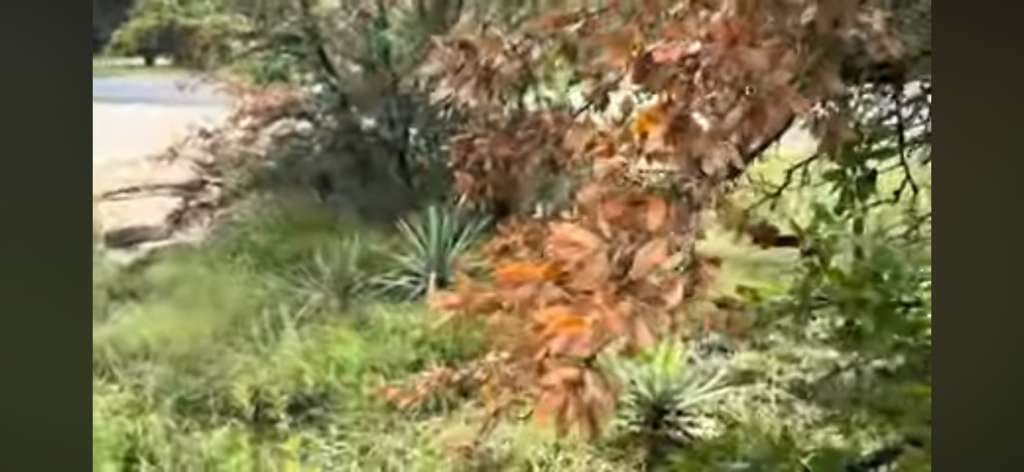
At Arborist USA, we were recently called out to inspect several Southern Live Oaks in Granbury, Texas showing:
- Sparse canopy density
- Progressive defoliation
- Necrotic foliage tissue
- Twig dieback
- Thinning interior canopy
- Declining vigor
Following laboratory testing, the findings confirmed:
- Anthracnose fungal infection
- Twig canker infection
The good news is that these trees are growing in sandy loam soil with proper drainage, which gives them a much stronger recovery potential compared to live oaks suffering from root-zone hypoxia or chronic oversaturation.
However, substantial canopy stress is already present, and immediate plant healthcare intervention is necessary to reduce fungal pressure, preserve live foliage, and stimulate regeneration growth moving into the next growing season.
Why Southern Live Oaks Are So Important in Granbury, Texas
Southern Live Oaks are one of the most valuable long-term tree species in Texas.
These trees provide:
- Massive shade canopies
- Cooling reduction for homes
- Wildlife habitat
- Carbon sequestration
- Increased property value
- Wind buffering
- Historic landscape value
Many mature live oaks in Granbury have existed for decades and become defining features of the landscape.
Preserving these trees whenever possible is extremely important.
That is why proper diagnosis and science-based plant healthcare matter so much when fungal pathogens begin affecting the canopy.
Laboratory Findings Confirmed Anthracnose and Twig Canker
During this inspection, canopy samples and symptomatic tissue were submitted for laboratory analysis.
The results confirmed:
- Anthracnose fungal activity
- Twig canker infection
This combination can create severe canopy thinning and progressive branch decline if not managed properly.
One of the most important things homeowners need to understand is that fungal pathogens often become more aggressive when trees experience environmental or physiological stress.
The fungus itself is not always the original problem.
In many cases:
- stress weakens the tree first
- then fungal pathogens colonize vulnerable tissue
This is especially common following:
- abnormal rainfall cycles
- prolonged humidity
- fluctuating temperatures
- drought stress
- freeze events
- insect pressure
What Is Anthracnose?
Anthracnose is a fungal disease affecting leaves, petioles, twigs, and small branch tissue on many hardwood species throughout Texas.
According to Texas A&M AgriLife Extension and ISA references, anthracnose fungi commonly infect:
- young leaf tissue
- succulent spring growth
- stressed foliage
- developing shoots
The disease thrives during:
- cool wet weather
- prolonged moisture retention
- high humidity
- reduced airflow through the canopy
This is why anthracnose outbreaks are commonly seen during wet spring seasons across North Texas.
Symptoms of Anthracnose on Southern Live Oaks
Common symptoms include:
- Necrotic leaf spotting
- Browning tissue along leaf margins
- Premature defoliation
- Sparse canopy density
- Blighted foliage
- Twig dieback
- Delayed canopy development
- Stress-related foliage thinning
The trees on this Granbury property are already exhibiting significant canopy thinning and defoliation associated with anthracnose pressure.
Why Defoliation Is Dangerous for Live Oaks
One of the biggest concerns with anthracnose is premature foliage loss.
Leaves are not cosmetic.
Leaves are the tree’s energy production system.
Through photosynthesis, leaves produce carbohydrates that fuel:
- root development
- canopy growth
- defense systems
- vascular function
- stress recovery
When significant defoliation occurs:
- carbohydrate reserves decline
- root vigor weakens
- fungal susceptibility increases
- stress tolerance decreases
This is particularly dangerous heading into Texas summer heat.
If canopy density continues declining before peak summer temperatures arrive, the tree may struggle maintaining adequate carbohydrate reserves throughout the season.
What Is Twig Canker?
Twig canker is another fungal condition affecting small branches and twig tissue throughout the canopy.
According to Texas A&M references, twig canker fungi commonly infect:
- stressed shoots
- weakened twigs
- injured branch tissue
- moisture-stressed canopy areas
The disease causes:
- progressive twig dieback
- vascular disruption
- branch-tip mortality
- canopy thinning
In many cases, anthracnose and twig canker occur simultaneously because both conditions thrive in stressed canopy environments.
Why Proper Drainage Helps These Trees
One positive factor on this property is the soil profile.
The trees are planted in:
Sandy Loam Soil
This is important because sandy loam provides:
- improved drainage
- better oxygen exchange
- healthier root respiration
- lower water retention
Compared to compacted clay soils, sandy loam creates a much healthier environment for Southern Live Oaks.
Proper drainage reduces:
- root hypoxia
- stagnant moisture
- fungal root pressure
- oxygen deprivation
This greatly improves long-term recovery potential.
Why Pruning Cannot Be Performed Right Now
Although these trees contain substantial dead tissue, structural pruning is being delayed intentionally.
This is critically important in Granbury, Texas because Hood County continues experiencing significant Oak Wilt pressure throughout the region.
Oak Wilt remains one of the most destructive vascular diseases affecting live oaks in Texas.
Fresh pruning wounds attract sap-feeding beetles capable of transporting oak wilt fungal spores.
According to Texas A&M Forest Service, pruning live oaks during high-risk periods can increase the likelihood of oak wilt transmission.
That is why deadwood removal and structural pruning will be postponed until winter dormancy when vector activity declines significantly.
This follows:
- Texas A&M recommendations
- TCIA best management practices
Why Oak Wilt Prevention Is Still Necessary
Even though these trees tested positive for anthracnose and twig canker, oak wilt prevention remains critically important.
Trees already under fungal stress become:
- physiologically weaker
- carbohydrate depleted
- more susceptible to secondary disease pressure
Oak Wilt prevention treatments help protect the vascular system before additional stress occurs.
This is especially important in Granbury where oak wilt activity continues expanding throughout live oak populations.
Our Plant Healthcare Treatment Protocol
The treatment protocol for these Southern Live Oaks focuses on:
- Reducing fungal pressure
- Supporting regeneration growth
- Improving canopy density
- Preserving carbohydrate reserves
- Protecting against oak wilt
- Reducing insect-related stress
Antifungal Treatments for Anthracnose
Systemic antifungal applications will be used to help suppress anthracnose fungal activity throughout the canopy.
The objective is:
- protecting healthy tissue
- reducing fungal spread
- preserving remaining foliage
- supporting new growth development
Healthy foliage retention is critical during recovery.
High-Nitrogen Regeneration Support
A major component of this treatment program includes:
21% Nitrogen Applications
Nitrogen plays a critical role in:
- chlorophyll production
- foliage regeneration
- canopy development
- vegetative growth
The goal is stimulating:
- new foliage production
- epicormic growth
- denser canopy response
This is especially important after significant defoliation events.
Why IPM Is Included in the Program
Integrated Pest Management (IPM) is another major component of this treatment plan.
Stressed live oaks often become vulnerable to:
- chewing insects
- boring insects
- secondary pest pressure
- vascular-feeding insects
These pests further weaken already stressed trees.
The IPM program helps:
- reduce additional stress
- protect vascular integrity
- preserve foliage
- improve long-term stability
Why Carbohydrate Preservation Matters
One of the most overlooked concepts in arboriculture is:
Carbohydrate Management
Trees survive stress by utilizing stored carbohydrate reserves.
These reserves fuel:
- compartmentalization
- root regeneration
- new foliage growth
- defense systems
When defoliation becomes severe:
- carbohydrate production collapses
- stress tolerance decreases
- decline accelerates
This is why preserving live foliage is critically important during anthracnose recovery.
Long-Term Outlook for These Live Oaks
Because these trees still have:
- proper drainage
- sandy loam soils
- structurally viable canopies
- remaining live foliage
the prognosis remains cautiously optimistic if treatment begins quickly.
The biggest priorities moving forward are:
- reducing fungal pressure
- preserving foliage
- stimulating regeneration
- protecting vascular health
- preventing secondary disease stress
Why Early Diagnosis Matters
One of the biggest reasons trees decline rapidly is delayed diagnosis.
Many homeowners wait until:
- major branch dieback occurs
- severe defoliation develops
- canopy collapse becomes visible
By that stage:
- stress reserves are already depleted
- fungal pressure has advanced
- recovery becomes more difficult
Early intervention dramatically improves stabilization potential.
Final Thoughts
This Granbury property is a strong example of how multiple fungal pathogens can aggressively affect Southern Live Oaks following environmental stress and canopy decline.
Laboratory testing confirmed:
- Anthracnose
- Twig canker
The trees are now exhibiting:
- sparse canopy density
- necrotic foliage
- progressive defoliation
- declining vigor
Fortunately, proper drainage and sandy loam soil conditions provide a stronger recovery environment compared to many live oaks growing in compacted or oversaturated soils.
Our treatment protocol focuses on:
- antifungal support
- high-nitrogen regeneration
- IPM management
- oak wilt prevention
- long-term canopy preservation
At Arborist USA, our goal is not simply treating symptoms.
Our goal is preserving mature live oaks through science-based diagnostics, TCIA plant healthcare protocols, and long-term environmental management.
For general tree-care best practices, homeowners can also reference guidance from the Texas A&M Forest Service, https://tfsweb.tamu.edu/trees/, a trusted authority on Texas tree health.
Schedule a professional inspection. Early detection and scientific intervention are the difference between preservation and loss. If you’d like to speak to an arborist, please call us at 817-880-6130 or visit https://www.arboristusa.com/