 4.9 (349 Reviews)
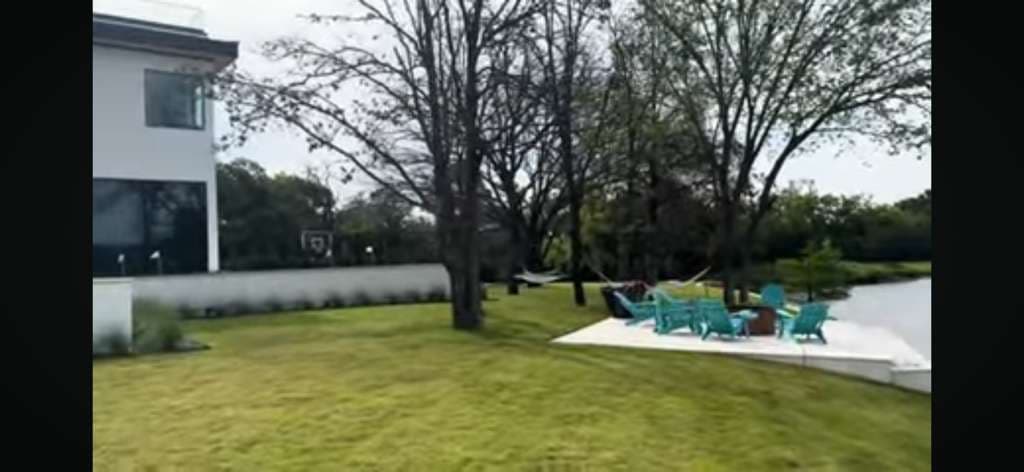
In Westlake, Texas, I was called out to inspect a newly constructed residential property where multiple native trees have declined or become postmortem following construction activities. This site provides a textbook example of how improper construction practices can disrupt soil ecology, suffocate root systems, and ultimately lead to the loss of valuable native trees.
The species under inspection include Red Mountain Cedar (Juniperus spp.), Savannah Post Oak (Quercus stellata var. margarettae), and American Elm (Ulmus americana). These are well-adapted native species to North Texas conditions, yet even these resilient trees are highly vulnerable when their root systems are compromised.
⸻
What Went Wrong – A Breakdown of Construction Impacts on Tree Health
During my inspection, I identified several critical issues that have collectively led to the decline of approximately 17 native trees on the property.
Grass Installation to the Root Flare (Telephone Pole Effect)
One of the most damaging practices observed was the installation of turfgrass directly up to the trunk, covering the root flare.
This created what arborists refer to as a “telephone pole effect,” where the base of the tree appears buried and cylindrical rather than flared.
This leads to:
- Oxygen deprivation at the root collar
- Increased moisture retention against the bark
- Development of basal decay and girdling roots
- Reduced gas exchange in the root zone
The root flare is where the tree transitions from trunk to roots. It must remain exposed and breathable for proper function.
⸻
Soil Grading – Raising the Soil by 12 Inches
The property underwent soil grading that raised the natural soil level by approximately 12 inches around the trees.
From a scientific standpoint, this is extremely damaging.
Tree roots rely on:
- Oxygen diffusion
- Carbon dioxide exchange
- Microbial activity
When soil is added:
- Oxygen is displaced
- Roots are buried beyond their tolerance zone
- Soil density increases, limiting pore space
This results in root hypoxia, where roots cannot respirate.
According to Texas A&M AgriLife Extension, even a few inches of added soil can significantly reduce oxygen availability and lead to root decline.
⸻
Irrigation Hitting the Trunk (First 12 Feet of Stem)
The irrigation system was installed in a way that sprays directly onto the trunks of the trees.
This is a major issue because:
- Bark is not designed for constant moisture exposure
- Leads to fungal colonization and bark decay
- Encourages pathogens and insect activity
- Increases risk of bacterial wetwood and rot
The first 12 feet of the trunk should remain dry and protected.
⸻
Electrical Boxes Installed at the Root Flare
Electrical infrastructure was installed directly within the critical root zone (CRZ) and in some cases directly against the root flare.
This causes:
- Physical root damage
- Compaction from installation
- Disruption of vascular flow
- Long-term structural instability
The CRZ is the most sensitive area of a tree, and disturbance here often leads to irreversible decline.
⸻
Lack of Tree Preservation Zones During Construction
There was no evidence of tree protection fencing or preservation zones during construction.
According to standards from:
- International Society of Arboriculture
- Tree Care Industry Association
Tree protection zones are critical to:
- Prevent soil compaction
- Avoid root damage
- Maintain existing soil structure
- Protect long-term tree health
Without these protections, heavy equipment traffic likely compacted soil and destroyed feeder roots.
⸻
The Science – Root Suffocation and Hypoxia
Trees do not just “drink” water. They must also respirate.
Roots require:
- Oxygen for cellular respiration
- Gas exchange through soil pore spaces
When soil becomes compacted or oversaturated:
- Oxygen levels drop
- Carbon dioxide accumulates
- Root metabolism slows
This condition is called hypoxia.
For species like Red Mountain Cedar (Juniperus spp.), the problem is even more severe.
Conifers rely on tracheids, which are narrow cells that move water slowly. Unlike hardwoods with vessels, they are far less tolerant of waterlogged soils.
This means:
- Water saturation lingers longer
- Roots suffocate faster
- Decline happens more rapidly
⸻
Soil Oversaturation and pH Imbalance
The introduction of turfgrass combined with irrigation has created chronic oversaturation.
This leads to:
- Elevated soil pH (alkaline conditions)
- Nutrient lockout (iron, manganese, zinc)
- Reduced microbial diversity
- Decline in root function
Grass also competes aggressively with trees for:
- Water
- Nutrients
- Oxygen
This creates a hostile environment for native tree roots.
⸻
Post Oak Decline and Hypoxylon Canker
The Savannah Post Oaks (Quercus stellata var. margarettae) on this property are already showing signs of Hypoxylon canker, a serious fungal disease.
Hypoxylon is not the primary cause of decline. It is a secondary pathogen that attacks trees already under severe stress.
Symptoms include:
- Bark sloughing off
- Powdery fungal masses
- Rapid canopy dieback
- Structural failure
Once Hypoxylon is visible, the tree is typically in end-stage decline and considered postmortem.
⸻
Cascading Failure – How These Events Led to Tree Loss
This site demonstrates a classic cascade of failure:
- Soil grading buried root systems
- Turfgrass increased water retention
- Irrigation caused oversaturation
- Compaction reduced oxygen
- Roots entered hypoxia
- Nutrient uptake declined
- Trees weakened
- Fungal pathogens took hold
- Trees became postmortem
Approximately 17 native trees have been lost as a result.
⸻
Why Pre-Construction Arborist Involvement is Critical
This entire situation could have been prevented.
According to ISA and TCIA standards, a certified arborist should be involved before construction begins to:
- Establish tree preservation zones
- Define critical root zones (CRZ)
- Prevent soil grading near trees
- Design irrigation systems correctly
- Protect soil structure and biology
Failure to follow these protocols often results in long-term tree decline and costly losses.
⸻
Key Takeaways for Property Owners and Builders
If you are building or renovating a property with existing trees:
- Never bury the root flare
- Avoid adding soil around trees
- Keep grass at least 3 feet away from the trunk
- Do not allow irrigation to hit the bark
- Protect trees with fencing during construction
- Avoid compaction in the root zone
- Always consult a certified arborist before starting
⸻
Final Thoughts
The trees on this property did not fail because they were weak. They failed because their environment was altered beyond their ability to adapt.
Even the most resilient native species in North Texas cannot survive when their root systems are suffocated, buried, and deprived of oxygen.
This is why proper planning, preservation, and plant health care are essential when working around mature trees.
For general tree-care best practices, homeowners can also reference guidance from the Texas A&M Forest Service, https://tfsweb.tamu.edu/trees/, a trusted authority on Texas tree health.
Schedule a professional inspection. Early detection and scientific intervention are the difference between preservation and loss. If you’d like to speak to an arborist, please call us at 817-880-6130 or visit https://www.arboristusa.com/