 4.9 (349 Reviews)
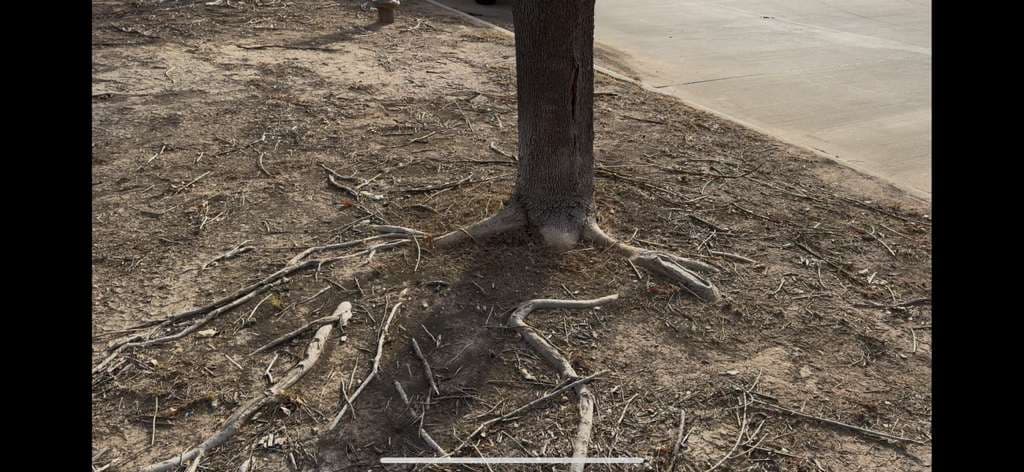
Covering tree roots with soil or sod causes tree decline. Trees are living organisms that rely on continuous gas exchange to survive. One of the most common and damaging landscape practices observed by certified arborists is the placement of soil or sod over protruding root systems or against the base of the trunk. While this practice may appear harmless or aesthetically pleasing, it directly interferes with how trees breathe and often leads to long-term decline. This article explains why covering roots and trunks is harmful, how it affects tree physiology, and what proper root-zone management entails according to the International Society of Arboriculture (ISA) and ANSI A300 standards.
Understanding Lenticels and Gas Exchange in Trees
Trees do not breathe the way animals do, but they still require oxygen to survive. Gas exchange in woody tissue occurs through specialized structures known as lenticels. Lenticels are small, porous openings found in the bark of trunks, stems, and some surface roots. Their primary function is to allow oxygen to enter and carbon dioxide to exit internal tissues so normal respiration can occur. Once bark forms, trees no longer rely on leaf stomata for respiration in woody tissue. Lenticels become essential for supplying oxygen to the cambium, phloem, and outer xylem. When lenticels are blocked or buried, gas exchange is restricted.
Why Covering Roots and Trunks Suffocates Trees
When soil grade is raised or sod is installed over protruding root systems, several physiological problems occur at the same time. First, soil physically blocks lenticels on surface roots and the lower trunk, reducing oxygen entry. Second, added soil retains moisture. Saturated soil contains significantly less oxygen than air-filled pore space, further limiting oxygen availability. Third, fill soil is often compacted, which restricts gas diffusion even when the surface appears dry. Together, these conditions deprive roots and lower trunk tissues of oxygen.
Hypoxia and Its Role in Tree Decline
Hypoxia is a condition where oxygen levels are too low to support normal cellular respiration. In trees, hypoxia primarily affects the root system. Roots require oxygen to convert stored carbohydrates into usable energy. When oxygen is limited, roots shift to anaerobic respiration, producing toxic byproducts such as ethanol and organic acids. Over time, hypoxic roots lose function, decline, and become susceptible to opportunistic pathogens.
Pathological Issues Linked to Hypoxic Root Systems
Low-oxygen conditions are strongly associated with
secondary disease development, including:
- Root rot pathogens such as Phytophthora
- Reduced nutrient and water uptake
- Crown thinning and branch dieback
- Increased insect pressure
- Structural root failure
- These conditions explain why soil buildup often leads to disease rather than simple stress.
Why Protruding Root Systems Should Never Be Buried
Protruding roots are not defects. They are a normal and healthy feature of many mature trees. Surface and buttress roots play a critical role in gas exchange, anchorage, and resource uptake. Covering these roots interferes with all three functions. According to ISA best management practices and ANSI A300 standards, altering soil grade within the critical root zone is considered a high-risk activity and should only be performed under the guidance of a certified arborist. Burying roots does not protect trees. It slowly suffocates them.
Proper Mulching Practices That Preserve Oxygen Exchange
Mulch can be highly beneficial when applied correctly and damaging when applied improperly. The goal of mulching is to protect soil moisture and temperature while preserving oxygen availability at the root collar.
Correct Mulch Guidelines for Tree Health
- Maintain a mulch-free space at least 12 inches (1
foot) from the trunk - Keep the root flare visible at all times
- Apply mulch no deeper than 2–4 inches
- Extend mulch outward, not upward
- Never pile mulch or soil against bark or surface roots
These practices allow lenticels to function properly
while supporting healthy root respiration.
How Arborists Evaluate Root Collar and Oxygen Issues
ISA Certified arborists trained under ISA standards assess tree health by examining the root flare, surface roots,soil grade, and trunk condition.
Common indicators of hypoxic stress include:
- Soil or mulch piled against the trunk
- Chronic decline despite adequate irrigation
- Fungal growth near the base of the tree
- Sparse foliage or premature leaf drop
- Abnormal bark cracking or swelling
- Restoring oxygen access is often one of the most
critical steps in a tree recovery plan.
Educating Homeowners Protects Trees Long-Term
Most root suffocation problems are unintentional. Homeowners are often attempting to improve lawn appearance or drainage without understanding the biological consequences. Education is essential. Understanding that trees require oxygen at the root collar helps prevent costly mistakes and protects long-term landscape value. Simple decisions, such as keeping soil and sod away from trunks, can add decades to a tree’s lifespan.
When to Consult a Certified Arborist
If soil or sod has already been installed over surface roots or against the trunk, corrective action may be required.
A certified arborist can determine:
- Whether root collar excavation is needed
- How much grade can be safely removed
- If root damage or disease is present
- What long-term management is appropriate
Early intervention is always more effective than waiting
until decline becomes severe.
If you’re looking for professional, dependable tree care, Arborist USA is here to help.
Conclusion
Trees depend on oxygen just as much as they depend on water and nutrients. Covering lenticels and surface roots with soil or sod interferes with gas exchange, leads to hypoxia, and increases the risk of pathological disease. For general tree-care best practices, homeowners can also reference guidance from the Texas A&M Forest Service, https://tfsweb.tamu.edu/trees/, a trusted authority on Texas tree health.
Healthy roots support healthy trees.