 4.9 (349 Reviews)
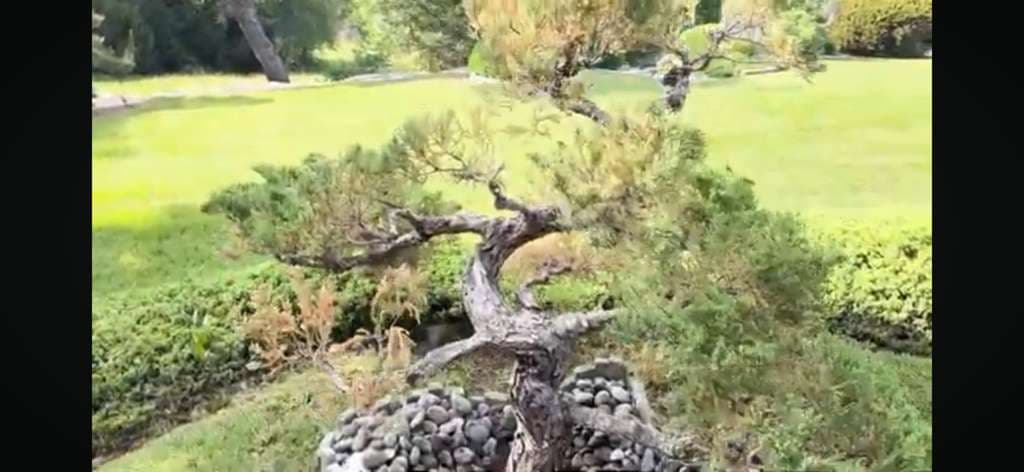
Diplodia tip blight is one of the most common and frustrating fungal problems we diagnose on junipers, pines, cypress, and other evergreen trees across North Texas. In Westlake, Texas, we recently inspected a site where the visible problem was browning tips, thinning foliage, and decline in the canopy, but the deeper issue was located at the root flare and root zone.
On this project, I noticed compacted clay soil around the root flare. That compacted soil was holding moisture, reducing oxygen exchange, and creating a stressed root environment. When roots cannot respirate properly, evergreen trees become much more vulnerable to Diplodia spp., tip blight, spider mites, root rot, and secondary pest pressure.
That is why this treatment plan was not just about spraying the foliage. The protocol included air spade soil decompaction around the root flare, followed by chelated iron, antifungal treatments, a strong IPM program, and micronutrients to restore vigor.
What Is Diplodia Tip Blight?
Diplodia tip blight is a fungal disease commonly associated with conifers, especially pines and juniper-type evergreens. Texas A&M Plant Clinic notes that Diplodia can be parasitic or saprophytic and has been found on juniper samples showing new growth yellowing and tip necrosis. Texas A&M also notes that Diplodia affects many pine and conifer species across much of the United States.
In simple terms, Diplodia is an opportunistic fungal pathogen. It often becomes active when the host plant is already weakened. The first symptoms are usually seen at the tips of branches, where foliage begins turning yellow, brown, or gray. Over time, the tips die back, branches thin, and the canopy loses density.
Common Symptoms of Diplodia on Junipers and Pines
Homeowners in Westlake, Southlake, Keller, Trophy Club, and surrounding North Texas communities should look for these symptoms:
- Browning branch tips
- Yellowing new growth
- Needle or scale-like foliage dieback
- Thinning canopy
- Dead twigs at the outer crown
- Progressive decline moving inward
- Increased spider mite or pest activity
- Root flare stress or wet, compacted soil
Diplodia is often not working alone. It frequently appears alongside spider mites, poor drainage, soil compaction, root stress, and micronutrient deficiency.
Why Compacted Clay Soil Makes Diplodia Worse
The biggest issue on this Westlake property was compacted clay around the root flare.
Evergreen roots need oxygen. When soil becomes compacted, the pore spaces that should hold oxygen are compressed. When clay soil also stays wet, water fills those spaces and pushes out oxygen. That creates root-zone hypoxia.
ISA research in Arboriculture and Urban Forestry explains that roots require oxygen, water, and mineral nutrients, and oxygen is necessary for aerobic root respiration, which supplies the energy needed for root function.
When oxygen is limited, roots cannot respirate correctly. That means the tree cannot efficiently absorb water, move nutrients, or support the canopy.
What Root-Zone Hypoxia Does to Evergreens
Root-zone hypoxia can lead to:
- Weak feeder roots
- Poor nutrient uptake
- Reduced water movement
- Lower carbohydrate production
- Thinning foliage
- Increased susceptibility to fungal disease
- Greater spider mite and insect pressure
This is why Diplodia becomes harder to control when the root system is suffocating. Fungicides may suppress fungal pressure temporarily, but if the roots stay compacted and oxygen-starved, the disease will keep returning.
Why an Air Spade Is Critical in This Treatment
On this Westlake project, we used an air spade tool to break up compacted soil around the root flare and restore oxygen exchange.
An air spade uses compressed air to safely loosen and remove soil without cutting through roots the way mechanical tools can. TCIA describes pneumatic air excavation as useful for root-related tree work and notes that it can remove soil from roots without the same type of damage caused by excavation equipment.
The National Park Service also explains that an air-powered excavation spade can relieve compaction around tree roots, loosening soil without damaging roots and allowing water and air to move more freely.
What Air Spading Does for the Root System
Air spading helps:
- Break compacted clay
- Restore oxygen exchange
- Expose root flare issues
- Improve drainage movement
- Reduce root suffocation
- Improve uptake of soil treatments
- Create a better environment for feeder roots
This is the most important part of the treatment. If the soil is not corrected, the tree remains under stress, and the disease pressure continues.
Why Fungicide Alone Is Not Enough
A common mistake in tree healthcare is treating the visible symptom instead of the root cause.
If a juniper or pine has Diplodia symptoms and the soil is compacted, a fungicide alone may give only temporary relief. The tree may green up slightly, but the disease often returns because the root system remains weak.
Oklahoma State Extension notes that Diplodia tip blight and canker is most severe on trees stressed by drought or environmental factors, and proper tree care, irrigation during drought, and maintaining fertility reduce the likelihood of infection.
That point is important. Diplodia is strongly connected to stress. If we reduce stress, we reduce disease pressure.
Our Treatment Protocol in Westlake, Texas
For this project, the treatment protocol included both root-zone correction and plant healthcare materials.
The first step was air spade decompaction around the root flare. This allowed us to open up the compacted clay and create oxygenation in the root zone. The goal was to restore respiration and help the roots function again.
After soil decompaction, we followed with chelated iron and antifungal treatments. Chelated iron helps address chlorosis and micronutrient availability, especially when high pH or compacted soil limits nutrient uptake. The antifungal treatment helps suppress Diplodia activity and reduce further tip blight progression.
We also included a strong IPM program. This is important because stressed evergreens often attract spider mites and other pests. Spider mites feed on foliage, reduce chlorophyll, and weaken the tree’s ability to photosynthesize. When spider mites and Diplodia occur together, decline accelerates.
Finally, we applied micronutrients to help rebuild vigor. Micronutrients support chlorophyll production, enzyme activity, tissue development, and the tree’s natural defense response.
Treatment Components
The Westlake protocol included:
- Air spade soil decompaction around the root flare
- Chelated iron for chlorosis and nutrient availability
- Antifungal treatment for Diplodia suppression
- IPM program for spider mites and pest pressure
- Micronutrients for vigor and canopy density
- Soil/root-zone support to improve oxygenation
Why Oxygenation Is the Foundation of Tree Recovery
Tree roots are living tissue. They need oxygen to convert stored carbohydrates into usable energy. Without oxygen, the tree’s energy system slows down.
When roots cannot respirate, the canopy suffers. That is when you start seeing browning tips, sparse growth, and dieback. The tree may look like it has a top-side disease, but the trigger is often below ground.
This is why air spading is such a powerful tool in plant healthcare. It does not just treat symptoms. It changes the root environment.
Once oxygen exchange improves, the tree can absorb treatments better. Chelated iron works better. Micronutrients work better. Fungicides work better. The IPM program works better because the tree is no longer fighting from a weakened condition.
Why Westlake Properties Are Vulnerable
Westlake, Texas and surrounding North Texas communities often have heavy clay soils. These soils can be difficult for evergreens because they hold water, compact easily, and limit oxygen movement.
In neighborhoods with irrigation systems, landscape beds, grade changes, and dense plantings, the root zone can stay too wet for too long. That creates the perfect environment for fungal problems and root decline.
Evergreens such as junipers, cypress, and pines need proper drainage and oxygen. When they are planted in compacted clay without good root-zone structure, they may survive for years but slowly weaken. Eventually, a stress year exposes the problem.
How Diplodia Contracts and Spreads
Diplodia survives on infected plant tissue, dead needles, cones, twigs, and branch material. Spores are released during wet conditions and can infect new growth, especially when the plant is stressed.
The fungus can move through the canopy by infecting tender new tissue and weakened branch tips. It is commonly more severe where plants have poor air movement, high moisture, drought stress, compacted roots, or pest pressure.
Mitigation must include sanitation and cultural correction. Removing necrotic tissue can reduce fungal load. Improving airflow helps reduce moisture retention. Correcting soil compaction reduces stress. Fungicides can help protect new growth, but they are only one part of the program.
Best Management Practices for Diplodia and Tip Blight
A science-based mitigation plan should include:
- Correct diagnosis
- Removal of dead or infected tips where appropriate
- Tool sanitation between cuts
- Air spading where soil is compacted
- Drainage correction where waterlogging exists
- Antifungal treatment
- IPM program for mites and insects
- Micronutrients and soil support
- Ongoing monitoring
The goal is not to promise a cure for severely infected tissue. Dead tissue does not come back. The goal is to protect living tissue, reduce stress, and help the plant produce healthier growth moving forward.
When Homeowners Should Call an ISA Certified Arborist
If you are in Westlake, Southlake, Keller, Trophy Club, Roanoke, or Fort Worth and your junipers, pines, or evergreens are turning brown, do not assume it is just heat stress.
You may be dealing with a combination of:
- Diplodia tip blight
- Spider mites
- Root rot
- Soil compaction
- Poor drainage
- Micronutrient deficiency
The right diagnosis matters. If the problem is below ground and you only spray the foliage, you may spend money without solving the issue.
Final Thoughts
This Westlake project is a strong example of real plant healthcare. We were not just spraying a fungus. We were correcting the stress environment that allowed the fungus to become active.
By using an air spade to break up compacted clay around the root flare, we restored oxygen movement into the root zone. Then we followed with chelated iron, antifungal treatments, IPM, and micronutrients to support recovery.
That is the correct order:
- Fix the root environment.
- Suppress the disease.
- Control pest pressure.
- Rebuild tree vigor.
When you solve the root problem, the tree finally has a chance to respond.
For general tree-care best practices, homeowners can also reference guidance from the Texas A&M Forest Service, https://tfsweb.tamu.edu/trees/, a trusted authority on Texas tree health.
Schedule a professional inspection. Early detection and scientific intervention are the difference between preservation and loss. If you’d like to speak to an arborist, please call us at 817-880-6130 or visit https://www.arboristusa.com/
In this video, I’m walking you through exactly what happened, the science behind it, and how these issues could have been prevented. We are looking at native species including Red Mountain Cedar (Juniperus spp.), Savannah Post Oak (Quercus stellata var. margarettae), and American Elm (Ulmus americana). These are strong, well-adapted North Texas trees, but even they cannot survive when their root systems are compromised. What I found on this property is a combination of cascading environmental and construction-related stress factors that ultimately led to root suffocation and tree death.