 4.9 (349 Reviews)
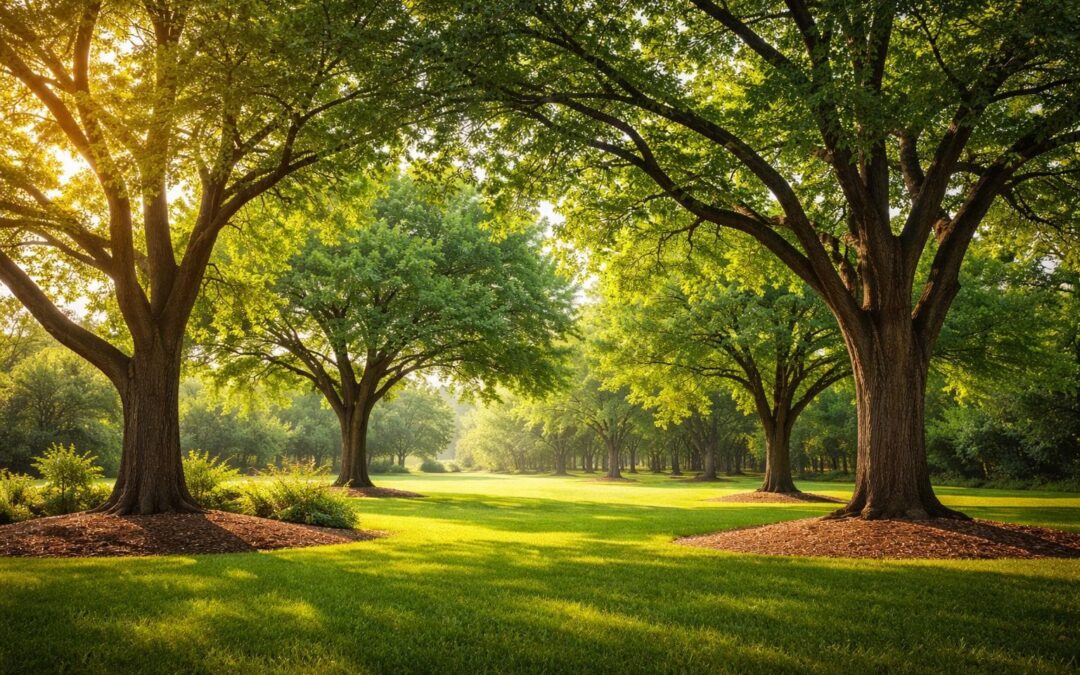
Hardwood trees are a major asset to properties across the Dallas–Fort Worth area. Species such as live oak, red oak, cedar elm, pecan, and ash provide shade, structure, and long-term value. Keeping these trees healthy requires proper evaluation, correct seasonal care, and an understanding of how North Texas environmental conditions affect tree health. This blog follows ISA (International Society of Arboriculture) and TCIA (Tree Care Industry Association) evaluation principles. Homeowners can safely perform basic care without breaking any legal or safety standards, but a certified arborist evaluation is always recommended for accurate diagnosis and long-term planning.
Understanding Hardwood Tree Health
Tree health is determined by how well the root system, trunk, and canopy function together. Decline often begins below ground before visible symptoms appear.
Root System and Soil Health
Roots require oxygen, proper moisture balance, and uncompacted soil. In North Texas, heavy clay soils and poor drainage are common causes of root stress.
Homeowner tips:
- Avoid over-watering
- Prevent soil compaction over the root zone
- Do not pile soil or mulch against the trunk
- Keep the root flare visible
Proper Mulching Practices
Mulching is one of the most effective and homeowner-friendly ways to support tree health when done correctly.
How to Mulch Correctly
- Apply mulch in a wide ring under the drip line
- Maintain a depth of 3–4 inches
- Keep mulch pulled back from the trunk
- Never create mulch volcanoes
- Proper mulching helps regulate soil moisture, protect roots, and support beneficial soil biology.
Drainage and Irrigation in North Texas
North Texas experiences both drought conditions and sudden heavy rainfall. Both extremes can negatively affect hardwood trees.
Signs of Poor Drainage
- Yellowing or thinning foliage
- Reduced leaf size
- Fungal growth near the base of the tree
- Early leaf drop
- Water trees deeply and infrequently to encourage strong, stable root systems.
Pruning Practices and Seasonal Timing
Pruning should always follow ANSI A300 standards to maintain tree structure and reduce stress.
Homeowner Pruning Guidelines
- Avoid excessive pruning
- Never top hardwood trees
- Do not remove more than necessary in one season
- Avoid pruning during extreme heat
- Certain species, such as oaks, have seasonal pruning restrictions to reduce disease risk.
Environmental Challenges in the DFW Area
Hardwood trees in the Dallas–Fort Worth region face unique environmental stressors.
Common Stress Factors
- Prolonged summer heat
- Clay soil compaction
- Construction damage to roots
- Sudden temperature swings
- Increased pest and disease pressure
- Trees under stress become more vulnerable to insects, fungal diseases, and structural failure.
When to Call a Certified Arborist
Homeowners can manage basic care safely, but professional evaluation is critical when decline or risk is present.
Situations That Require an Arborist Evaluation
- Large dead limbs or canopy dieback
- Cracks, cavities, or fungal growth on the trunk
- Sudden decline in foliage health
- Trees near homes, driveways, or walkways
- A certified arborist can properly assess tree health, identify risks, and recommend treatments that follow ISA and TCIA
standards.
Protecting Your Hardwood Trees Long-Term
Healthy trees add value, safety, and beauty to your property. Proper care is based on understanding tree biology, environmental conditions, and correct management practices. For general tree-care best practices, homeowners can also reference guidance from the Texas A&M Forest Service, https://tfsweb.tamu.edu/trees/, a trusted authority on Texas tree health.
Call Arborist USA at 817-880-6130 or visit our website https://www.arboristusa.com/ to schedule your free tree health consultation in the DFW Metroplex.