 4.9 (349 Reviews)

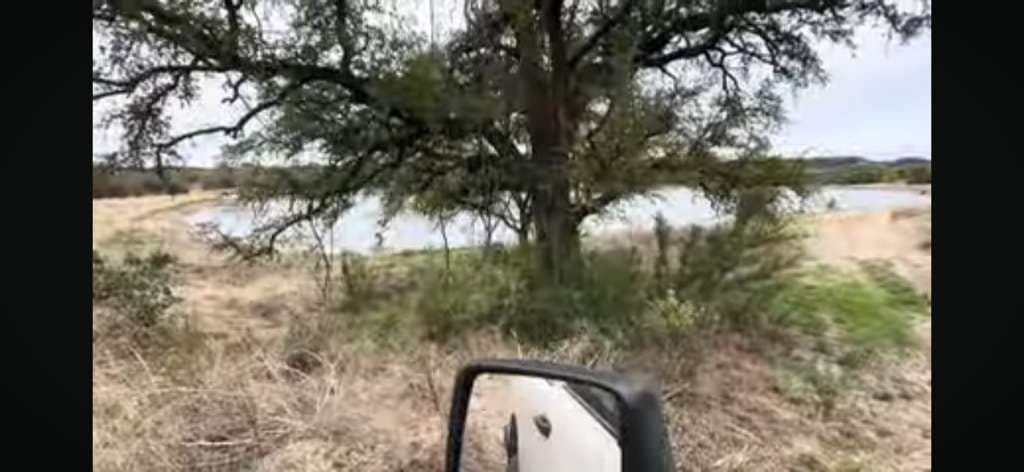
Oak wilt is one of the most destructive tree diseases affecting live oaks across Texas, and on ranch properties, the impact is even more significant. Mature live oaks are not only valuable landscape assets but also critical for livestock shade, soil stability, and long-term land sustainability. In Bluffdale, Texas and throughout Erath County, oak wilt has created widespread tree loss, and without proper intervention, entire stands of trees can become postmortem within a short period of time.
The Science Behind Oak Wilt (Texas A&M, ISA, TCIA)
Oak wilt is caused by the fungal pathogen Bretziella fagacearum, which invades the xylem of the tree. The xylem is responsible for transporting water and nutrients from the roots to the canopy. Once the fungus enters this system, the tree responds by forming tyloses, which are blockages designed to stop the spread of the pathogen. However, this defensive response ultimately restricts water movement, causing rapid dehydration and death of the tree.
According to Texas A&M Forest Service, oak wilt is the most destructive vascular disease affecting oaks in Texas. ISA and TCIA both recognize that once the disease is established, proactive management is required to prevent widespread loss, particularly in live oak systems where root connections accelerate transmission.
Root Graft Transmission
The primary method of spread in live oak populations is through interconnected root systems. Live oaks naturally form root grafts with neighboring trees, allowing the fungus to move underground from one tree to another. Texas A&M reports that this underground transmission can spread at a rate of approximately 75 feet per year.
This is why ranch properties often experience clusters of dead trees rather than isolated incidents. Once one tree is infected, the entire group becomes vulnerable.
Sap-Feeding Beetle Transmission
Above ground, oak wilt spreads through sap-feeding nitidulid beetles. These beetles are attracted to fresh wounds and the fermenting odor produced by fungal mats on infected red oaks. When beetles carry spores to fresh cuts on healthy trees, new infection centers are created.
Properties with water sources such as ponds, rivers, or livestock tanks tend to have increased beetle activity, which raises the risk of transmission.
Why Ranch Properties Are High Risk
Ranch environments create ideal conditions for oak wilt spread due to the combination of water availability, mature tree populations, and interconnected root systems. Live oaks growing in close proximity often share root systems, making them highly susceptible to rapid underground transmission.
The loss of these trees has a direct impact on livestock operations. Without adequate canopy cover, cattle are exposed to increased heat stress, reduced grazing efficiency, and declining pasture conditions.
Tree Selection Strategy: Removal vs Preservation
One of the most critical components of oak wilt management is determining which trees should be removed and which should be preserved.
Smaller trees, particularly those around 8-inch caliper that are already infected, should be removed immediately. These trees act as infection sources and accelerate the spread of the disease through root systems.
Mature trees that provide significant shade and structural value should be preserved through preventative treatments. Protecting these trees is essential for maintaining the function and value of the property.
Trenching as a Containment Strategy
Trenching is one of the most effective methods for stopping underground spread. This process involves cutting through the soil to sever root connections between infected and healthy trees.
Texas A&M recommends trenching around infection centers to create a barrier that prevents the fungus from spreading further. This method is especially important in areas where multiple trees have already been affected.
Low-Volume Macro Infusion Treatment
The most effective preventative treatment for oak wilt is low-volume macro infusion using propiconazole, commonly known as Alamo.
This treatment is injected directly into the tree’s vascular system at the root flare. Once inside the xylem, the fungicide moves throughout the tree, providing systemic protection against fungal colonization.
Texas A&M, ISA, and Texas Oak Wilt Qualified protocols all recognize propiconazole as the most effective tool available for protecting high-value live oaks.
Why Timing Matters
Preventative treatments must be applied before infection occurs or early in exposure. Once the disease becomes established, treatment options are limited and often unsuccessful.
This is why proactive management is critical, especially in areas with known oak wilt presence.
Integrated Oak Wilt Management Plan
A complete oak wilt management program includes removal of infected trees, trenching where necessary, preventative macro infusions, wound management, and ongoing monitoring.
Each component plays a role in slowing the spread and protecting remaining trees. ISA and TCIA guidelines emphasize that successful management requires a combination of these strategies rather than relying on a single treatment method.
Conclusion
Oak wilt continues to devastate ranch properties across Texas, particularly in areas like Bluffdale where environmental conditions and tree density increase transmission risk.
Without intervention, the disease can spread rapidly, resulting in extensive tree loss. With proper management, including trenching, removal of infected trees, and low-volume macro infusions, there is a strong opportunity to preserve mature live oaks and maintain the long-term health of the property.
For general tree-care best practices, homeowners can also reference guidance from the Texas A&M Forest Service, https://tfsweb.tamu.edu/trees/, a trusted authority on Texas tree health.
Taking action early is the most effective way to protect both the landscape and the operation as a whole.
Schedule a professional inspection. Early detection and scientific intervention are the difference between preservation and loss. If you’d like to speak to an arborist, please call us at 817-880-6130 or visit https://www.arboristusa.com/