 4.9 (349 Reviews)
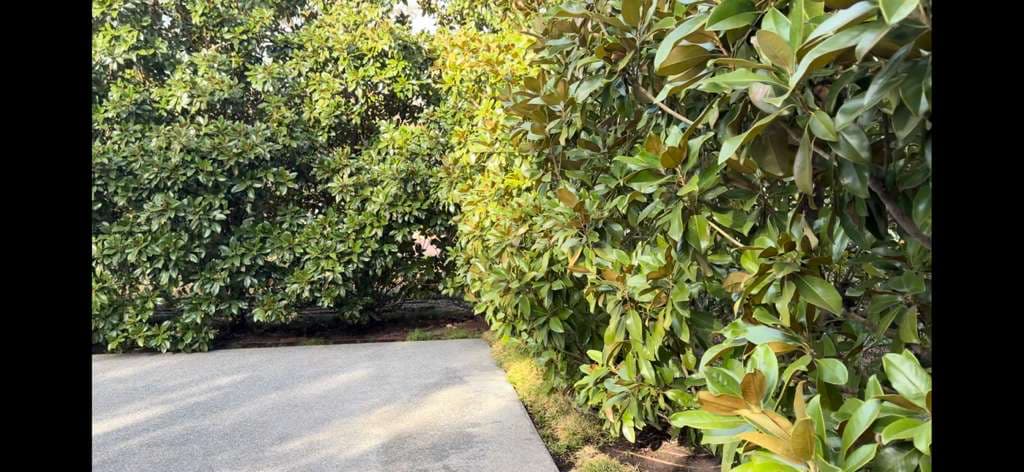
Understanding Southern Magnolia Biology in North Texas
How to keep Southern Magnolias healthy in Fort Worth, Texas. Southern magnolia (Magnolia grandiflora) is a broadleaf evergreen native to the southeastern United States that adapts well to North Texas landscapes when properly managed. While magnolias are resilient trees, they are particularly sensitive to root-zone stress, soil conditions, freeze events, and chemical exposure.
In urban and suburban environments such as Fort Worth, magnolias often experience compaction, reflected heat, and disturbed soil profiles that differ significantly from their native forest conditions. Long-term health depends on maintaining proper soil biology and protecting the root system.
Exposed Root Systems and Sun-Related Desiccation
Why Magnolias Do Not Tolerate Exposed Roots
Southern magnolias produce a shallow, fibrous root system that relies on consistent soil moisture and moderated temperatures. When surface roots are exposed to direct sunlight—especially western afternoon sun—root tissue can desiccate, impairing respiration and nutrient uptake.
Root desiccation reduces oxygen exchange in the rhizosphere and disrupts the tree’s ability to absorb water and minerals effectively. Over time, this stress leads to thinning canopies, reduced vigor, and increased susceptibility to pests and disease.
Proper Mulching Practices
This issue can be corrected with proper mulching. Texas A&M AgriLife Extension recommend applying 2–3 inches of organic mulch over the root zone while maintaining a minimum 12-inch clearance from the root flare.
Correct mulch placement:
• Moderates soil temperature
• Retains soil moisture
• Protects surface roots
• Encourages beneficial microbial activity
Mulch should never be piled against the trunk, as this can create decay conditions and restrict gas exchange.
Freeze Damage and Magnolia Recovery
Impact of the 2021 Freeze
The February 2021 freeze had a significant impact on magnolias across North Texas. Extended subfreezing temperatures caused cellular injury in leaf and cambial tissue, leading to defoliation and canopy thinning in many cases.
Despite this damage, magnolias demonstrated strong recovery when stress was managed properly and growth was not forced.
Supporting Recovery Without High Nitrogen
In the cases discussed, recovery was achieved using dried molasses and NutriRoot 2-2-3, without applying high nitrogen fertilizers. This approach supports soil biology, feeder root regeneration, and energy reserve rebuilding without stimulating excessive foliar growth.
High nitrogen inputs can force rapid shoot expansion before the tree has restored carbohydrate reserves, increasing long-term stress and structural weakness. Controlled, low-nitrogen soil support allows magnolias to rebound naturally.
Herbicide Sensitivity in Southern Magnolias
Southern magnolias are highly sensitive to herbicides, particularly glyphosate-based products. Herbicides applied near the root flare, critical root zone, or preservation root zone can cause root injury, canopy decline, and long-term physiological stress.
Even indirect exposure through drift or soil movement can negatively impact magnolias. Weed management around these trees should prioritize mechanical control and mulch rather than chemical applications.
Soil pH and Disease Pressure
pH Imbalance and Anthracnose Risk
Soil pH plays a critical role in nutrient availability and disease resistance. Improper pH can limit uptake of key micronutrients, weakening leaf tissue and increasing susceptibility to anthracnose and other foliar diseases.
Regular soil testing allows for targeted amendments that maintain balanced chemistry and reduce disease pressure without unnecessary treatments.
Professional Magnolia Care in Fort Worth, Texas
Southern magnolias thrive in Fort Worth when root systems are protected, soil biology is supported, and chemical inputs are carefully managed. Most decline issues are environmental and cultural, not structural.
Long-term health depends on:
• Root-zone protection
• Proper mulch management
• Conservative nutrient strategies
• Herbicide avoidance
• Soil monitoring
For general tree-care best practices, homeowners can also reference guidance from the Texas A&M Forest Service, https://tfsweb.tamu.edu/trees/, a trusted authority on Texas tree health.
Schedule a professional inspection. Early detection and scientific intervention are the difference between preservation and loss. If you’d like to speak to an arborist, please call us at 817-880-6130 or visit https://www.arboristusa.com/