 4.9 (349 Reviews)

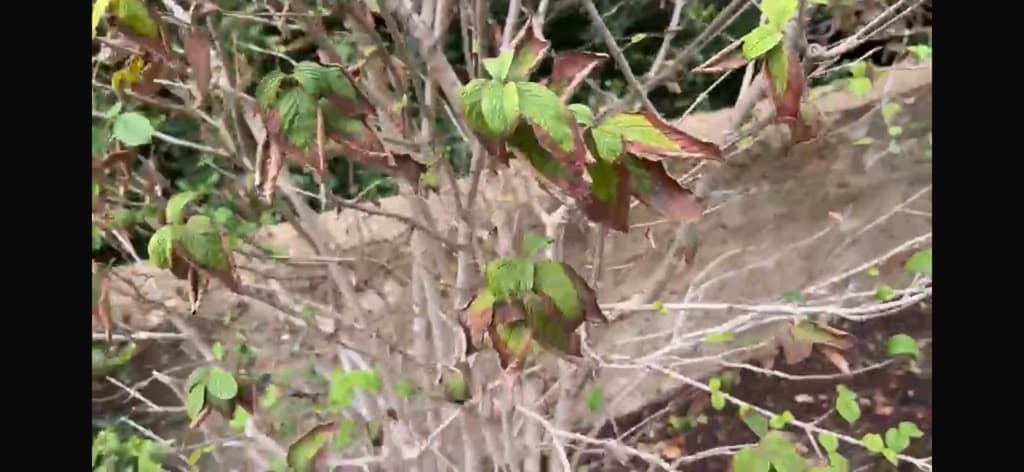
Today, we’re here in Westover Hills, Texas, evaluating pine trees exhibiting yellowing needles, brown necrotic foliage, and signs of environmental stress following the extreme summer heat and drought conditions experienced throughout North Texas.
I was called out to inspect these trees because the homeowner was concerned about the significant discoloration developing throughout portions of the canopy.
At first glance, yellowing and browning pine needles can create the impression that a tree is developing a serious fungal disease or insect infestation.
However, not every tree exhibiting yellow or brown foliage is suffering from a pathological condition.
Sometimes, the most significant contributing factor is the environment itself.
During my inspection, I noticed something particularly encouraging.
Although portions of the older needles were yellowing and becoming necrotic, the terminal growth remained green and appeared healthy.
This is an important observation because it suggests that the trees are continuing to maintain physiological activity within their growing shoots.
Based on the visible symptoms and recent environmental conditions, my preliminary assessment is that these pine trees are exhibiting stress consistent with prolonged heat and drought exposure.
Our objective is to support recovery without introducing unnecessary chemical treatments.
⸻
Why Are Pine Tree Needles Turning Yellow in Westover Hills, Texas?
Pine trees are evergreen conifers, but evergreen does not mean that every needle remains alive indefinitely.
Pines naturally retain their needles for a limited number of growing seasons before older needles are shed.
Depending on the species, needle retention commonly ranges from approximately two to five years.
However, environmental stress can accelerate needle discoloration and shedding.
Extreme Summer Heat and Drought Stress
During the summer of 2026, North Texas experienced periods of intense heat and prolonged dry conditions.
These environmental challenges can place substantial physiological demands on mature pine trees.
When soil moisture becomes limited, the root system may struggle to replace water lost through transpiration.
As water availability declines, the tree begins adjusting its physiological processes to conserve moisture.
These adjustments can include reduced stomatal opening, lower photosynthetic activity, and accelerated shedding of older needles.
Why Older Pine Needles May Turn Yellow First
Older needles generally contribute less to future growth than newly developing foliage.
When a pine tree experiences environmental stress, older needles may senesce and shed earlier than normal.
This can help reduce the total amount of foliage requiring water.
The result may be noticeable yellowing or browning within the interior portions of the canopy.
When discoloration is concentrated in older interior needles while terminal shoots remain healthy, environmental stress or normal seasonal needle shedding becomes an important consideration.
However, this pattern alone does not eliminate the possibility of disease or insect activity.
⸻
Understanding Evapotranspiration and Pine Tree Water Stress
One of the most important concepts I explain to homeowners is evapotranspiration.
Evapotranspiration describes the combined movement of water from soil through evaporation and from plants through transpiration.
How Water Moves Through a Pine Tree
Pine trees absorb water through their root systems.
Water moves upward through the xylem, the vascular tissue responsible for transporting water and dissolved mineral nutrients.
Eventually, water exits the needles as vapor through microscopic openings called stomata.
This process is called transpiration.
Transpiration is essential for normal plant function, but it also creates substantial water demand.
How Low Humidity Increases Water Loss
During periods of high temperatures and low relative humidity, atmospheric demand for moisture increases.
Scientists describe this relationship using a measurement called vapor pressure deficit (VPD).
As VPD increases, the atmosphere creates a stronger gradient for water vapor to move out of the foliage.
When soil moisture is insufficient to replace that water loss, the tree experiences increasing hydraulic stress.
Pine trees can respond by partially closing their stomata.
Although this helps conserve water, it also restricts carbon dioxide uptake and reduces photosynthesis.
How Drought Stress Causes Needle Necrosis
When water stress becomes severe or prolonged, needle tissues may experience cellular dehydration.
If the damage exceeds the tissue’s ability to recover, cells die.
This produces necrosis, which appears as brown or discolored needle tissue.
Once needle tissue becomes necrotic, it cannot return to its original healthy green condition.
However, the tree may continue producing healthy new foliage if its growing points and root system remain functional.
⸻
Why Healthy Terminal Growth Is an Encouraging Sign
During my inspection in Westover Hills, one of the most important observations was the condition of the terminal growth.
The terminal shoots appeared green and healthy despite discoloration affecting portions of the older foliage.
[H3] What Is Terminal Growth?
Terminal growth refers to the developing shoots located near the ends of branches.
These shoots contain growing points responsible for producing new stem growth and foliage.
When terminal shoots remain healthy, it suggests that the tree continues supporting growth in those portions of the canopy.
What Healthy Terminal Growth Tells an Arborist
Healthy terminal growth is encouraging because it indicates that at least portions of the tree’s vascular system remain functional.
It also suggests that the tree may retain sufficient physiological resources to support continued growth.
However, healthy terminal growth does not automatically establish that the entire tree is free of disease or insect pressure.
An arborist must evaluate additional factors, including needle discoloration patterns, bark condition, branch dieback, root-zone moisture, and evidence of pest activity.
In this particular evaluation, the healthy terminal growth was one of the reasons I was cautiously optimistic about the trees’ recovery.
⸻
Could Pine Engraver Beetles Be Responsible for Yellowing Needles?
Pine engraver beetles belong to the genus Ips.
These bark beetles can colonize stressed pine trees, particularly following drought, storm damage, or other environmental disturbances.
Understanding Ips Pine Engraver Beetles
Pine engraver beetles reproduce beneath the bark.
Their feeding and gallery construction can damage living tissues responsible for transporting carbohydrates.
Severe infestations may contribute to branch dieback and tree mortality.
Signs that warrant further investigation include:
- Small entrance holes in the bark.
- Boring dust or frass.
- Pitch tubes, depending on the species and infestation conditions.
- Galleries beneath the bark.
- Progressive branch or crown discoloration.
- Sudden canopy decline.
What I Observed During This Inspection
During my evaluation, I did not identify visible evidence sufficient to diagnose an active pine engraver beetle infestation.
The healthy terminal growth and pattern of needle discoloration were more consistent with environmental stress.
For that reason, I do not recommend automatically applying insecticides.
If additional symptoms develop, further inspection may be necessary.
⸻
Why We Are Not Applying Aggressive Fungicide Treatments
One of the most important principles of professional Plant Healthcare is identifying the underlying problem before selecting a treatment.
Yellowing pine needles do not automatically indicate fungal disease.
Environmental stress, normal needle senescence, nutrient imbalance, root dysfunction, and insect activity can produce overlapping symptoms.
Fungicides Cannot Reverse Drought Damage
Fungicides are designed to manage susceptible fungal pathogens.
They cannot restore needle tissues that have died from dehydration.
Applying fungicides without identifying a treatable fungal condition may increase costs without addressing the underlying cause.
In this case, I did not observe sufficient evidence to justify an aggressive fungicide program.
Our approach will focus on root-zone support, soil biology, appropriate nutritional management, and continued monitoring.
⸻
Arborist USA Plant Healthcare Treatment Plan for Drought-Stressed Pine Trees
Based on the findings from this Westover Hills evaluation, I recommend a conservative Plant Healthcare program.
Our objective is to support healthy root function, maintain appropriate nutrient availability, and encourage gradual physiological recovery.
We are not attempting to force excessive new growth.
Instead, we want the trees to stabilize following the environmental challenges they experienced.
Treatment 1 — Microbial Booster and Carbohydrate Support
Healthy soil contains a complex biological community of bacteria, fungi, and other microorganisms.
These organisms participate in organic-matter decomposition and nutrient cycling.
I recommend incorporating a microbial-support program using appropriate carbon-based amendments.
Long-chain carbohydrate materials may provide carbon substrates for certain soil microorganisms.
However, soil-applied carbohydrates do not directly replace the sugars produced by the tree through photosynthesis.
The objective is to support favorable soil biological conditions.
Treatment 2 — Micronutrient Support
Micronutrients are essential for normal plant metabolism.
Elements such as iron, manganese, zinc, and copper participate in enzyme activity, chlorophyll production, and other physiological processes.
Where deficiencies or restricted nutrient availability are identified, appropriate micronutrient supplementation may be beneficial.
For these pine trees, I recommend a conservative nutritional approach.
We do not want to stimulate excessive new shoot growth while the trees are recovering from drought stress.
Base applications on actual nutrient requirements, and avoid unnecessary fertilizer salts.
Treatment 3 — Root-System Stimulation
The health of a pine tree’s crown depends heavily on the condition of its root system.
Fine absorbing roots are responsible for much of the tree’s water and mineral nutrient uptake.
During prolonged drought, these roots may experience dehydration and functional decline.
Our treatment program will focus on maintaining favorable root-zone conditions and supporting natural root recovery.
Adequate soil moisture and oxygen availability remain essential.
Treatment 4 — Seaweed Carbon for Root-Zone Support
Seaweed-derived carbon products may be incorporated into the soil-conditioning program.
These products contain organic compounds that may influence soil biological activity and nutrient availability.
The objective is to complement appropriate root-zone management.
However, seaweed-derived products are not substitutes for adequate irrigation or correction of unfavorable soil conditions.
Product composition and application rates must be evaluated carefully.
⸻
Proper Irrigation Is Essential for Pine Tree Recovery
Even the best Plant Healthcare program cannot compensate for prolonged water deprivation.
Pine trees require adequate soil moisture to maintain healthy root function.
Deep Watering Versus Frequent Shallow Watering
During extended drought, supplemental irrigation should provide moisture to the functional root zone.
Frequent shallow watering may not adequately replenish moisture in deeper portions of the rooting area.
However, irrigation must be adjusted according to soil type, drainage, weather conditions, and tree size.
Excessive irrigation can also create problems by reducing oxygen availability within saturated soils.
Why Soil Moisture Monitoring Matters
The objective is to maintain appropriate soil moisture without creating prolonged saturation.
Soil probes or moisture-monitoring equipment can help determine whether irrigation is reaching the functional root zone.
For mature trees, moisture should be evaluated at multiple locations beneath the canopy rather than relying exclusively on the irrigation schedule.
⸻
Will Yellow Pine Needles Turn Green Again?
This is one of the most common questions homeowners ask.
The answer depends on whether the needle tissue is still alive.
Needles experiencing temporary chlorosis may regain some green coloration if the underlying cause is corrected.
However, needles that have become completely necrotic will not recover.
Those needles will eventually be shed.
The important question is whether the tree retains healthy growing points capable of producing new foliage.
What Recovery May Look Like in 2027
If the trees maintain functional roots and healthy terminal shoots, they may produce additional foliage during the next growing season.
Recovery may become more noticeable during spring and summer 2027.
However, the amount of new growth will depend on the severity of previous stress and the condition of the remaining living tissues.
Our objective is to support gradual recovery rather than stimulate rapid, excessive growth.
⸻
When Should You Call a Certified Arborist for Yellowing Pine Trees?
Yellowing needles do not always indicate that a pine tree is dying.
However, certain symptoms warrant professional evaluation.
These include rapid discoloration of entire branches, progressive terminal shoot dieback, bark deterioration, evidence of boring insects, and substantial canopy thinning.
A qualified arborist can evaluate whether the symptoms are associated with environmental stress, normal seasonal shedding, insect activity, disease, or root-zone problems.
Early diagnosis helps prevent unnecessary treatments and allows corrective action before additional decline occurs.
⸻
Final Arborist Assessment — Pine Trees in Westover Hills, Texas
During this Westover Hills evaluation, the pine trees exhibited yellowing and necrotic needles following significant summer heat and drought stress.
However, the terminal growth remained green and appeared healthy.
I did not identify visible evidence sufficient to diagnose an active pine engraver beetle infestation or justify aggressive fungicide applications.
Based on these observations, my preliminary professional assessment is that environmental stress is a leading explanation for the observed needle discoloration.
Our treatment program will focus on microbial support, appropriate micronutrients, conservative root-zone stimulation, seaweed-derived carbon materials, and proper irrigation management.
We will continue monitoring the trees as they enter the 2027 growing season.
At Arborist USA, our goal is not simply to apply chemicals.
Our goal is to identify the underlying cause of tree decline and provide science-based treatments that support long-term tree health.
If your pine trees are developing yellow or brown needles in Westover Hills, Fort Worth, or surrounding North Texas communities, contact Arborist USA for a professional Plant Healthcare evaluation.
Arborist USA
Henry G Friar
ISA Certified Arborist® TX-270627A
TCIA Member #268065
Phone: 817-880-6130
Today, we’re in Westover Hills, Texas, evaluating pine trees that have experienced significant environmental stress following the extreme summer heat and prolonged drought conditions of 2026.
Understanding Heat Stress and Evapotranspiration
During prolonged periods of extreme heat and low humidity, pine trees experience increased atmospheric moisture demand.
This process is closely associated with evapotranspiration and vapor pressure deficit (VPD).
When the atmosphere demands more moisture than the root system can supply, the tree experiences hydraulic stress.
To conserve water, pine trees may close their stomata, reducing photosynthesis and carbohydrate production.
Under severe conditions, older needles can become dehydrated, turn yellow or brown, and eventually fall from the tree.