by Arborist USA | Mar 18, 2026 | Tree Service
Why Aeration and Grass Removal Matter Southern Live Oaks (Quercus virginiana) are among the most resilient and valuable trees in North Texas landscapes. However, even these strong trees can decline when the root environment is compromised, especially in areas like...

by Arborist USA | Mar 12, 2026 | Tree Service
Root Rot, Entomosporium Leaf Spot, and Environmental Stress Red tip photinia (Photinia × fraseri) is widely planted in North Texas for screening and ornamental color, but it can decline quickly when root-zone conditions stay wet and foliage remains frequently...

by Arborist USA | Mar 10, 2026 | Tree Service
In Westover Hills, Fort Worth, Texas, we recently began implementing a large-scale plant healthcare program covering approximately 700 trees across a private landscape. Managing trees at this scale requires a proactive strategy focused on two essential components of...

by Arborist USA | Mar 4, 2026 | Tree Service
Spider Mites, Diplodia Fungus, and Root Hypoxia In Mansfield, Texas, several landscape junipers were recently evaluated after showing signs of rapid canopy decline. These evergreen conifers exhibited widespread bronzing, wilting, and necrosis progressing from the...
by Arborist USA | Feb 27, 2026 | Tree Service
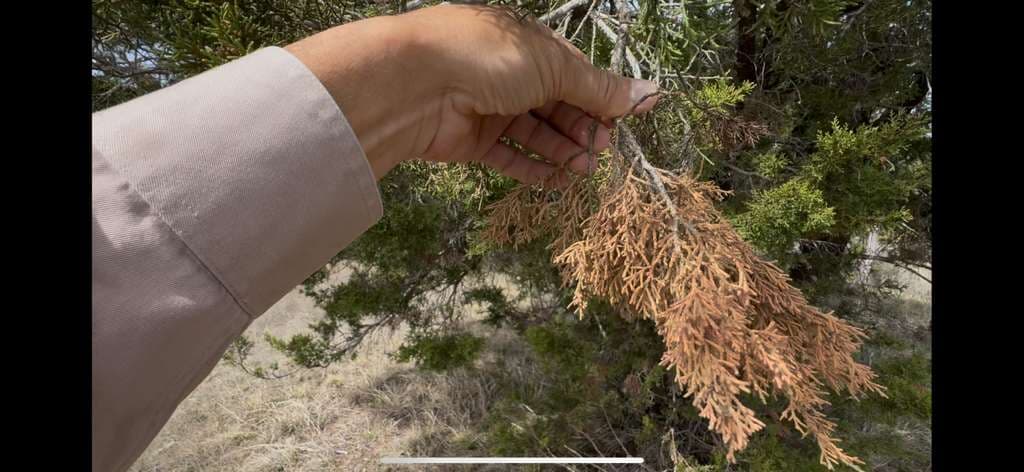
Red Mountain Cedar (Juniperus pinchotii) is a native conifer species common throughout Parker County and much of North Texas. While drought tolerant and well adapted to limestone soils, this species is highly susceptible to root stress and secondary pathogens when...
by Arborist USA | Feb 27, 2026 | Tree Service |
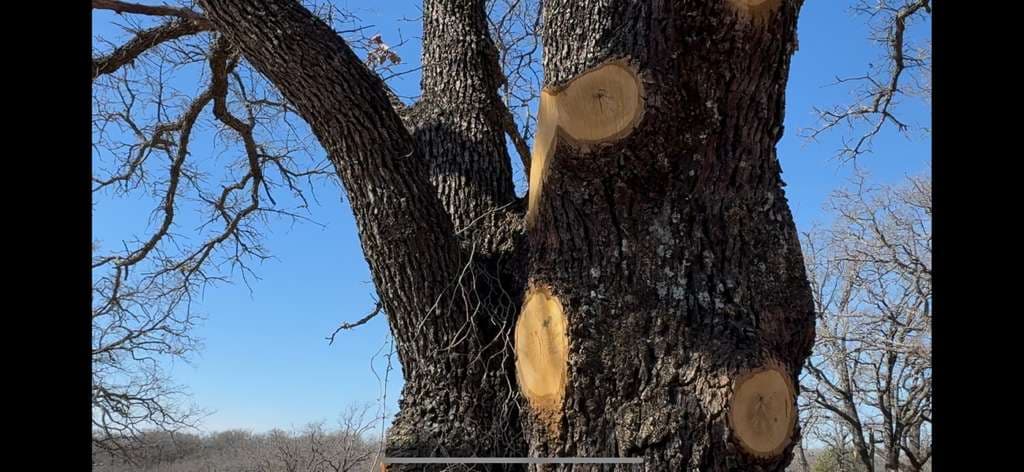
In Santo, Texas, I recently evaluated multiple native Post Oaks (Quercus stellata) that had been severely damaged by improper pruning practices. The cuts observed were flush cuts driven deep into the trunk, completely removing the branch collar and branch bark ridge....
 4.9 (349 Reviews)